

In an era filled with new technologies, where everything from groceries to gadgets is paid for with a tap or swipe, digital and cashless payments have become the backbone of modern ecommerce. Customers don’t just prefer convenience anymore; they expect it. They expect a speedy checkout process, safe and secure payments, and no friction in their buying journey.
This is where credit card processing comes into the picture. It makes every smooth transaction possible, ensuring money moves safely and instantly between customers and businesses.
Having an understanding of how credit card processing works isn’t just a technical detail; it’s a business necessity. No matter whether you’re a retailer, an online seller, or a service provider, knowing this process can help you offer better experiences, build trust, and keep your revenue flowing seamlessly.
This blog post will help you understand all about credit card processing, how it works, types of credit card processing methods, how to select the right credit card processor, and benefits of credit card processing.
What Is Credit Card Processing?
It is a system that enables businesses to accept credit card payments and money from their customers. It facilitates easy and secure transactions, broadens the payment options available to customers, and plays a significant role in increasing sales.
Digital and cashless payments now power most of today’s shopping, whether customers pay in-store through point-of-sale (POS) terminals or online via payment gateways.
People expect every transaction to be fast, secure, and hassle-free. Credit card processing enables this by securely transferring money between the customer and the business. Understanding how it works helps retailers improve payment reliability, security, and customer satisfaction.
How Credit Card Processing Works: Step-by-Step
Let’s know each process involved in the credit card processing and know how it works:
Step 1: Payment Initiation: The cardholder provides the required card details to the business for payment purposes. For online transactions, it means entering the credit card details manually or selecting a card from the stored payment method. For an in-person transaction, it means inserting, tapping, or swiping their card.
Step 2: Authorization: The credit card processor forwards the transaction data to the suitable card network, which then redirects the authorization request to the issuing bank.
Step 3: Authentication (For Online Payments): Once the card network receives the transaction request, it identifies the issuing bank, and then transaction details are forwarded to that respective bank.
Step 4: Clearing: The payment cycle is concluded by submitting several important process batches of submitted transactions throughout the clearing stage.
Step 5: Settlement: At the end of the day, the business submits the batch comprising approved transactions to the card processor for the settlement.
Step 6: Fund Deposit: The funds get deposited into the merchant’s bank account by deducting processing fees from it. The issuing bank charges the cardholder for the purchase on their next statement.
What Are the Different Types of Credit Card Processing Methods?
There are different kinds of credit card processing methods; let’s discuss them briefly.
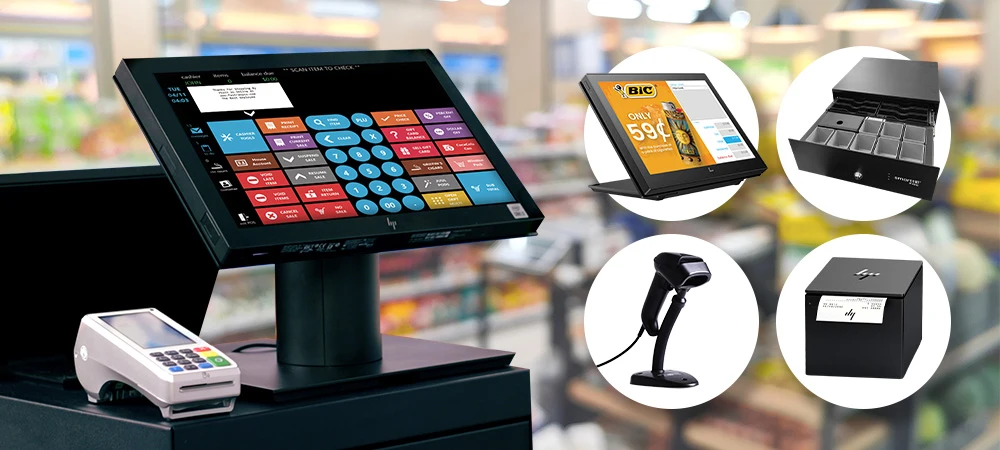
- In-Store Processing: The customer presents their credit card to a physical POS terminal. The card can either be swiped, the Europay, Mastercard, and Visa (EMV) chip can be inserted, or the card can be tapped for a contactless payment. It requires a physical POS terminal or a credit card reader, which is connected to a register.
- Online Processing: The customer enters their credit card information directly into a secure online form on an app or website. It is facilitated by a payment gateway, which encrypts the card data and transmits the data to the payment processor for authorization.
- Mobile Credit Card Processing: It allows for transactions to be processed on the go. A mobile device is connected to a card reader. This setup is used by businesses that don’t have a physical store or by merchants at pop-up events.
Credit Card Security: How Processors Keep Transactions Safe
Credit card processors follow certain safety measures to keep transactions safe and secure. Credit card security is a pivotal part of modern payment processing. It ensures that every transaction is protected from fraud and unauthorized access.
Let’s discuss safety measures used by credit card processors for credit card security:
- PCI DSS Compliance: It is a set of security guidelines that all businesses that handle cardholder data should follow to maintain a secure environment for credit card processing.
- Encryption: It converts sensitive data into an unreadable format (ciphertext) when transmitted. This can only be decoded using the correct key. Transport Layer Security (TLS) and Secure Sockets Layer (SSL) are safety protocols used to create secure connections for online transactions.
- Tokenization: It replaces sensitive card information like card numbers along with a unique randomly generated token. This token is useful for processing, and the actual card data is stored securely in a vault, which makes it useless to fraudsters even if it gets intercepted.
- Fraud Detection Tools: Modern fraud detection tools use AI and machine learning to analyze a customer’s spending patterns, location, and other data to identify and block suspicious transactions in real-time.
How to Choose the Best Suitable Credit Card Processor
Selecting the best credit card payment processor helps your business provide fast, secure, and cost-effective payments. The ideal processor should offer competitive rates, reliable customer support, smooth integration with your POS or ecommerce systems, and strong security features.
Let’s learn about some of the vital things to consider for selecting the right credit card processor:
- Compare Processing Rates: By comparing processing rates of credit card processors, you will have an idea about the bifurcation of rates. Know what you are paying for so you can select the processor with the lowest possible rates.
- Equipment & Integration Needs: Before you choose a credit card processor, ensure compatibility with your existing POS system, ecommerce platform, and payment hardware. Some processors need proprietary devices, while others integrate smoothly with third-party systems.
Select a processor with flexible credit card integration to ensure seamless operations across online and in-store channels. It reduces setup costs and simplifies the training of employees.
- Settlement Times & Payout Speed: The speed at which funds are settled and deposited into your bank account affects the cash flow of your business. Different processors offer varying payout times from same-day settlement to 2-3 business days.
Speedy payout helps you manage routine expenses and maintain hassle-free operations. Select a processor that offers reliable and predictable deposit schedules.
- Security & Compliance Support: Security is a vital factor to consider for debit and credit card processing for small business or any size of business.
Ensure that the processing solution is PCI compliant—meaning it meets the Payment Card Industry Data Security Standard (PCI DSS) for protecting cardholder information. Look for safeguards like tokenization, encryption, and built-in fraud detection tools. These security measures help keep sensitive payment data safe for both your customers and your business.
- Customer Support: Opt for companies that offer readily available customer support that is helpful and easily accessible. Ensure that the support is available around the clock. Also, ask about ways you can communicate with the customer team, whether through phone, online, or text.
- Scalability: Choose a payment processor that can grow with your business. As you add new locations, expand into new markets, introduce more products, or adopt new payment methods, your processing system should be able to handle higher transaction volumes without slowing down or requiring major upgrades.
Benefits of Integrated Credit Card Processing with a POS System
Integrated credit card processing with a POS system streamlines payment, syncs transactions instantly, and reduces manual errors. It improves efficiency and accuracy and creates a hassle-free checkout experience for both customers and businesses.
Below are 5 benefits of considering credit card processing integration with a POS system:
- Auto-Sync Transaction Data: Sales and inventory data gets automatically
synced in real-time, which provides accurate and up-to-date information.
- Real-Time Reporting: It provides instant insights into transactions and sales, which helps businesses make quick and informed decisions.
- Speedy Checkout: It speeds up the payment process, which leads to a more smooth and convenient experience for customers.
- Reduced Errors: It reduces errors in data entry, which leads to a more accurate financial record.
- Better Customer Experience: The speedy checkout process and secure and hassle-free payments make the whole buying process easy for customers.
- Improved Inventory Accuracy: Automatically updates stock with every sale, reducing the chances of errors, and helping maintain the right inventory levels.
- Simple Reconciliation: Simplifies reconciliation and offers a single point of contact to report technical support issues.
The Key Takeaway
Credit card processing powers today’s fast, secure, and convenient payment experiences for both in-store and online environments. With the right processor or an integrated POS system, businesses can reduce fees and fraud and automate daily operations with ease. As trends like contactless payments, tokenization, and mobile wallets continue to grow, choosing a future-ready payment solution is more important than ever.



Sign in to leave a comment.