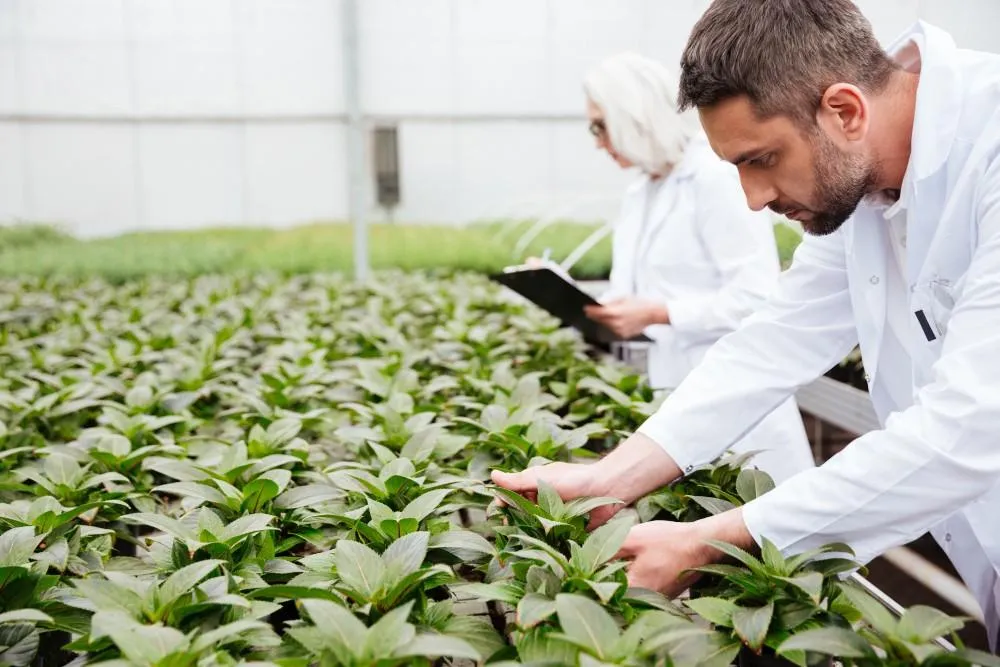

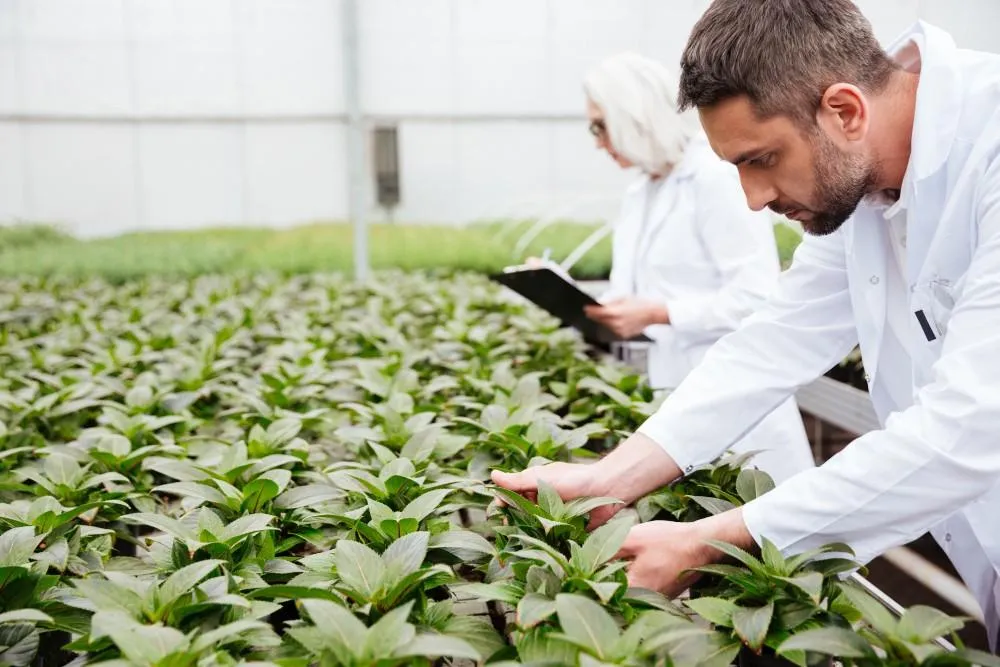
Agriculture is not only about planting seeds and waiting for a harvest. Every crop needs the right support at the right time, from soil preparation and planting to nutrition, pest control, irrigation, machinery, and harvesting. This is where crop solutions play an important role.
Crop solutions are specially designed products, services, technologies, and advisory support that help farmers grow healthier crops, improve productivity, reduce crop losses, and achieve better results from their land. Instead of using a one-size-fits-all approach, modern agriculture focuses on solutions that match the needs of each crop, soil type, climate condition, and farming method.
For farmers, this means better decision-making. For the agriculture sector, it means improved food production, stronger crop performance, and more sustainable farming practices.
Understanding Crop Solutions in Agriculture
A crop solution is a complete approach to supporting crop cultivation. It may include seeds, fertilisers, crop protection products, machinery, irrigation systems, plant nutrition, advisory services, and modern agricultural technologies.
The purpose of a crop solution is to help farmers manage the full crop cycle more effectively. This includes preparing the land, selecting suitable seeds or planting materials, improving soil fertility, protecting crops from pests and diseases, managing water, and supporting harvesting activities.
Different crops have different requirements. Paddy, tea, coconut, vegetables, fruits, and field crops cannot be managed in exactly the same way. Each crop has its own growth pattern, nutrient needs, pest risks, disease challenges, and harvesting practices. That is why crop-specific solutions are important in modern agriculture.
Why Crop Solutions Matter for Farmers

Farmers face many challenges today. Weather changes, pest attacks, disease outbreaks, rising input costs, labour shortages, soil issues, and market pressure can all affect crop performance. Without the right support, these challenges can reduce yield and profitability.
Crop solutions help farmers overcome these problems by giving them access to suitable agricultural inputs and practical guidance. When farmers use the right solution at the right stage, they can improve crop health, reduce waste, and increase the quality of the final harvest.
For example, a farmer may need quality seeds at the beginning of the season, fertiliser during the growth stage, crop protection products when pests appear, and machinery during land preparation or harvesting. A proper crop solution connects all these needs into one organised cultivation approach.
Key Components of Crop Solutions
Crop solutions usually include several important areas. One of the main components is seeds and planting material. Good-quality seeds are the foundation of a successful crop because they directly influence germination, crop strength, and yield potential.
Another key area is crop nutrition. Crops need the right nutrients to grow properly. Fertilisers and plant nutrition products help improve growth, root development, flowering, fruiting, and overall crop performance.
Crop protection is also essential. Farmers need to protect crops from insects, weeds, fungi, and diseases. Effective crop protection helps reduce damage and supports healthier harvests.
Agri mechanisation is another valuable part of crop solutions. Tractors, transplanters, sprayers, and harvesters can help farmers save time, reduce labour pressure, and improve efficiency.
In addition, advisory support and agricultural knowledge are important. Farmers benefit when they understand how and when to use each solution correctly.
Crop Solutions for Plantation Agriculture
Plantation crops require long-term planning and specialised care. Crops such as tea, rubber, coconut, king coconut, and sugar cane need solutions that support sustained productivity over many years.
A Plantation Crop solution focuses on the specific needs of plantation cultivators. This may include plant nutrition, pest and disease management, soil improvement, crop maintenance, and productivity support.
Plantation agriculture is different from short-term crop cultivation because the plants remain in the field for a long period. Therefore, maintaining plant health, soil quality, and consistent yield becomes extremely important. The right solution can help plantation growers improve crop strength, manage risks, and protect long-term investment.
Crop Solutions for Paddy and Rice Cultivation
Paddy is one of the most important crops in Sri Lanka, and successful rice cultivation requires careful planning from land preparation to harvesting. Farmers need support with seed paddy, fertiliser, crop protection, water management, and machinery.
A Paddy/ Rice Crop solution helps rice farmers manage the complete cultivation process more effectively. It supports important stages such as seed selection, field preparation, crop establishment, pest and weed control, nutrition management, and harvesting.
Rice cultivation is highly sensitive to timing. If fertiliser, water, or crop protection is applied too late or incorrectly, the final yield can be affected. That is why a crop-specific approach is valuable for paddy farmers. It helps them make better choices at each stage of the season.
How Crop Solutions Improve Productivity
Crop productivity depends on many connected factors. A farmer may have good land, but poor seed quality can reduce results. Another farmer may use good seeds, but without proper nutrition or pest control, the crop may still underperform.
Crop solutions improve productivity by connecting all these factors. They help farmers use the right inputs, apply them correctly, and manage the crop with a clearer plan.
This can lead to stronger plant growth, better resistance to pests and diseases, improved yield quality, reduced losses, and better use of time and resources. In the long term, this approach also supports more efficient and sustainable agriculture.
The Role of Technology in Crop Solutions
Modern agriculture is becoming more technology-driven. Farmers are now using machinery, improved irrigation systems, advanced crop protection methods, better seed varieties, and data-based decision-making to improve results.
Technology helps farmers work faster, reduce manual labour, and manage larger areas more efficiently. It also helps improve accuracy in planting, spraying, fertilising, and harvesting.
When technology is combined with practical farming knowledge, crop solutions become even more powerful. Farmers can make smarter decisions and respond faster to changing field conditions.
Choosing the Right Crop Solution

The best crop solution depends on the crop type, location, soil condition, climate, farming method, and expected outcome. A solution that works well for paddy may not be suitable for tea or coconut. Similarly, vegetable cultivation may require a different approach from field crop cultivation.
Farmers should consider several factors before choosing a crop solution. These include the crop variety, soil fertility, pest history, water availability, seasonal conditions, labour availability, and market goals.
Working with a trusted agricultural solutions provider can help farmers identify the most suitable products and services for their specific needs.
Final Thoughts
Crop solutions are an essential part of modern agriculture. They help farmers move beyond traditional trial-and-error methods and adopt a more structured, crop-specific approach to cultivation.
From seeds and fertilisers to crop protection, machinery, irrigation, and advisory support, the right crop solutions can improve productivity, protect crop health, and support better farming outcomes.
For Sri Lankan agriculture, crop-specific solutions are especially important because different crops, regions, and growing conditions require different approaches. Whether it is paddy, plantation crops, vegetables, fruits, or field crops, using the right solution at the right time can make a major difference to the final harvest.



























Sign in to leave a comment.