
Aluminium's reputation for durability is well earned, but that doesn't mean it's entirely immune to wear over time. When aluminium is exposed to air and moisture, it naturally forms a thin layer of aluminium oxide on its surface. In small amounts, this layer is actually protective, but under the wrong conditions, particularly coastal salt air, pollution, or prolonged moisture exposure, that oxidation can build up, dull the finish, and in more severe cases, compromise the metal underneath.
Understanding how oxidation forms, when it needs addressing, and how to remove it properly is useful knowledge for anyone maintaining aluminium windows, doors, railings, or façades. This guide covers the basics of aluminium oxidation and the main approaches to cleaning it safely.
What Aluminium Oxidation Actually Is
Aluminium oxidation begins the moment the metal is exposed to oxygen, forming a thin layer of aluminium oxide on the surface. When this layer is thin, it's often barely visible. As it thickens, however, it tends to appear as a dull, whitish film, sometimes progressing to a powdery or flaky texture, and in more advanced cases, visible pitting or discolouration.
It's worth clarifying an important distinction here: aluminium oxidation is not rust. Rust is iron oxide, reddish-brown in colour, and specific to ferrous metals like steel. Aluminium oxide is a different compound entirely, typically appearing white, grey, or dull rather than the reddish tones associated with rusting steel.
Why the Oxide Layer Is Both a Blessing and a Problem
Initially, the oxide layer that forms on aluminium acts as a protective barrier, slowing further corrosion and contributing significantly to aluminium's reputation for durability and low maintenance. This is genuinely one of the material's biggest advantages over untreated steel or iron.
The complication is that aluminium oxide is porous. Over time, particularly in humid or coastal conditions, moisture can penetrate beneath this layer and allow further corrosion to develop underneath, even while the surface itself looks relatively unaffected. This is why periodic inspection and cleaning matter, even on a material as inherently corrosion-resistant as aluminium.
Why Removing Oxidation Matters
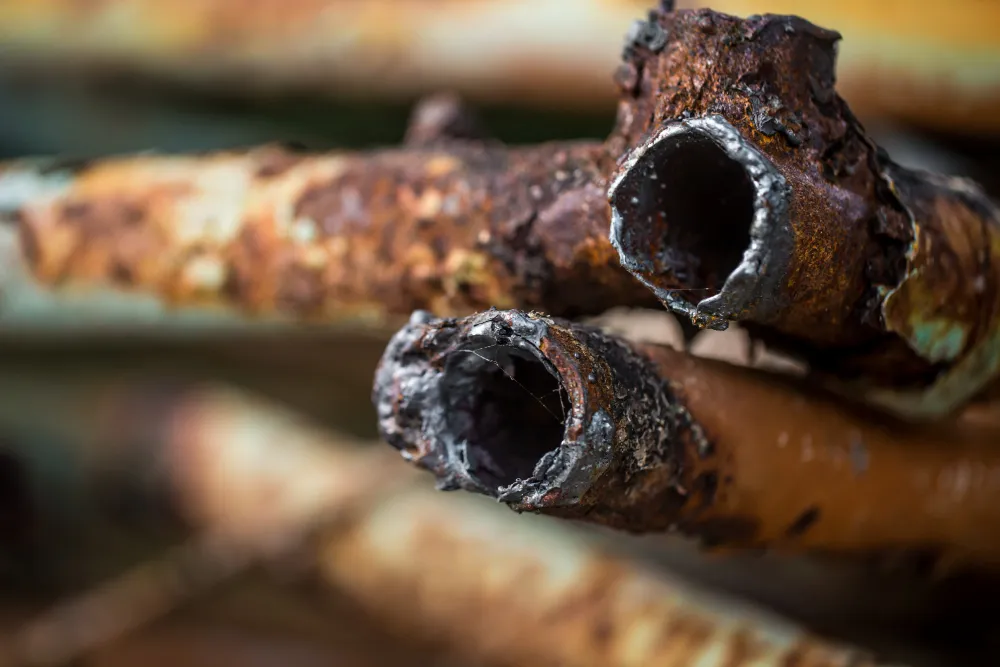
Addressing oxidation isn't purely a cosmetic concern, though the dulled, discoloured appearance it creates is certainly part of the motivation. Left untreated, oxidation can gradually weaken the metal and, in structural applications, contribute to pitting that affects long-term durability.
Oxidation also interferes with practical processes. If aluminium components need to be welded, refinished, or recoated, existing oxide layers need to be removed first, since oxidation reduces the surface contact needed for coatings, paints, or adhesives to bond properly. For window frames, door systems, and façade components in particular, maintaining a clean surface is what allows protective finishes to continue doing their job effectively.
Chemical Cleaning Methods
Chemical cleaning uses acidic or alkaline solutions to dissolve the oxide layer, and the right choice depends heavily on the severity of the oxidation involved.
Household acidic solutions, such as white vinegar, lemon juice, or a cream of tartar mixture, work well on light tarnish and surface-level oxidation. These are accessible, affordable, and gentle enough for routine maintenance cleaning, though they're not effective against more deeply embedded oxidation.
Alkaline solutions, like a simple baking soda and water mixture, aren't designed to remove oxide layers directly, but they're useful for clearing away grease, dirt, and grime before more targeted oxide removal begins.
Commercial-grade chemical cleaners, typically containing stronger acids, are generally reserved for more significant oxidation or larger-scale cleaning projects. These offer a more thorough clean than household remedies but require appropriate protective equipment and careful handling given the strength of the chemicals involved.
Whichever chemical method is used, thorough rinsing afterwards is essential to remove any residue and prevent it from accelerating future corrosion.
Mechanical Cleaning Methods
Mechanical abrasion physically removes the oxide layer through scrubbing, sanding, or blasting.
Fine-grit sandpaper, generally starting around 240-320 grit and working up to a much finer 800-1,000 grit, offers effective removal without chemicals, though it can be time-consuming over larger surface areas and carries some risk of surface damage if not handled carefully.
Abrasive pads, such as fine synthetic scouring pads, tend to be gentler than sandpaper and are well suited to lighter oxidation. It's important that any abrasive tool used is either aluminium or an inert material like plastic. Steel wool and steel brushes should be avoided, since they can embed tiny steel particles into the aluminium surface, triggering a separate corrosion problem known as galvanic corrosion.
Grit blasting is typically reserved for heavily corroded surfaces or larger-scale cleaning projects, using abrasive media to clean quickly and thoroughly, though it requires proper dust control and generates more disruption than gentler methods.
Choosing the Right Method for the Job
The severity of oxidation should guide which method is appropriate. Light surface tarnish generally responds well to a household acidic solution or a gentle abrasive pad. Moderate oxidation, showing signs of flaking or scaling, usually calls for more thorough sanding or a stronger chemical treatment. Severe corrosion, involving deep pitting or significant surface degradation, is best handled by professionals with access to appropriate industrial-grade equipment, since an overly aggressive DIY approach risks damaging the underlying metal rather than simply cleaning it.
For architectural and structural aluminium specifically, whether that's window frames, curtain wall systems, or door components, matching the cleaning method to the finish and grade of the material matters considerably. Well-specified aluminium products are engineered with particular finishes and coatings in mind, and using an overly aggressive cleaning method can strip or damage that finish rather than simply removing surface oxidation.
Protecting Aluminium After Cleaning
Once oxidation has been removed, protecting the surface from future build-up is just as important as the cleaning process itself. Thorough rinsing and drying immediately after cleaning helps prevent water spots and reduces the risk of fresh oxidation forming straight away.
For longer-term protection, applying or maintaining a proper protective finish makes a significant difference. This is precisely why powder coating has become such a popular finishing choice for architectural aluminium, since it creates a durable, weather-resistant barrier that significantly slows the rate at which new oxidation can form, while also offering a wide range of colour and finish options.
Routine Maintenance Prevents Bigger Problems
The most effective way to manage aluminium oxidation is through regular, light maintenance rather than waiting for a problem to become visible or severe. Periodically cleaning window frames, door systems, and other exposed aluminium components, particularly in coastal or high-humidity areas, prevents oxidation from ever reaching the point where more aggressive intervention becomes necessary.
This is particularly relevant for architectural aluminium exposed to constant weathering, salt air, or pollution, where a small amount of regular care goes a long way towards preserving both the appearance and the structural performance of the material over the building's lifetime.
Final Thoughts
Aluminium oxidation is a natural process, and in small amounts, it's actually part of what makes the material so durable and low-maintenance in the first place. Understanding when that oxidation has become a problem, and choosing the right chemical or mechanical method to address it, protects both the appearance and the long-term structural integrity of aluminium components. Combined with a proper protective finish and a routine maintenance habit, most oxidation issues can be kept firmly under control well before they become a costly problem.





























Sign in to leave a comment.