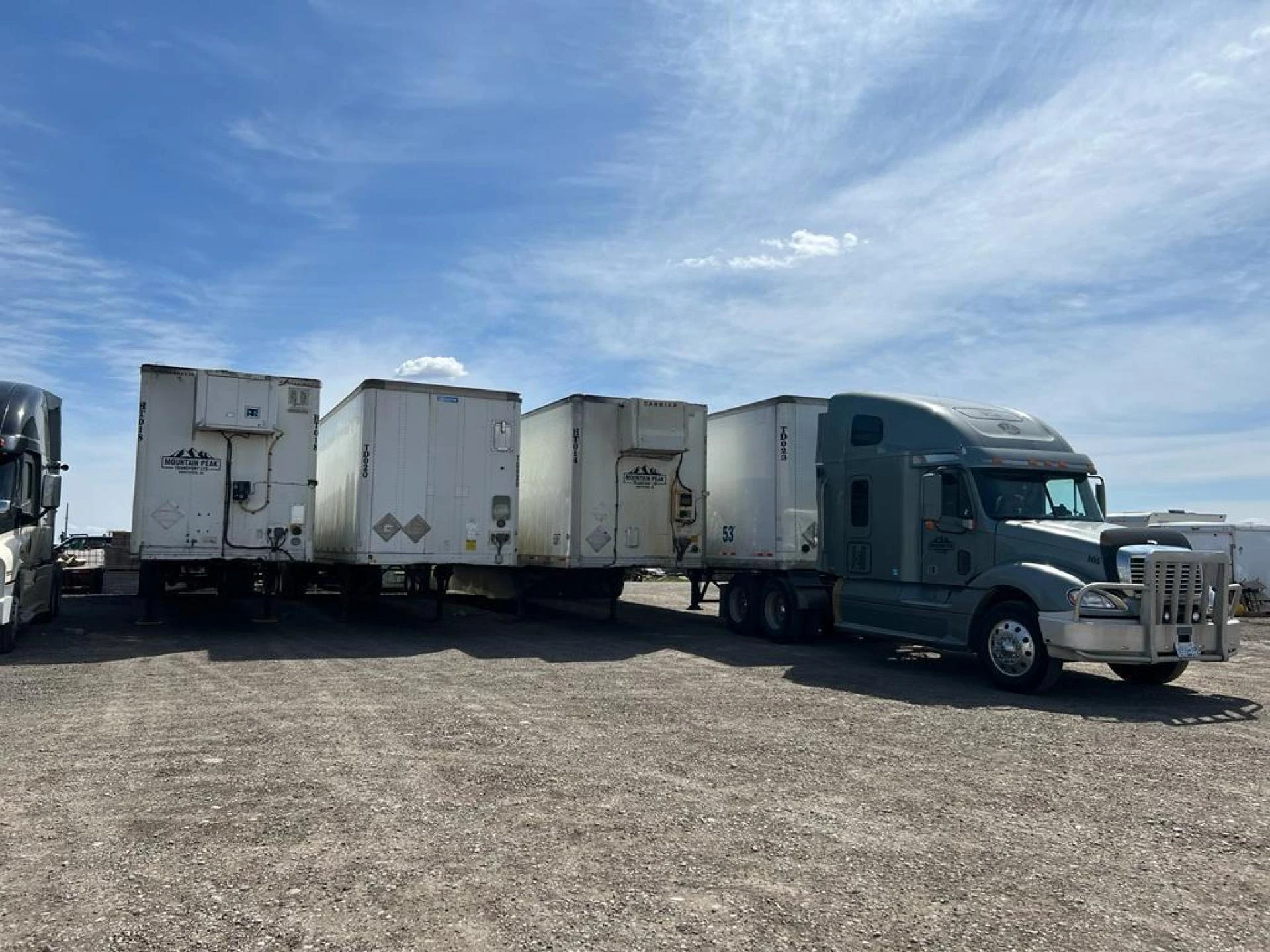

The supply chain industry's primary focus remains speed and efficiency. With more new e-commerce businesses opening every day, it is critical for logistics to keep up with the increasing order flow. Even though technological advancements have improved inventory efficiency, it still lags in many areas. Cross Dock Shipping is a type of freight movement in which raw materials, ingredients, or finished goods are delivered directly to the end user from the supplier or manufacturer. This results in little or no storage time. That is, the product will be delivered directly to the end user from the seller's hub, rather than being stored in a warehouse. Cross-docking is a transportation-optimized solution that provides a cost-effective solution for any company.
Why Is Cross-Docking Practiced?
Cross-docking is most commonly used for products that are always in high demand and thus shipped in large quantities. Cross-docking benefits fast-moving products by requiring significantly less storage time. Cross-docking has been shown to increase warehouse efficiency. Although it is not appropriate for all business models, it can be extremely transformative for some.
Cross-Docking Has Numerous Advantages For Businesses, Some Of Which Are Listed Below
Material handling is Quite simple
Material handling becomes much easier and more fluid. Cross-docking improves operational efficiency and productivity significantly. It also enables improved performance for in-motion labeling and weighing, label verification, destination scanning, and so on.
There is no need for a warehouse
Warehouses are frequently replaced by cross-dock offices, which are easier to construct and take up less space. It now provides variable and fixed resource cost investment funds for an organization. When using a 3PL for cross-docking, especially for a startup, the dedicated cross-dock distribution center is most often chosen.
Reduces the cost of packaging and storage
Inventory and storage costs are reduced significantly because the products are stored for significantly less time.
Cost savings on transportation and distribution
The trucks do not need to make multiple stops because all products are shipped to be dropped off at the endpoint. This reduces the overall cost of transportation. The trucks are completely loaded, and all of the products that are headed in the same direction are shipped together. Less fuel is wasted due to fewer miles driven, lowering total transport and distribution costs.
Product Screening That Works
Streamlining and automation at the terminals will allow products to be screened more efficiently, potentially reducing the time parcels spend in shipment.
Quicker product delivery
As a result of the efficient screening measure, there will be a high turnover of items, implying that products can now be delivered to customers more quickly.
Lower Inventory Handling Risks
Because a warehouse is not required, the risk of inventory handling is minimal. Products are much safer and less likely to be stolen or damaged in the warehouse.
It is less expensive
Cross-docking terminals are much less expensive to build or rent than a typical warehouse.
Lower labor costs
Because there is no warehouse, the number of laborers required for product handling is also reduced. This reduces the overall labor and shipping costs.
Where Cross Dock Shipping Is Used?
Cross-docking is especially useful for natural and fresh products, crowdfunding fulfillment, and high-demand items. Examine the detailed explanation below.
Perishable goods inventory
Cross-docking is advantageous for perishable items. Cross-docking can be used for products that come after the first out or last in first out. Products such as fresh foods (milk, fish, and meat, for example) are delivered first. Non-perishable items such as biscuits, soaps, and packaged goods arrive last.
Products that are in high demand
Certain items, such as phones and clothing (especially during sales and promotions), are always in high demand and require significantly less storage space. These products are compatible with the Cross-docking business model. However, before proceeding, ensure that you have accurate data.
Conclusion
Cross-docking is a transportation-optimized solution that provides a cost-effective solution for any company. We hope that this blog has provided you with the information that you require. Have you tried cross-docking before? Do you intend to do so? At Mountain Peak Transport Ltd, we can provide you with the best quality of Cross-Dock solutions, Mountain Transport options, and more in Abbotsford, Canada.
























Sign in to leave a comment.