
Have you ever taken a tablet that just didn’t seem to work right away? Or maybe you’ve heard your doctor mention “take this pill on an empty stomach” or “don’t crush this one”? If you’re wondering why some tablets behave differently than others, there’s a good chance it’s because of enteric coating. So let’s break it down in the simplest way possible: what is enteric coating, and why does it matter?
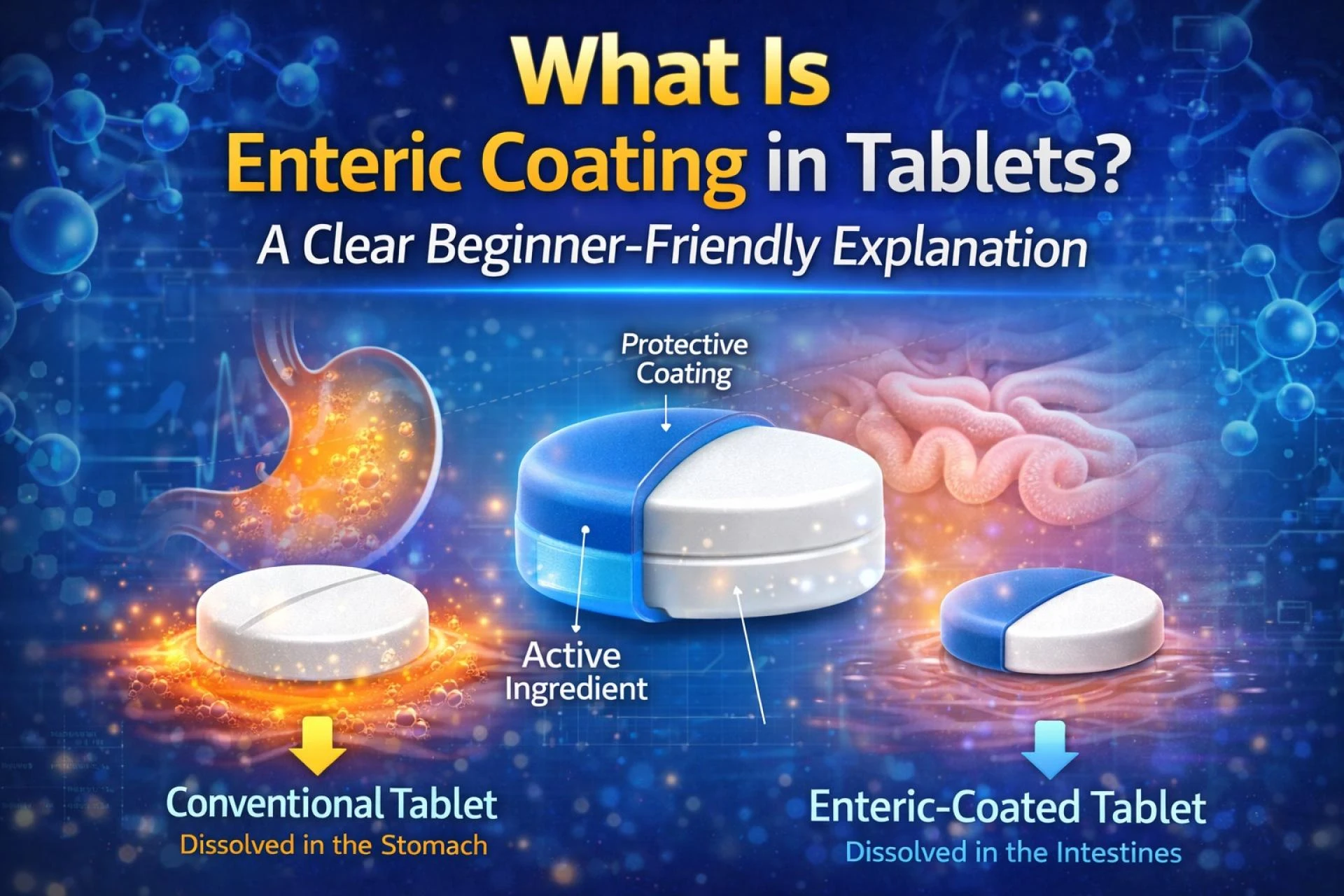
Enteric coating is a smart, protective layer applied to certain tablets that stops them from dissolving in your stomach. Instead, these tablets pass through the stomach untouched and only dissolve when they reach the small intestine. Why? Because some medications work better—or are safer—when they’re released further down your digestive system. It’s a clever solution that makes a big difference in how well your medicine works and how it makes you feel.
In the pharmaceutical world, ensuring that these coatings are applied perfectly is a science in itself. Companies like SHENZHEN LONNMETER GROUP are making big strides in helping manufacturers achieve this precision. Their cutting-edge technology for inline viscosity measurement allows drug producers to coat tablets consistently and effectively—so every pill performs exactly as it should. You can learn more by checking out what is enteric coating.
What Is Enteric Coating, Really?
Let’s imagine your digestive system as a two-part system: the stomach (very acidic) and the intestines (less acidic, more neutral). Some medications are sensitive to the stomach’s strong acid. Others might irritate your stomach if they release there. This is where enteric coating comes into play.
Enteric coating is a thin, protective film that wraps around a tablet or capsule. It’s made from special materials that resist the low pH of the stomach and only start to dissolve at a higher pH—usually above 5.5—which is the environment in the small intestine. This means the tablet stays whole in the stomach and only releases its medicine when it reaches the intestine.
In other words, enteric-coated tablets are “time travelers” in your body. They wait until the conditions are just right before they open up and start working.
Why Do We Use Enteric Coated Tablets?
There are a few really good reasons why enteric coatings are used in tablet design:
1. To Protect the Drug
Some medications—like certain antibiotics, enzymes, or probiotics—get destroyed in the stomach’s acidic environment. If they don’t make it to the intestines intact, they won’t work. The enteric coating protects the active ingredients until they reach a safer zone.
2. To Protect Your Stomach
On the flip side, some medications (especially pain relievers like NSAIDs) can be hard on your stomach lining. They may cause nausea, irritation, or ulcers. By coating the tablet, the drug avoids your stomach altogether, releasing later where it’s less likely to cause discomfort.
3. For Targeted or Delayed Release
Sometimes, medications are meant to act at a specific spot in your gut—or after a certain amount of time. Enteric coating gives doctors and pharmacists more control over when and where a drug is released.
4. To Improve Patient Comfort
Let’s be honest—nobody wants to take a pill that upsets their stomach. Enteric coatings help avoid those unpleasant side effects, making your treatment smoother and easier to stick with.
How Does Enteric Coating Work in the Body?
Let’s walk through the step-by-step journey of an enteric coated tablet in your body:
- Swallow the tablet with water.
- It enters your stomach, but thanks to the enteric coating, it doesn’t dissolve there. It remains intact and unbothered by the acidic environment.
- The tablet moves into your small intestine, where the pH level is higher (less acidic).
- The enteric coating dissolves, allowing the tablet to break down and release the medication.
- Your body absorbs the medicine, right where it’s supposed to.
This timed and targeted release is key for drugs that either don’t survive in the stomach or could cause problems if released there.
What Materials Are Used for Enteric Coating?
The enteric coating isn't just a regular film. It's made with special materials that respond to pH changes. Common materials include:
- Cellulose acetate phthalate (CAP)
- Hydroxypropyl methylcellulose phthalate (HPMCP)
- Polyvinyl acetate phthalate (PVAP)
- Methacrylic acid copolymers
These materials stay strong in the acidic stomach but dissolve easily in the more alkaline intestine. They’re mixed with plasticizers and solvents to make a smooth, even coating on each pill.
But here's the thing: to work properly, this coating has to be just right—not too thick, not too thin, and spread evenly across every single tablet.
Why Quality and Consistency Matter So Much
When it comes to enteric coatings, precision is everything. A coating that’s too thin might dissolve too early in the stomach. Too thick, and the drug may never release at all. Inconsistent coatings can lead to inconsistent results, which is dangerous in medicine.
That’s why drug manufacturers rely on real-time monitoring tools, like those from SHENZHEN LONNMETER GROUP, to maintain perfect coating quality. Their inline viscosity measurement systems help pharmaceutical companies control the thickness and flow of the coating solution during production. This ensures:
- Every tablet gets the exact same quality coating.
- The drug performs reliably with every dose.
- Batches meet strict regulatory standards.
- There’s less waste and fewer failed batches.
This real-time precision keeps patients safer and ensures the medication works the way it’s supposed to—every single time.
If you’re curious about how this works behind the scenes, check out https://www.lonnmeter.com/inline-viscosity-measurement-in-enteric-coating-of-tablets/.
Examples of Enteric Coated Tablets You Might Know
Wondering what kinds of drugs use enteric coatings? You might already be taking some without realizing it! Here are some everyday examples:
✅ Aspirin (for heart protection)
Low-dose aspirin can irritate the stomach lining, so many formulations come enteric coated to prevent damage and reduce side effects.
✅ Omeprazole (a proton pump inhibitor)
Used to reduce stomach acid, ironically, this drug can be destroyed by acid if not protected—so it’s enteric coated to ensure it reaches the intestine intact.
✅ Probiotics
Good bacteria can’t do much if they’re killed by stomach acid. Enteric coatings help them survive the journey to your gut where they’re needed.
✅ Certain antibiotics and anti-inflammatory medications
Especially those that are harsh on the stomach or require release in the intestines to be effective.
These examples show just how common—and useful—enteric coatings really are in daily medicine.
How SHENZHEN LONNMETER GROUP Supports Safer Tablets
Making tablets that behave perfectly inside the body requires advanced tools and technology. SHENZHEN LONNMETER GROUP helps pharmaceutical companies achieve this level of precision with their inline viscosity monitoring systems. These systems are used during the coating process to make sure everything stays within ideal parameters—especially the flow and thickness of the coating solution.
Thanks to their innovation, manufacturers can:
- Improve tablet coating consistency
- Reduce wasted batches and failed quality checks
- Speed up production with fewer delays
- Stay compliant with safety regulations
Their real-time monitoring makes a big difference behind the scenes—helping ensure that the medicine you take is both safe and effective.
Conclusion
So, what is enteric coating? It’s a smart and patient-friendly way to protect both you and your medication. Whether you’re taking a sensitive probiotic or a common painkiller, enteric coatings ensure that your pill waits to release until the time is right—usually in the small intestine where it can be absorbed safely and effectively.
From improving drug stability to minimizing side effects, this technology has changed the way medicine is delivered. And with the help of companies like SHENZHEN LONNMETER GROUP, manufacturers are now able to produce enteric coated tablets with better precision than ever before.
Next time you take a pill and feel great afterward, just remember—there might be more going on than you think, and enteric coating could be part of the reason why.






























Sign in to leave a comment.