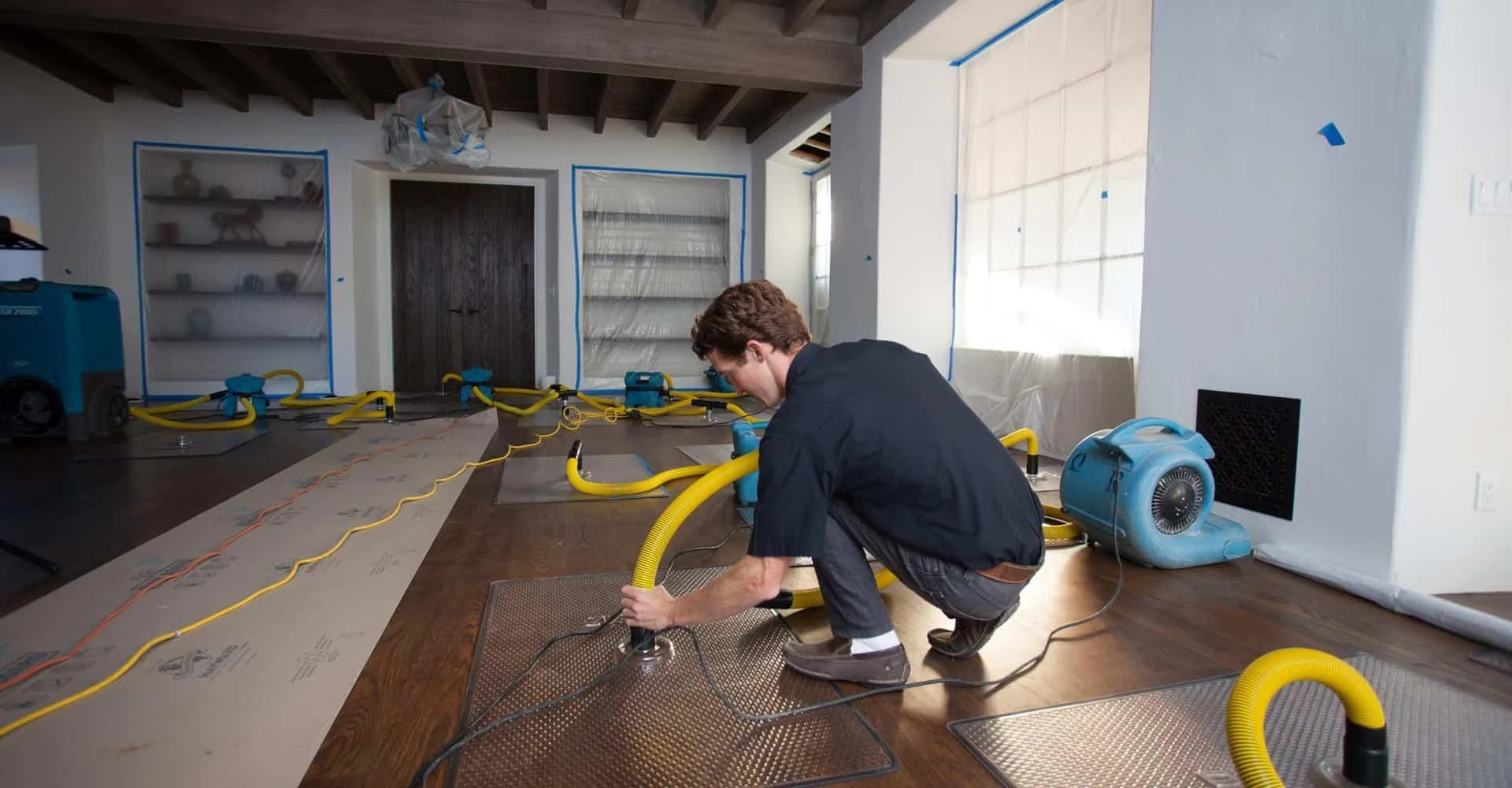

Foundation water damage refers to the deterioration that occurs when excess moisture seeps into or accumulates around a home's foundation. This undesirable moisture can have a myriad of causes, including heavy rainfall, improper drainage systems, or plumbing leaks. When water infiltrates the soil surrounding a foundation, it can lead to a range of structural issues that significantly affect the safety and livability of a home.

Water Damage Restoration
Call 1-858-477-5390
“Nationwide Restoration Excellence”
Common signs of foundation water damage include visible cracks in walls or floors, damp spots or mold growth on surfaces, and doors or windows that stick or fail to close properly. Homeowners may also notice an increase in musty odors, which indicate potential mold or mildew development. Over time, as foundation water damage progresses, it can lead to compromised structural integrity, making it essential to address the issue promptly.
The implications of ignoring foundation water damage extend beyond aesthetics; they can severely impact a home’s overall health. Moisture can provide an ideal environment for mold growth, adversely affecting indoor air quality and posing health risks to occupants. Moreover, the structural stability of a home can be compromised, potentially leading to costly repairs or even house evacuations in extreme cases. Homeowners should remain vigilant for any signs of moisture intrusion, as early detection can significantly influence the effectiveness of remediation strategies.
It is wise for homeowners to familiarize themselves with the symptoms and underlying causes of foundation water damage to implement preventative measures. Regular maintenance of drainage systems and prompt action in addressing plumbing issues can help reduce the risk of excessive moisture accumulation. Being proactive not only protects a home’s foundation but also ensures a healthier living environment for its residents.
Signs of Foundation Water Damage
Foundation water damage can manifest in various ways, making it essential to be aware of the signs to address the issue promptly. Some common signs of foundation water damage include:
- Cracks in Foundation Walls: Water can seep into the soil beneath the foundation, causing it to expand and contract, leading to cracks in the foundation walls. These cracks can be vertical, horizontal, or stair-step in nature.
- Slab Foundation Damage: Slab foundations are particularly prone to water damage due to their construction. Look for signs such as cracks, unevenness, or discoloration on the slab surface.
- Water Accumulation: If you notice water pooling around your home’s foundation, it may be a sign of poor drainage or water damage. This “verification successful waiting” scenario indicates that immediate action is needed to prevent further issues.
- Excess Moisture: Excess moisture in the crawl space or basement can indicate foundation water damage. Check for signs of mold, mildew, or water stains on walls and floors.
- Foundation Problems: Uneven floors, walls, or doors that stick or fail to close properly can be indicative of underlying foundation problems caused by water damage.
By recognizing these signs early, homeowners can take the necessary steps to mitigate damage and protect their home’s foundation.
Common Causes of Foundation Water Damage and Excess Moisture
Foundation water damage can arise from several factors, each contributing to the degradation of a home’s structural integrity. Understanding these causes is crucial for homeowners seeking to prevent potential water-related issues. One of the primary contributors to foundation water damage is heavy rainfall. Excessive rain can saturate the soil around a home’s foundation, leading to increased hydrostatic pressure and potential seepage into the basement or crawl space. Over time, this moisture accumulation can weaken the foundation walls, giving rise to cracks and structural instability.
Poor drainage systems are another significant factor that can exacerbate foundation water damage. Homes that lack adequate gutters or downspouts may experience water pooling around their foundations during rainstorms. This stagnant water can infiltrate the foundation and cause severe water damage if not adequately managed. Similarly, flooding, whether from natural disasters or plumbing failures, poses a direct threat to foundation integrity. When the ground is overwhelmed by water, even the most robust foundations can become compromised.
The groundwater levels in the vicinity also play a pivotal role in determining the susceptibility of a foundation to water damage. In regions with high groundwater levels, prolonged saturation can lead to increased moisture levels around the foundation. This moisture can, over time, seep into cracks or poorly sealed areas, causing mold growth and further weakening the structure.
Landscaping choices can inadvertently trap moisture around the foundation, leading to a higher risk of foundation water damage. Homeowners should ensure that landscaping slopes away from the home and that plants with deep roots do not draw water too close to the foundation.
Powdery Residue: A white, powdery residue on foundation walls, known as efflorescence, indicates water evaporation leaving behind mineral deposits. This is a sign of underlying water infiltration issues that need to be addressed.
Understanding these common causes can help in proactively addressing concerns related to foundation health and stability.
Effects of Foundation Water Damage
Foundation water damage can have severe consequences if left unaddressed. Some of the effects of foundation water damage include:
- Hydrostatic Pressure: Water can exert pressure on the foundation walls, causing them to crack or shift. This pressure can lead to significant structural issues over time.
- Soil Shrinkage: The soil beneath the foundation can shrink due to water damage, leading to uneven settlement or foundation damage. This can cause noticeable gaps and misalignments in the structure.
- Standing Water: Standing water in the crawl space or basement can lead to mold growth, mildew, and further damage to the foundation. This stagnant water can also attract pests and contribute to unhealthy indoor air quality.
- Basement Walls: Water damage can cause basement walls to crack, bow, or collapse, leading to serious structural issues. These compromised walls can also allow more water to enter, exacerbating the problem.
- Direct Water Entry: Direct water entry into the foundation can cause significant damage, including erosion of the soil beneath the foundation. This erosion can undermine the foundation’s stability and lead to costly repairs.
Understanding these effects underscores the importance of addressing foundation water damage promptly to maintain the structural integrity and safety of your home.
Immediate Actions to Address Foundation Water Damage
Upon suspecting foundation water damage, it is imperative for homeowners to act swiftly to mitigate further complications. The initial step involves identifying the sources of water intrusion. Homeowners should thoroughly inspect their property to locate any leaks, overflowing gutters, or improper drainage systems that may be contributing to water accumulation. Identifying these sources is vital as it not only aids in preventing additional water damage but also facilitates effective repairs. Addressing these issues promptly is crucial to prevent further damage to the home's foundation.
Once the sources of water have been identified, the next crucial action is to remove any standing water present in and around the foundation. If there is a significant accumulation, homeowners can use pumps or wet/dry vacuums to eliminate the water. Additionally, ensuring that the surrounding yard is graded away from the foundation can decrease the likelihood of future water pooling, thereby protecting the structural integrity of the home.
After addressing standing water, it is important to assess the extent of the damage caused within the home. This assessment should include checking for signs of mold growth, which can present serious health risks, and evaluating the affected drywall, flooring, and insulation materials. Homeowners should be particularly cautious and document these damages in case an insurance claim needs to be filed for repairs.
Lastly, while immediate actions are crucial, contacting professionals who specialize in foundation water damage is essential for a comprehensive evaluation. Skilled technicians have the experience and tools needed to adequately assess the extent of the damage and recommend necessary repairs. Seeking professional assistance ensures that homeowners not only address current issues effectively but also gain insights into long-term preventive measures for preserving their home’s foundation integrity.
Repairing a Water-Damaged Foundation
Repairing a water-damaged foundation requires immediate attention to prevent further damage. Here are some steps to take:
- Address the Source: Identify and address the source of the water damage, whether it’s poor drainage, plumbing leaks, or other issues. Fixing the root cause is crucial to prevent recurrence.
- Pump Out Standing Water: Remove any standing water from the crawl space or basement to prevent further damage. Use pumps or wet/dry vacuums to eliminate the water efficiently.
- Dry the Area: Dry the affected area completely to prevent mold growth and further damage. Dehumidifiers and fans can help speed up the drying process.
- Repair Cracks: Repair any cracks in the foundation walls or slab foundation to prevent further water entry. Use appropriate sealants and materials to ensure a durable fix.
- Install Proper Drainage: Install proper drainage systems, such as a French drain, to direct water away from the foundation. Ensuring proper drainage will protect the foundation from future water damage.
By following these steps, homeowners can effectively repair a water-damaged foundation and prevent future issues.
Long-Term Solutions and Prevention Strategies for Proper Drainage
Addressing foundation water damage requires more than just immediate repairs; it calls for a strategic approach to prevent recurrence in the future. Homeowners must actively engage in long-term solutions to safeguard their properties from the detrimental effects of water intrusion. One key strategy is the implementation of effective waterproofing measures. Utilizing high-quality waterproofing materials on the foundation walls creates a barrier that minimizes water infiltration, significantly reducing the likelihood of foundation water damage. Regular professional evaluations are essential to ensure the long-term stability and integrity of the home's foundation.
In addition to waterproofing, proper drainage installation is essential. A well-designed drainage system should direct rainwater away from the foundation, preventing accumulation that can lead to water damage. This can involve the installation of French drains, sump pumps, or surface drains that redirect water away from vulnerable areas. Ensuring that these systems are in-place will protect the foundation from excess moisture.
Regular maintenance of gutters and downspouts is another crucial preventive measure. Keeping these components clean and functional ensures that rainwater is effectively channeled away from the home’s structure. Homeowners should routinely inspect gutters for debris and ensure that downspouts extend at least six feet away from the foundation. Inadequate drainage from gutters can lead to pooling water, thus increasing the risk of foundation water damage.
Landscaping techniques also play a significant role in moisture management. Planting water-absorbing vegetation away from the foundation helps in reducing moisture retention. Additionally, grading the soil around the home should slope away from the foundation, preventing water from accumulating at its base. By adopting these landscaping practices, homeowners can further decrease the chances of foundation water damage while promoting effective water displacement.
These long-term solutions are essential for protecting your home, promoting durability, and ensuring that foundation integrity remains intact over time.
Importance of Regular Professional Evaluations
Regular professional evaluations are crucial to identify and address foundation water damage issues promptly. Here are some reasons why:
- Early Detection: Regular evaluations can detect foundation damage issues early, preventing further damage and costly repairs. Early intervention can save homeowners significant time and money.
- Prevention: Regular evaluations can help prevent water damage by identifying potential issues before they become major problems. Proactive measures can be implemented to safeguard the foundation.
- Expert Advice: Professional evaluators can provide expert advice on how to address water damage issues and prevent future problems. Their experience and knowledge are invaluable in maintaining a healthy foundation.
- Peace of Mind: Regular evaluations can provide peace of mind, knowing that your home’s foundation is secure and free from problems. Homeowners can rest easy knowing their property is well-maintained.
- Cost Savings: Regular evaluations can save you money in the long run by preventing costly repairs and foundation damage. Investing in routine inspections can help avoid expensive emergency repairs.
By prioritizing regular professional evaluations, homeowners can ensure the long-term health and stability of their home’s foundation.

























Sign in to leave a comment.