
Glaucoma is a group of eye conditions that affects the optic nerves in the eyes. It is responsible for transmitting visual information from the eyes to the brain. This damage often occurs due to elevated high pressure (pressure within the eye), which can lead to gradual and irreversible vision loss.
Glaucoma can affect anyone but certain factors can increase the risk. Consulting glaucoma doctors at an early stage can be most effective. Regular eye exams can detect and certain medications can reduce the effect. In severe cases glaucoma surgery is advisable. There are two types of glaucoma depending on the stage of the disease open-angle glaucoma and closed-angle glaucoma.
Let us discuss the causes of glaucoma
Impaired Drainage of Aqueous Humor - The eye produces a clear fluid called aqueous humor, which circulates within the front part of the eye. It needs to drain out properly to maintain a healthy intraocular pressure. In some types of glaucoma, the drainage system becomes inefficient or blocked, causing a buildup of fluid and increased pressure within the eye.
Genetics and Family History - A family history of glaucoma increases the risk of developing the condition. Certain genetic factors may play a role in the susceptibility to glaucoma, especially primary open-angle glaucoma.
Age - As people age, the risk of glaucoma increases. Older individuals are more likely to develop the condition, particularly after the age of 60.
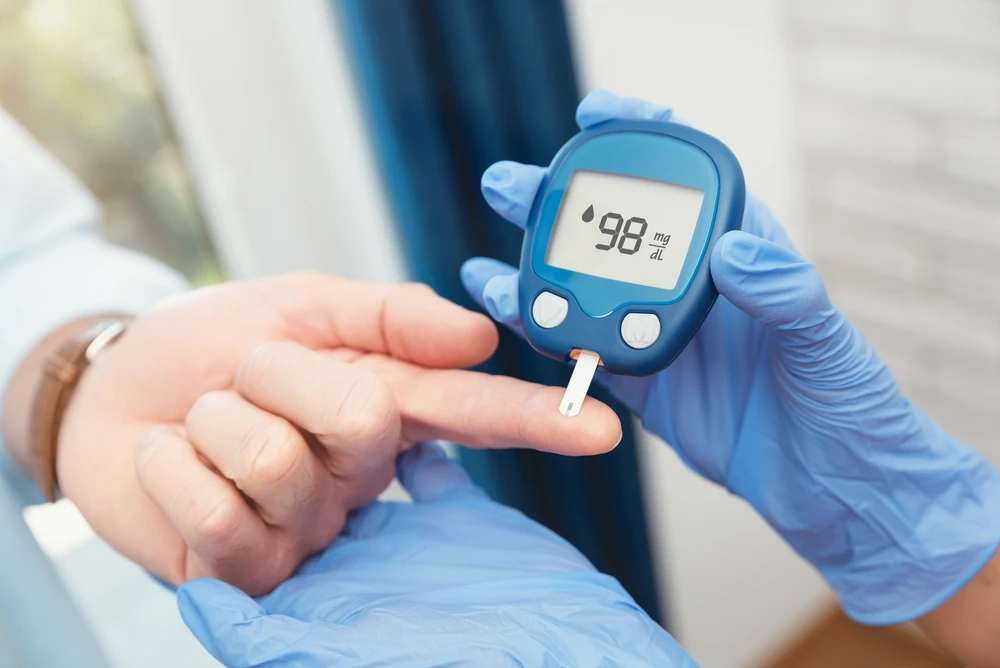
Medical Conditions - Certain medical conditions like diabetes, hypertension, and cardiovascular disease can increase the risk of glaucoma.
Eye Trauma or Surgery - Severe eye injuries or surgeries can sometimes disrupt the normal drainage system, leading to an increase in intraocular pressure and potentially causing glaucoma.
Eye Anatomy - Some individuals may have an anatomical predisposition that makes them more susceptible to developing narrow-angle or closed-angle glaucoma due to the physical structure of their eyes.
Circulatory Problems - Poor blood flow to the optic nerve can contribute to its damage, which can be seen in some forms of glaucoma.
Treatments for Glaucoma:
Here are some common types of glaucoma treatments available:
Medications (Eye Drops): Eye drops are often the first line of treatment for glaucoma. These medications work by either reducing the production of aqueous humor (the fluid in the eye) or increasing its drainage, thereby lowering intraocular pressure. There are several types of eye drops available, including beta-blockers, prostaglandin analogs, alpha agonists, and carbonic anhydrase inhibitors. Patients must follow the prescribed regimen closely to achieve the desired effect.
Oral Medications: In some cases, oral medications are prescribed to lower intraocular pressure in the eyes. These medications can have systemic side effects and are typically used when eye drops are not effective or well-tolerated.
Laser Therapy: Selective Laser Trabeculoplasty (SLT): This procedure uses a laser to target specific cells in the drainage system of the eye, improving its ability to drain fluid and reduce intraocular pressure.
Laser Peripheral Iridotomy (LPI): This is used for angle-closure glaucoma. A laser creates a small hole in the iris to improve fluid drainage and reduce the risk of sudden increases in intraocular pressure.
Laser Cyclophotocoagulation: This is typically used when other treatments are ineffective. It targets the ciliary body, which produces aqueous humor, to reduce its production and lower intraocular pressure.
Surgery:
Trabeculectomy: This is a surgical procedure that creates a new drainage channel in the eye to allow excess fluid to drain out and lower IOP.
Minimally Invasive Glaucoma Surgery (MIGS): These newer procedures are less invasive than traditional surgeries and can be performed in conjunction with cataract surgery. Examples include iStent, Xen Gel Stent, and Kahook Dual Blade (KDB).
Combination Therapies: In some cases, a combination of different treatments may be used to effectively manage glaucoma and lower IOP.
Closing thoughts:
In some rare cases combination of treatments can help. Consulting a glaucoma doctor in Coimbatore at an early stage and regular monitoring is the key to managing the condition effectively.
To determine the most appropriate plan for your glaucoma surgery contact Sri Ramakrishna Hospital is the glaucoma eye hospital in Coimbatore having experienced eye specialists and the latest treatments.
































Sign in to leave a comment.