
Introduction
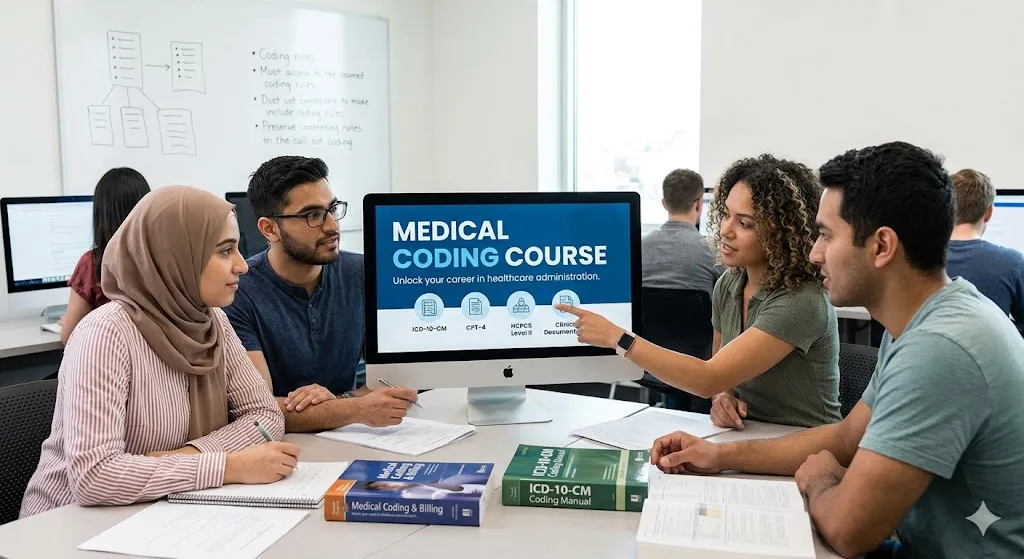
The healthcare industry is expanding rapidly across India and worldwide, creating strong demand for trained medical coding professionals. Hospitals, insurance companies, healthcare BPOs, and medical service providers are constantly searching for skilled coders who can manage clinical documentation and insurance claims accurately. As healthcare systems continue shifting toward digital platforms, medical coding has become one of the most promising non-clinical healthcare careers for students and working professionals.
Many learners today prefer joining a professional Medical Coding Course because it offers stable career growth, attractive salary opportunities, and long-term job security. In today’s healthcare industry, trained coders play an important role in maintaining patient records, managing insurance documentation, and supporting hospital revenue systems. This field is especially suitable for individuals looking for a healthcare career without direct clinical practice.
What Is Medical Coding?
Medical coding is the process of converting medical diagnoses, treatments, procedures, and healthcare services into standardized alphanumeric codes. These codes are used by hospitals, clinics, insurance companies, and healthcare organizations for billing, insurance claims, and documentation purposes.
Medical coders work closely with doctors, healthcare providers, and insurance teams to maintain accurate patient records and ensure proper reimbursement processes. Proper coding also helps hospitals manage healthcare data efficiently.
Many students begin by asking what a medical coding course actually includes. Medical coding mainly focuses on healthcare documentation, insurance processing, coding systems, and revenue cycle management.
Common Coding Systems Covered
- ICD-10-CM
- CPT Coding
- HCPCS Coding
- Healthcare Documentation
- Insurance Claim Processing
- Revenue Cycle Management
Because of its growing importance in healthcare administration, medical coding is now considered one of the fastest-growing non-clinical healthcare professions.
What Is a Medical Coding Course?
A structured medical coding course is a professional healthcare training program designed to teach students medical coding systems, healthcare documentation, insurance claim handling, and medical terminology. The course helps learners understand how healthcare organizations manage patient records and billing procedures.
Students are trained through coding exercises, assignments, live projects, and practical case studies. The training also improves attention to detail and coding accuracy, which are essential in healthcare administration.
Most institutes additionally prepare learners for certification exams and provide practical industry exposure. These features improve employability and prepare students for real-world healthcare environments.
Topics Covered in Training
- Medical terminology
- Anatomy and physiology
- ICD-10-CM coding
- CPT procedures
- HCPCS coding systems
- Insurance processing
- Healthcare compliance
- Coding software training
Healthcare companies highly value professionals who can work accurately while meeting strict deadlines.
Types of Medical Coding Courses
Different coding programs are available depending on learning goals, certification level, and career plans. Students can choose online, offline, hybrid, beginner-level, or advanced certification programs.
Beginner Medical Coding Courses
These programs are ideal for freshers entering the healthcare field. They mainly cover coding basics, healthcare documentation, and introductory medical terminology.
Advanced Certification Courses
Advanced programs focus on international certifications and specialized coding skills. These courses include in-depth coding practice and real industry case studies.
Online Medical Coding Programs
Online learning has become highly popular because of its flexibility and convenience. Students can attend live classes from home and access recorded sessions and digital study materials anytime.
Hybrid Learning Programs
Hybrid programs combine classroom learning with online training. They are suitable for students who want flexibility along with direct trainer interaction.
Medical Coding Course Comparison Table
| Course Type | Duration | Eligibility | Fees Range | Career Opportunities |
|---|---|---|---|---|
| Beginner Course | 3–6 Months | 12th Pass | ₹25,000–₹50,000 | Junior Medical Coder |
| Advanced Certification | 6–12 Months | Graduates | ₹50,000–₹1,20,000 | Certified Medical Coder |
| Online Program | 4–8 Months | 12th Pass/Graduates | ₹30,000–₹70,000 | Coding Executive |
| Hybrid Learning Program | 6–9 Months | Students & Professionals | ₹40,000–₹90,000 | Healthcare Documentation Specialist |
One important factor learners compare is the course fees and placement support. Students usually prefer institutes that provide practical training, certification guidance, and career assistance.
Skills You Learn During Training
An industry-focused Medical Coding Course helps students develop technical, analytical, and communication skills required in healthcare administration. Training combines theoretical concepts with practical healthcare workflows.
Important Skills Learned
- Medical terminology understanding
- Anatomy and physiology basics
- Insurance claims management
- Coding accuracy
- Healthcare documentation
- Attention to detail
- Communication skills
- Problem-solving abilities
- Billing software handling
- Revenue cycle understanding
Students also learn how to work with healthcare software systems and maintain proper patient documentation. These practical skills improve employability and workplace confidence.
Today, many institutes offer career-oriented Medical Coding Course programs with live projects, coding exercises, and real-time assignments. Practical exposure helps learners understand healthcare workflows more effectively.
Medical Coding Course Fees and Other Important Factors
The cost of coding programs depends on course level, certification support, institute reputation, and training mode. Before selecting an institute, students should carefully compare curriculum quality, trainer experience, placement support, and practical exposure.
Many learners search for institutes that provide affordable Medical Coding Course Fees along with certification preparation and placement assistance. Programs offering practical industry learning are often considered more valuable for long-term career growth.
Some institutes also provide flexible payment plans, scholarship opportunities, and weekend batches for students and working professionals. Instead of focusing only on cost, learners should evaluate the overall quality of training and industry exposure.
While comparing institutes, students often analyze transparent medical coding course fees together with certification guidance and placement support. Proper research helps learners choose the right institute according to their career goals.
Job Opportunities After Training
Medical coding offers excellent career opportunities in hospitals, healthcare BPOs, insurance companies, clinics, and healthcare outsourcing firms. As digital healthcare systems continue growing, demand for trained coders is increasing rapidly.
After completing a job-oriented Medical Coding Course, students can apply for multiple healthcare administration roles. Freshers generally begin with entry-level positions and later move into advanced coding roles through experience and certifications.
Popular Job Roles
- Medical Coder
- Certified Professional Coder
- Coding Auditor
- Healthcare Documentation Specialist
- Medical Billing Executive
- Revenue Cycle Executive
- Insurance Claims Processor
- Coding Analyst
Freshers in India can expect salaries between ₹18,000 and ₹35,000 per month depending on skills, certifications, and employer type. International healthcare organizations often offer better salary packages and faster career growth opportunities.
Healthcare outsourcing companies in India continue hiring trained professionals because of the increasing global demand for digital healthcare documentation and insurance management services.
Why Students Choose IHIMC
Students usually look for institutes that offer practical exposure, experienced trainers, updated syllabus, and placement-oriented learning. A trusted healthcare institute not only teaches theory but also helps students gain confidence through real industry exposure.
IHIMC provides industry-relevant healthcare training through technical learning, practical coding exercises, and certification preparation. Students receive training in coding systems, clinical documentation, healthcare workflows, and interview preparation.
The institute also focuses on live assignments, coding projects, and practical learning methods that help learners build strong professional skills. Flexible learning formats and experienced mentors make training suitable for both freshers and working professionals.
Many students choose IHIMC because of its career guidance, practical training methods, and placement assistance. With proper industry exposure and hands-on practice, learners become more confident while attending interviews and starting their healthcare careers.
Conclusion
In today’s digital healthcare industry, medical coding has become one of the most rewarding non-clinical healthcare careers. Hospitals, healthcare companies, insurance providers, and outsourcing organizations constantly require trained coders who can manage documentation and claims accurately.
A comprehensive Medical Coding Course helps students build technical knowledge, coding accuracy, and practical healthcare skills needed for long-term career growth. With proper certifications and hands-on learning, students can secure stable jobs with attractive salary opportunities.
Choosing the right institute plays a major role in career success. Institutes like IHIMC provide industry-focused learning, practical exposure, certification preparation, and placement support that help students become job-ready healthcare professionals.
For students searching for a stable healthcare career with strong future opportunities, medical coding can be an excellent choice.
FAQs
1. What is a medical coding course?
A medical coding course is a professional healthcare training program that teaches students coding systems, healthcare documentation, and insurance claim processing.
2. What are the different types of medical coding courses?
Medical coding programs include beginner courses, advanced certification programs, online training, and hybrid learning courses.
3. What are medical coding course fees?
Course fees vary depending on certification level, course duration, institute reputation, and learning format. Fees generally range from ₹25,000 to ₹1,20,000.
4. What jobs can I get after completing the course?
Students can work as medical coders, coding auditors, healthcare documentation specialists, billing executives, and insurance claims processors.
5. Why choose IHIMC?
IHIMC offers practical healthcare training, experienced mentors, certification preparation, and placement support for students pursuing healthcare careers.


























Sign in to leave a comment.