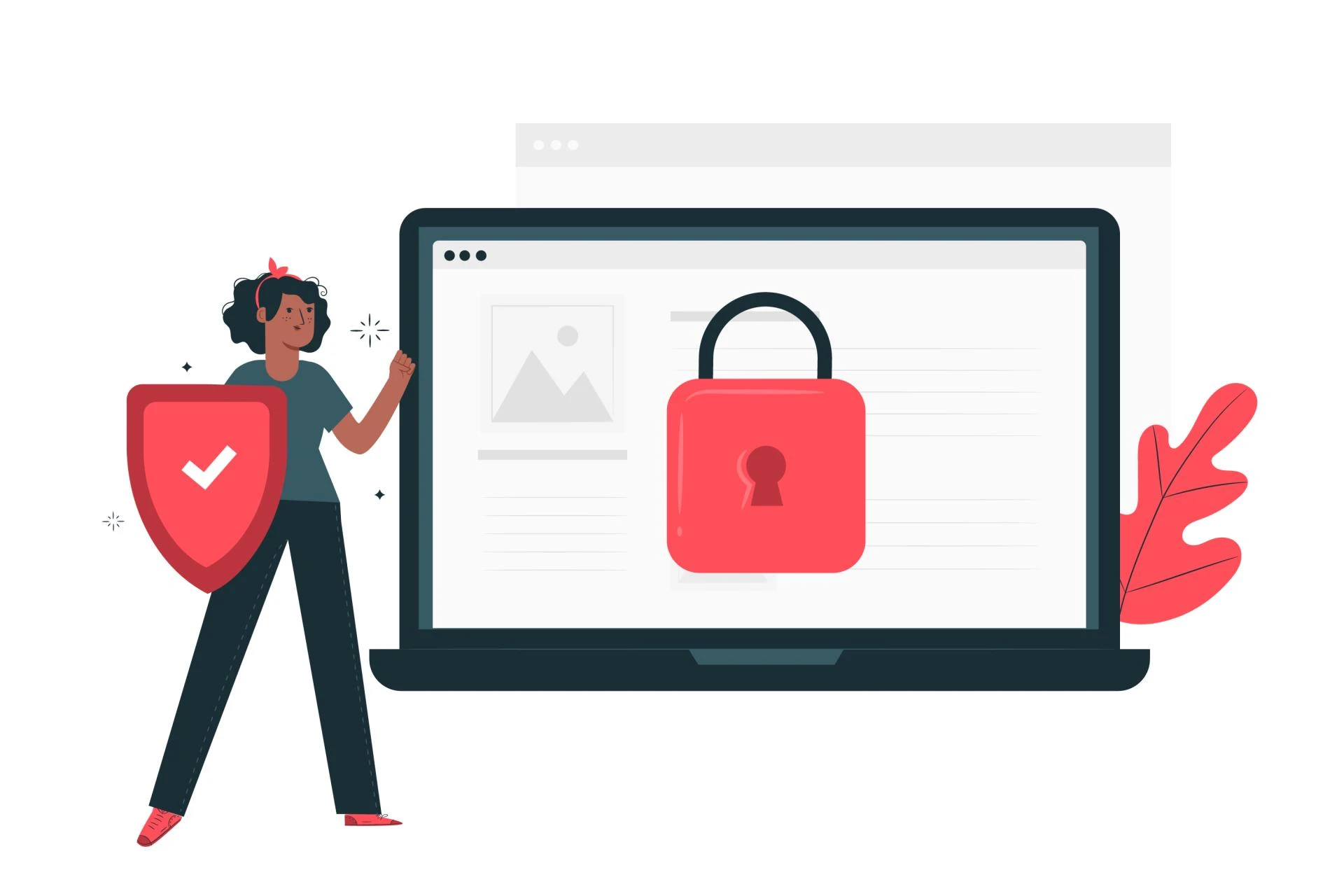

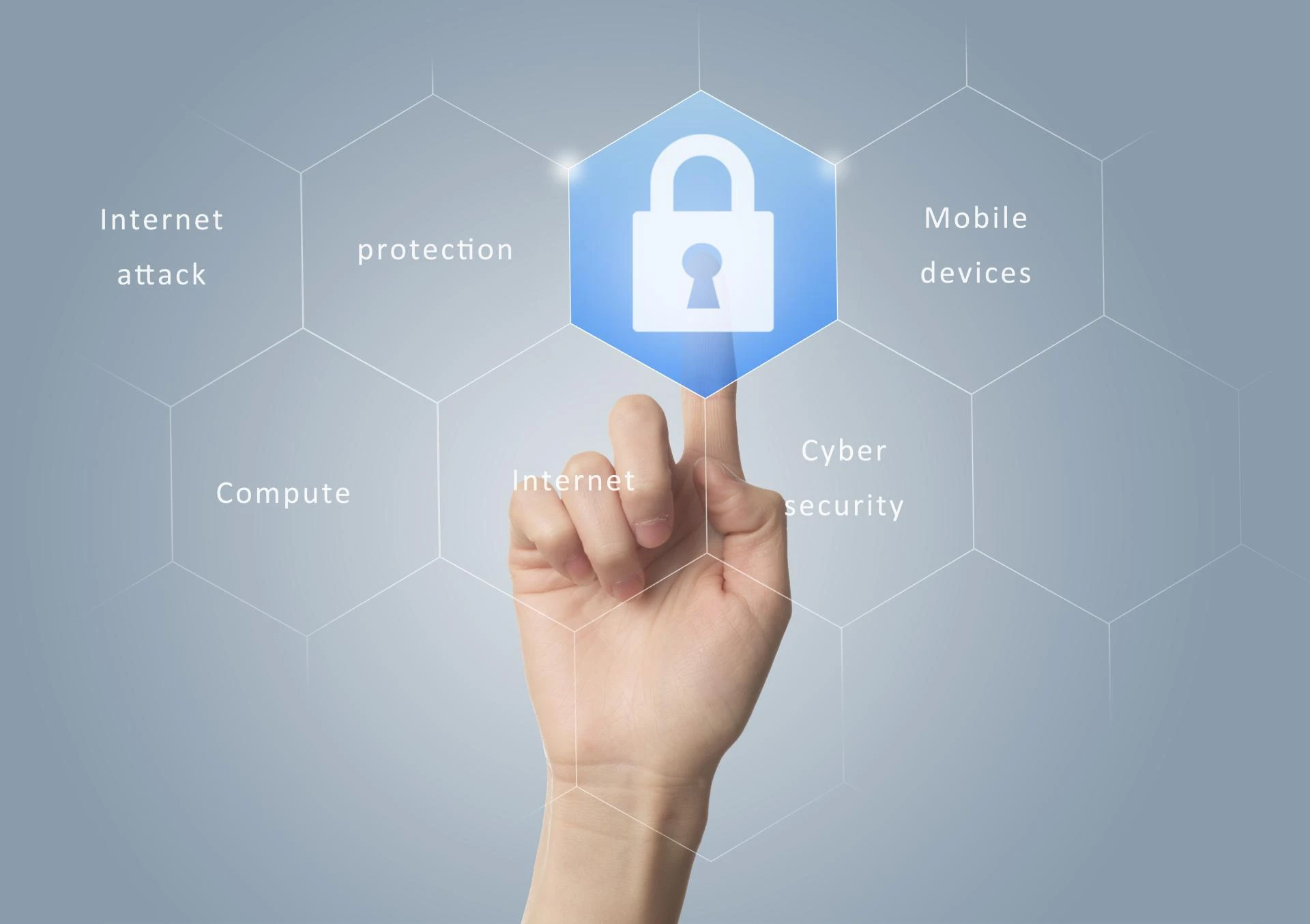
In today’s digital age, security threats loom large, and protecting sensitive information has become non-negotiable. Multi-Factor Authentication (MFA) is a robust defense mechanism that ensures unauthorized access is blocked, even if one layer of security is compromised.
Let’s break it down. MFA combines two or more authentication factors:
- Something You Know – Passwords or PINs.
- Something You Have – Smartphones, security tokens, or OTPs.
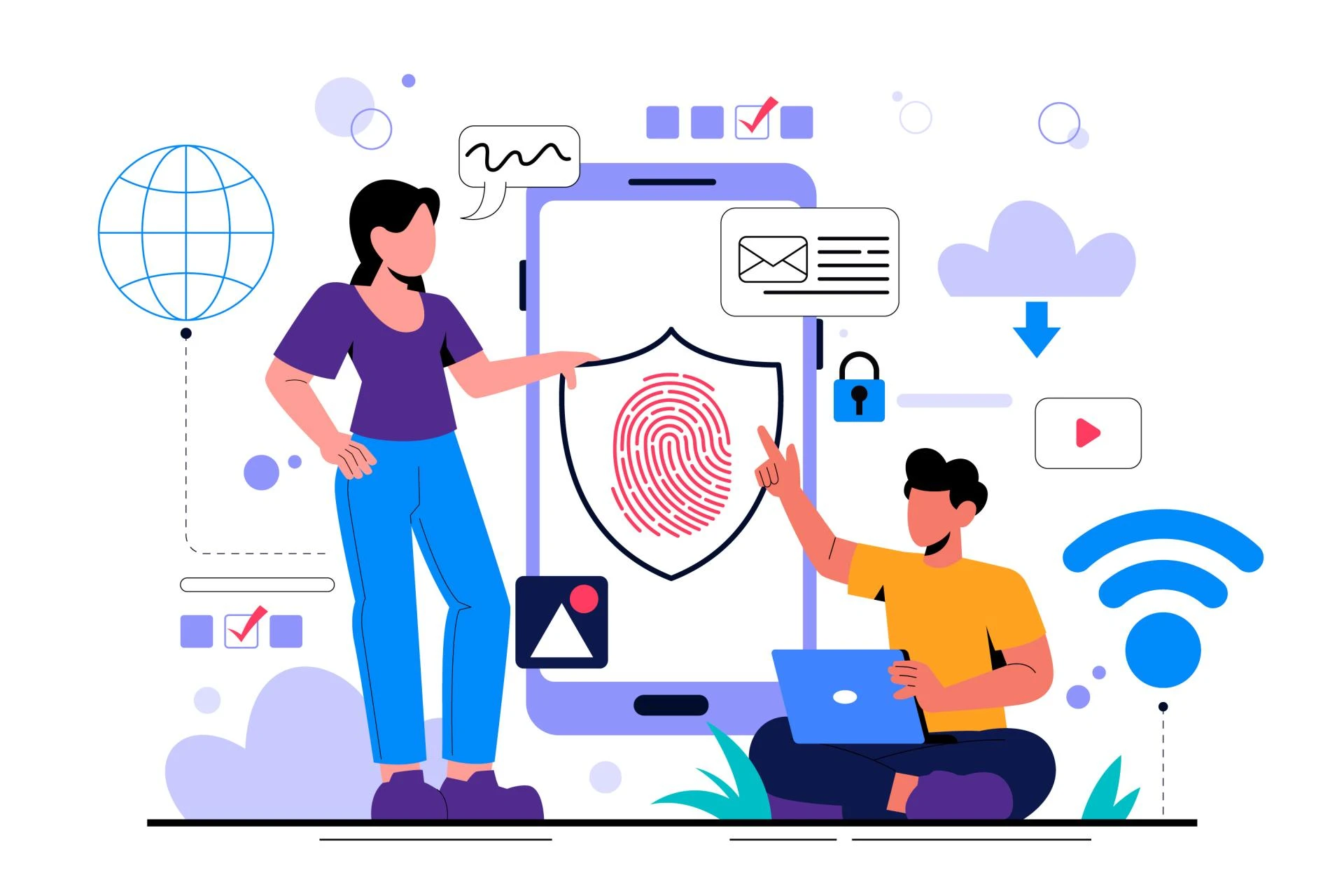
- Something You Are – Biometrics like fingerprints or facial recognition.
By requiring multiple proofs of identity, MFA minimizes risks associated with compromised credentials.
Why Is MFA Gaining Popularity?
Hackers are becoming increasingly sophisticated, exploiting weak or reused passwords. MFA adds an extra layer of protection, making it exponentially harder for attackers to breach accounts or systems.
Whether it’s banking, healthcare, or corporate environments, MFA has become a standard security practice. In fact, many regulatory frameworks now mandate MFA compliance to ensure data protection.
How Does MFA Work in Real Life?
Imagine logging into your online banking account. After entering your password, you’re prompted to enter an OTP sent to your phone. Even if someone knows your password, they’d still need access to your phone, which adds another hurdle.
Key Benefits of MFA
- Enhanced Security – Multiple layers of authentication reduce vulnerabilities.
- Compliance – Helps organizations meet industry standards like GDPR, HIPAA, or PCI-DSS.
- Ease of Use – With advancements like push notifications, MFA is simpler than ever.
- Trust – Customers feel safer knowing their data is better protected.
Challenges of MFA
While MFA is incredibly secure, it’s not without challenges:
- User Resistance: Extra steps can sometimes feel cumbersome.
- Compatibility: Not all systems easily integrate MFA.
- Cost: Setting up enterprise-grade MFA solutions may require investment.
But with the right implementation, these challenges are manageable and outweighed by the benefits.
The Future of MFA
MFA is constantly evolving. Features like adaptive authentication and biometric advancements are paving the way for a seamless user experience. As cyber threats grow, MFA will likely remain at the forefront of modern security strategies.
Wrapping Up
Multi-Factor Authentication is no longer a luxury—it’s a necessity. By implementing MFA, individuals and organizations can safeguard their data and build a strong line of defense against cyberattacks. If you’re not using MFA yet, now’s the time to start!
Would you like to explore more about integrating MFA for your business? Drop your thoughts in the comments!






















Sign in to leave a comment.