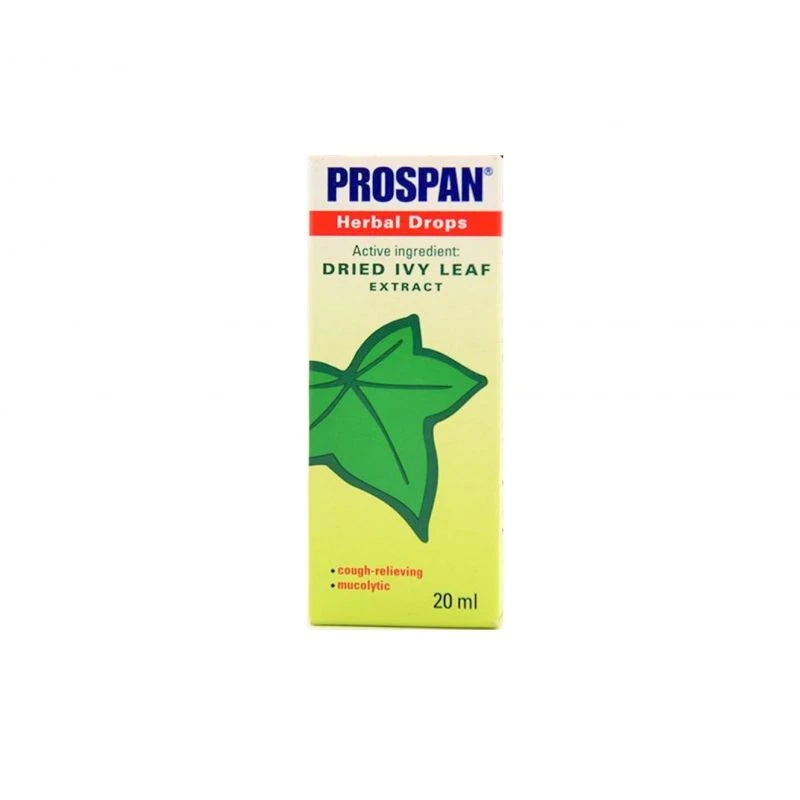

Here is everything you need to know about Prospan.
Understanding Prospan
Prospan is a plant-based cough syrup formulated from the dried extract of Hedera helix (ivy leaf). Unlike traditional cough suppressants, this herbal medicine works in multiple ways—it loosens mucus, soothes irritation, and helps clear the airways. Because of its natural origin, it is generally considered safe for children as young as two years old, making it a preferred choice for families.
How Does Prospan Work?
The secret behind Prospan lies in its active ingredients derived from ivy leaf. These compounds provide:
● Expectorant action – helping to loosen mucus and phlegm.
● Bronchospasm relief – reducing airway constriction for easier breathing.
● Anti-inflammatory effects – soothing irritated respiratory passages.
This makes it effective for both productive cough (with mucus) and dry, irritating coughs.
Benefits of Using Prospan
Choosing Prospan comes with several advantages:
● Natural and herbal-based – suitable for people seeking plant-based remedies.
● Clinically proven – backed by scientific research and global usage.
● Safe for children – sugar-free and alcohol-free formulations are available.
● Versatile use – helpful in managing cough caused by colds, bronchitis, and mild respiratory infections.
Is Prospan Safe?
Safety is one of the biggest reasons Prospan is popular among families. Unlike many cough syrups that contain codeine or alcohol, Prospan is formulated to avoid these ingredients. Pediatricians often recommend it for children, but parents should always follow dosage instructions or consult a healthcare professional before use.
Who Should Use Prospan?
● Children suffering from cough and congestion.
● Adults looking for a gentle, natural alternative to chemical-based syrups.
● Elderly individuals who may prefer a mild yet effective remedy.
However, people with allergies to ivy leaf or other components should avoid it.
How to Take Prospan
Prospan is available in different forms, including syrup, tablets, and effervescent options. The dosage depends on age and form, but general recommendations are:
● Children (2–5 years): lower dosage as prescribed.
● Children (6–12 years): moderate dosage.
● Adults: higher dosage compared to children.
Always read the package instructions or consult a doctor for the correct dosage.






























Sign in to leave a comment.