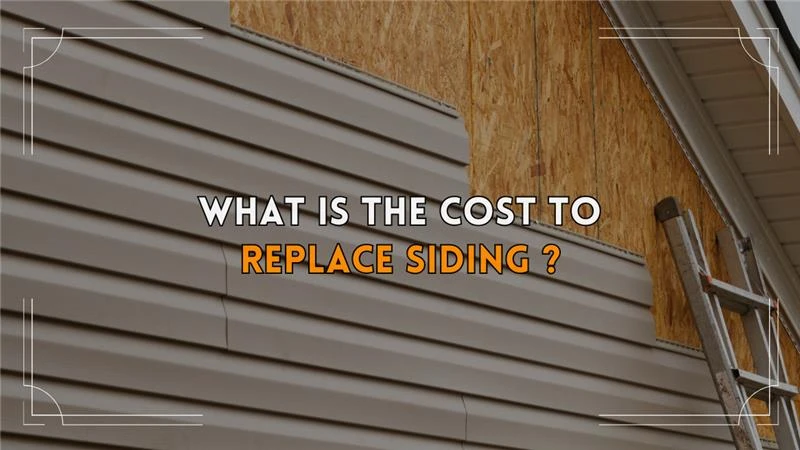

A home’s siding plays a vital role in both protecting it from the elements and enhancing its curb appeal. But like any part of your home, siding wears down over time and may eventually need replacement. Whether you’re noticing cracks, warping, or fading, replacing siding is a major decision and a significant investment. Hiring the most professional siding replacement contractors can help homeowners to replace their home’s siding on a budget.
In the U.S., the cost of replacing siding typically ranges between $6,000 and $23,000, depending on a number of factors such as material, size of the house, labor expenses, and location. For an average-sized single-family home, the total siding replacement cost falls around $10,000 to $16,000.
Factors That Affect Siding Replacement Costs
1. Material Type
The kind of siding which you select has a major impact on the cost. They exist in the form of relatively cheaper materials and higher-priced ones that are accompanied by a higher value as durability, insulation, and appearance.
- Vinyl siding is among the most affordable options, known for its low maintenance and versatility. It’s ideal for homeowners looking for a cost-effective solution without compromising appearance.
- Fiber cement siding costs more but is extremely durable and resistant to fire, rot, and pests. It mimics the look of wood and lasts for decades.
- Wood siding is classic and natural yet it is quite expensive. It needs to be checked and maintained in order to avoid problems associated with moisture build up and decay.
- Aluminum or steel metal siding is durable and strong and is commonly found in contemporary or industrial-type houses.
2. Home Size and Layout
The larger your home, the more material and labor required to replace siding on a house, which increases overall cost. Additionally, homes with complex architecture (like gables, dormers, or multiple stories) usually incur higher costs due to added labor and cutting precision.
The layout and the architectural complexity of your house are also critical besides the size. Houses of multiple height, of unique shape, dormers, and gables or extremely detailed trim will normally have a higher price to side them because of the added time and workmanship to install.
3. Labor Costs
The average labor usually amounts to 30 to 50 percent of the total amount of siding replacement. Prices may depend on your area and the general supply of experience siding specialists. As an example, the rate of labor is usually high in the urban centers with a higher cost of living than that of rural regions.
Furthermore, the labor cost may vary depending on the experience of the contractor, schedule of the project and the complexity of the installation of a particular material/ type of finishing (or even custom made) material. Engaging the services of a good and licensed professional could be expensive initially but can save a lot in the future due to excellent workmanship and minimal problems.
4. Old Siding Removal
The old siding normally has to be removed before the installation of new siding. This is a discipline that requires labor, disposal charges and time, which will add to the final price.
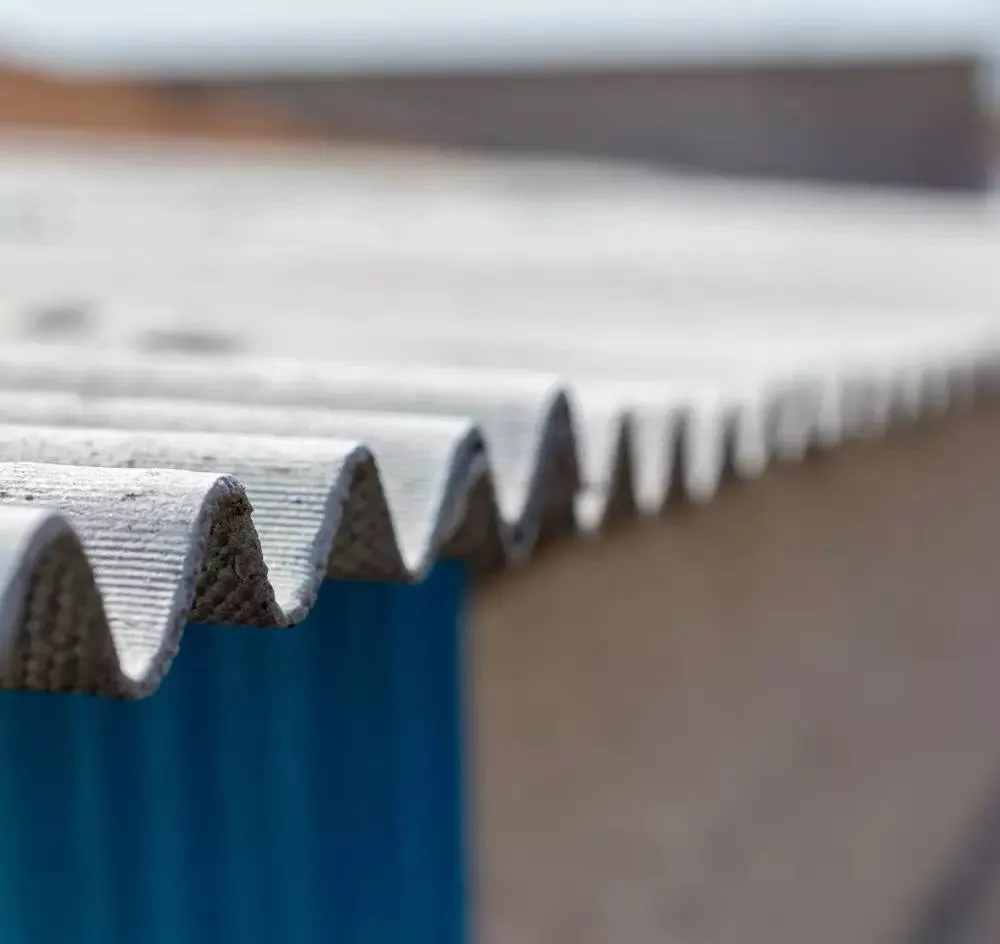
Additional repair work may be needed (possibly at a highly elevated cost) in case the aged siding is going to be damaged, composed of asbestos, or has some structural misfortune under its basis (snow, rot, or bug infestation). Depending on the size and condition of the home, homeowners can expect to pay between $1,000 and $3,000 or more to remove the old siding and properly dispose of it.
5. Insulation and House Wrap
If you are replacing the siding, then you should enhance the energy efficiency of your house by adding more insulation, or on the other hand, adding a house wrap (a water resistant barrier that prevents water penetration).
Although this is not always necessary, the insertion or replacement of the insulation behind the siding can have long-range effects of saving energy through better indoor temperature management as well as diminished costs of heating and air-conditioning. This may increase the project cost of about 1,000 dollars to 4,000 dollars and more depending on the nature of insulation and the extent of area involved.
Is Replacing Siding Worth the Investment?
When you replace siding on house, you’re not just refreshing its appearance—you’re boosting property value, improving insulation, and preventing issues like moisture intrusion and pest infestations. New siding can deliver up to 70–80% return on investment and significantly enhance energy efficiency.
Also, a siding replacement will prevent moisture infiltration, mold and pest invasions, structural problems, and keep your house intact. A majority of the new kinds of siding are also low-guilt and meant to last decades, thus fewer repair activities, maintenance, and more comfort. The process of siding replacement is a good value-adding addition that shields your arriving investment and drives the overall performance of your home, whether you are planning on selling or intend to remain there longer.
Read: Siding Replacement vs. Repair: Which is the Best Option For Your Home?
Tips to Save Cost on Siding Replacement
Get Multiple Quotes
Ask between 3 to 5 cost estimates whenever approaching various contractors. That provides you with a vivid image of average cost in your neighborhood and assists you in comparing services, warranties, materials, and schedules. Beware of bids that are too low. The work might be of low quality or the contractor may be charging you some add ons.
Choose the Right Material for Your Budget
Siding of all types does not charge the same cost. As an example, vinyl siding is among the most cost-effective variants that have an excellent value in the long-run with very little maintenance. The other alternative is hardwood which is similar to the bio-plastic, economically low priced and it resembles the wood. Choose a material that will match with aesthetics, durability and cost depending on your long-term needs.
Time Your Project Right
The rate of contractors is high during spring and summer seasons and this increases the rates. You can also consider transacting your siding replacement during the off-season (late fall or early winter) as it will be easy to negotiate prices as well as the speed of the service due to the lower demand.
Read: When Is It Time to Replace Your House Siding? Questions to Consider
Consider Partial Replacement
In case your siding is usable in some parts, you should think about the partial change or repairing rather than repainting the complete exterior of your home. You can get a professional inspection to know whether a spot fix is a possible and safe solution for your house.
Ask About Financing or Payment Plans
Financing, payment plans or seasonal offers are benefits offered by many siding companies who can help make a big project a little bit closer and more at reach. Ask whether there are discounts, rebates, or any incentives especially when you are using energy efficient or eco friendly siding materials.
Conclusion
Siding replacement is one of the smartest investments to enhance the looks, performance, and value of your home. The expenses may differ greatly, but knowing the particular aspects you can prepare sufficiently and spend effectively. Before you think of changing your siding, you need to consult with contractors that will give you a correct estimate according to the needs of your house.
Looking to replace your siding on a budget? Contact our Gaithersburg siding company to replace your home’s siding cost-effectively.
Originally Posted at: Siding Replacement Cost


























Sign in to leave a comment.