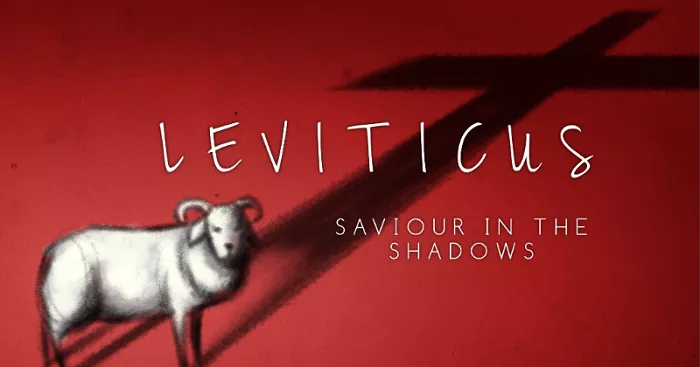

The Book of Leviticus is often regarded as one of the most complex and meticulous books in the Bible. It contains the legal and moral codes that governed the lives of the Israelites, focusing particularly on the theme of holiness. Central to the book is the concept of purity and impurity, which permeates its laws and rituals. In Leviticus, impurity is not simply a matter of physical cleanliness but is tied to both spiritual and moral states. This essay seeks to explore the Book of Leviticus' view on impurity, examining the types of impurity outlined, the reasons for their existence, and their implications for the ancient Israelites’ relationship with God.
Defining Impurity in Leviticus
Ritual Impurity vs. Moral Impurity
The Book of Leviticus distinguishes between two primary types of impurity: ritual and moral. Ritual impurity refers to a state of physical or ceremonial uncleanness that prevents an individual from participating in sacred activities or entering the tabernacle, while moral impurity is linked to sin and disobedience to God’s commandments. While both types of impurity render the person unfit for worship or fellowship with God, the ways in which they are dealt with differ.
Ritual impurity is often associated with natural processes or human experiences, such as childbirth, menstruation, or contact with a dead body. These occurrences are not sinful in themselves but require purification before the individual can fully engage in worship or community life. The Book of Leviticus presents these types of impurity as temporary conditions that can be rectified through prescribed rituals or offerings.
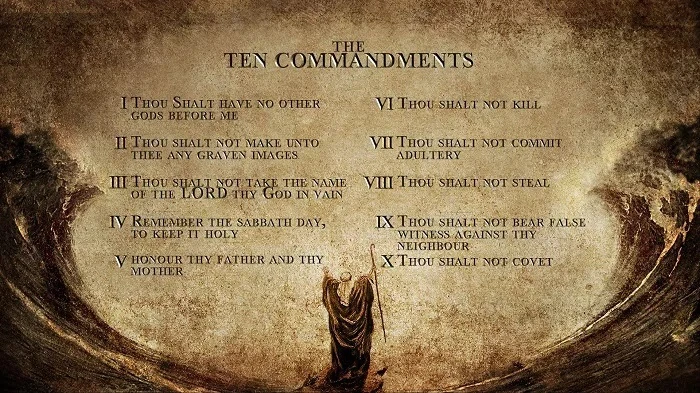
Moral impurity, on the other hand, is associated with sin, particularly violations of God’s commandments. Acts such as adultery, theft, idolatry, and dishonoring one's parents lead to moral impurity and, in many cases, require atonement through sacrificial offerings. The Book of Leviticus makes it clear that moral impurity is much more serious than ritual impurity because it represents a breach in the covenant relationship between God and Israel.
Types of Impurity in the Book of Leviticus
Impurity from Natural and Biological Processes
One of the most prominent forms of impurity discussed in the Book of Leviticus is ritual impurity, often resulting from natural bodily functions or experiences. In Leviticus 12, women who give birth are considered ritually impure for a period of time, depending on the gender of the child. For instance, a woman who gives birth to a male child is impure for seven days, while a woman who gives birth to a female child is impure for two weeks. Following the period of impurity, she must offer sacrifices to atone for her state of impurity and to be restored to full participation in religious activities.
Similarly, Leviticus 15 outlines impurity related to bodily discharges, such as menstruation or discharges from male or female genitalia. While these bodily processes are a natural part of life, they render an individual ceremonially unclean, making them temporarily excluded from participating in certain religious functions or coming into direct contact with sacred objects or places. The reason behind this ritual impurity is not the inherent sinfulness of these natural processes but their symbolic association with life and death, creation and decay, which stand in contrast to the holiness and purity of God.
Impurity from Contact with Death
The Book of Leviticus also associates impurity with contact with death. Leviticus 21:1-4 contains instructions for priests, prohibiting them from coming into contact with the dead except in certain circumstances, such as for close family members. The reason for this prohibition lies in the fact that death, as the ultimate consequence of sin, is seen as a symbol of impurity. Death represents the absence of life, and by extension, a disconnection from God’s divine presence. Thus, in a spiritual sense, coming into contact with death was viewed as an act that required purification.
This concept of impurity extends beyond individual priests to the entire community. Leviticus 11 outlines the laws of clean and unclean animals, and contact with certain creatures is considered impure. These laws served as a constant reminder to the Israelites of the need to maintain a distinction between the holy and the common, between life and death.
The Process of Purification
Purification Rituals for Ritual Impurity
In the Book of Leviticus, the process of purification from ritual impurity typically involves a combination of washing, waiting, and offering sacrifices. For example, in Leviticus 14, a person who has been healed of leprosy must go through a purification ceremony that includes the sacrifice of birds, the sprinkling of blood, and the washing of the person’s body and clothes. These rituals are designed not only to cleanse the individual physically but to restore their relationship with God by removing the stain of impurity.
The centrality of sacrifices in the purification process emphasizes that impurity, whether ritual or moral, creates a separation between the individual and God. Through purification rituals, the individual is restored to a state of holiness, capable of entering the presence of God. The sacrificial system laid out in Leviticus was not merely about physical cleanliness; it symbolized the need for atonement and reconciliation with God.
The Role of the Priesthood
The priests played a crucial role in managing impurity in the Book of Leviticus. They were not only the intermediaries between God and Israel but also the ones responsible for overseeing the purification processes. In cases of impurity caused by skin diseases, mold, or bodily discharges, the priest would assess the individual and determine the appropriate course of action. The priest was also responsible for overseeing the various sacrificial offerings, ensuring that these rituals were performed correctly and with sincerity.
The priesthood’s role in maintaining purity underscores the theological significance of holiness in the Book of Leviticus. Holiness is not simply an individual concern; it is a communal one. The purity of the community depends on the purity of the individual, and the priests are entrusted with guiding the people in maintaining that purity.
Moral Impurity and Atonement
Impurity Due to Sin
In addition to ritual impurity, the Book of Leviticus addresses moral impurity, which results from sinful actions. In Leviticus 16, the Day of Atonement (Yom Kippur) is instituted as a means of dealing with both individual and communal sin. On this day, the high priest performs elaborate rituals to atone for the sins of the people. The most notable element of this ritual is the scapegoat, which symbolically carries the sins of the people into the wilderness, signifying their removal and God’s forgiveness. This sacrificial system underscores the relationship between impurity and sin—moral impurity can only be cleansed through atonement.
Leviticus 17 emphasizes that the life of the flesh is in the blood, and it is through the blood of sacrifices that impurity is removed. This concept ties impurity directly to sin, with purification being achieved only through the shedding of blood. While ritual impurity is temporary and can be resolved through cleansing rituals, moral impurity requires deeper atonement through sacrifice.
The Call to Holiness and Separation from Impurity
Throughout the Book of Leviticus, God calls His people to be holy as He is holy. This call to holiness is not simply about external purity but about a fundamental transformation of heart and behavior. The laws in Leviticus are designed to shape the Israelites into a people who reflect God’s holiness, and the concept of impurity serves as a constant reminder of the need for separation from sin and corruption.
Leviticus 20 highlights this call to holiness by outlining punishments for various immoral acts, such as idolatry, sexual immorality, and child sacrifice. These laws illustrate that moral impurity leads to separation from God and the community, and such actions defile the land. The Book of Leviticus stresses that impurity, both ritual and moral, creates a barrier between the people and God, but through repentance and purification, reconciliation can occur.
Conclusion: The Significance of Impurity in Leviticus
The Book of Leviticus offers a profound exploration of impurity that extends beyond the physical realm to encompass spiritual and moral dimensions. Impurity in Leviticus is a multifaceted concept that underscores the sacredness of God’s presence and the need for His people to maintain purity. While ritual impurity represents a temporary and external condition, moral impurity reveals a deeper spiritual disconnection that can only be remedied through atonement and sacrifice. Through its emphasis on holiness, separation from sin, and the need for purification, the Book of Leviticus provides timeless lessons on the importance of living in alignment with God’s holiness and seeking restoration when we fall into impurity.































Sign in to leave a comment.