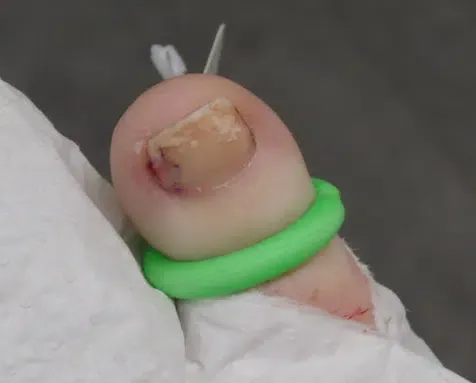

The most common foot condition affecting people of any age is nail fungus. It may begin as a minor discoloration, but it can develop into a persistent condition that affects nail strength, appearance and health. Most people with fungal infections are looking for a quick fix and ask: How can I cure my nail fungus the fastest?
Nail fungus is stubborn. The infection can take a long time to eradicate because the fungi are located beneath the nail. This is a difficult area to treat. Early diagnosis and professional treatment can improve the outcome of treatment and speed up recovery.
Understanding the treatment options available can help you select the best approach to prevent infection.
Understanding Nail Fungus
Onychomycosis is also called nail fungus. It affects the fingernails and toenails. The fungus is more prevalent in toenails because of the moist and warm environment within shoes.
It usually starts as a small white, yellow or brown spot under the nail. The nail can become:
- Thickened
- Brittle
- Crumbly
- Discoloured
- Shapes that are distorted
- In severe cases, it can be painful
If left untreated, the infection may spread to other nail surfaces and become more difficult to manage.
Why it is difficult to treat nail fungus
Nail fungus, unlike skin infections develops under the nail plate. The nail can act as a barrier to prevent medications from reaching the source of infection.
Nails grow slowly, which is another challenge. After the fungus is eliminated, the damaged nail must be gradually replaced by a healthy one. This process may take several months.
Toenail regrowth can take 9-18 months depending on age, health and nail growth rate.
What is the fastest treatment for nail fungus?
The severity of an infection will determine the most efficient and fastest treatment. A podiatrist's professional assessment can help determine the most effective treatment.
Oral Antifungal Medication
Oral antifungal medications are considered the most effective treatment for many mild to severe fungal infection.
These prescription drugs work by attacking the fungus under the nail.
The following benefits are included:
- Success rates are higher
- Treatment of deeper infections
- Multiple infected nail infections can be treated with this product
Oral medications may not be suitable for all patients and require monitoring because of possible side effects.
Topical Antifungal Treatments
Topical treatments include medicated lacquers and creams that can be applied directly to affected nails.
The following conditions are commonly treated with these treatments:
- Mild Infection
- Early stage fungal infections
- Patients who cannot take oral medications
Topical treatments, while effective in certain cases, require a consistent application for several months.
Laser Therapy
Laser treatment is gaining popularity for its non-invasive nature in nail fungus management.
Lasers can target fungi under the nail without damaging surrounding tissue.
Benefits include:
- No recovery time
- Minimal discomfort
- No daily medication
Laser therapy is a valuable component in a comprehensive treatment program, even though results may vary from person to person.
Professional Nail Abridement
Debridement is the process of carefully reducing thickness.
The podiatrist will use specialised instruments to remove the diseased nail, which allows treatments to penetrate better.
This can be achieved by:
- Comfortable seating
- Treatment effectiveness can be improved
- Reduce fungal load
To achieve the best results, many podiatrists combine antifungal treatment with debridement.
Can Home Remedies Cure Nail Fungus Quickly?
Most people will try home remedies first before seeking professional help. Common examples include:
- Tea tree oil
- Vinegar soaks
- Baking soda
- Hydrogen peroxide
- Essential oils
Although some of these remedies can reduce fungal growth to a certain extent, there is little scientific evidence that they are effective.
Most home treatments do not provide rapid relief, especially in the case of established infections. Delaying treatment can allow the fungus spread.
The Signs That You Should Visit a Podiatrist
Even though nail fungus can be viewed as cosmetic, it is important to seek professional advice if symptoms persist.
If:
- The nail becomes painful or thick
- Multiple nails are affected by the infection
- Diabetes is a serious disease
- The home treatment has failed
- Walking becomes uncomfortable
- The nail begins to separate from the nailbed
A podiatrist with experience can confirm if the nail disorder is indeed fungal.
How long does it take to cure nail fungus?
Patients are often surprised to discover that effective treatment takes patience.
Although the fungal infection may start to improve within a few weeks, visible improvement can take longer as new healthy nails are required.
Timeliness is usually measured in:
- Mild infections: several months
- Infections of moderate severity: six to twelve months
- Infections severe: up to 18 months
The faster you start treatment, the quicker the recovery will be.
How to prevent nail fungus from returning
If preventive measures aren't taken, it is not uncommon for the problem to recur.
Reduce the risk of reinfection
Dry and Clean Your Feet
Every day, wash your feet and thoroughly dry between the toes.
Replace socks regularly
Moisture promotes fungi growth. Fresh, breathable socks will help to keep your feet dry all day.
Wear Breathable Shoes
Avoid wearing footwear that is damp and choose shoes with air circulation.
Wear Protective Footwear In Public Areas
Sandals are appropriate for changing rooms, showers and swimming pools.
Disinfect shoes
Shoes can harbor fungi. Shoe disinfection is important to reduce the chance of a recurrence.
Trim Nails Properly
Keep your nails clean and short to minimize the chance of fungal growth.
Early Treatment is Important
The biggest mistake people make is to wait too long to seek professional advice.
Fungal infections are rarely harmless at first. Early intervention can mean:
- Shorter treatment times
- Better Results
- Reduced treatment costs
- Reduced risk of infection spreading
A professional diagnosis can also rule other conditions out, such as nail trauma or bacterial infections.
Finding Effective Nail Fungus Treatment in Perth
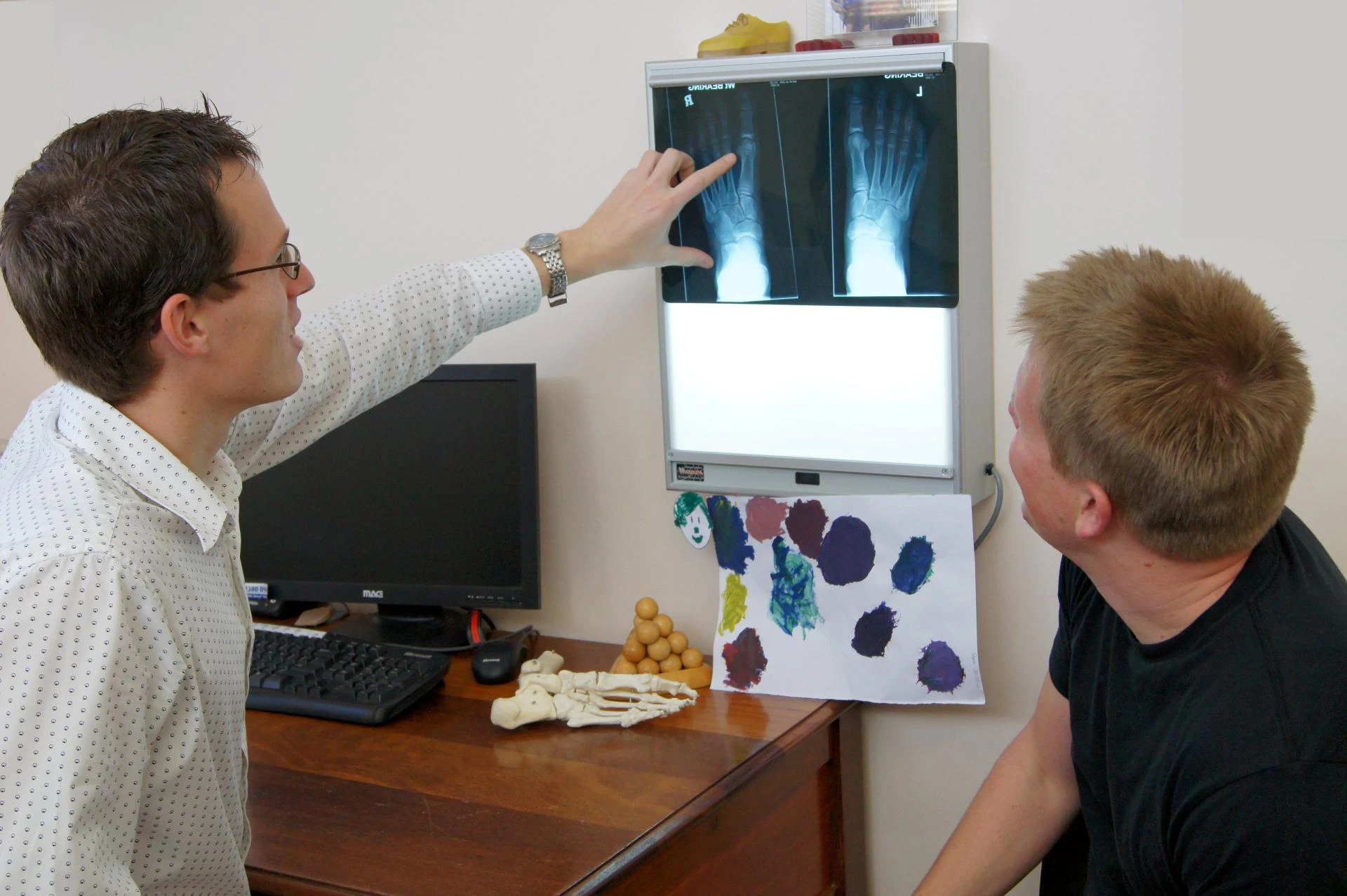
Professional podiatry can identify the root cause of thick, discoloured or brittle nail problems and suggest the best treatment.
Choose a clinic offering nail fungal treatment in Perth that provides comprehensive assessments, treatment options based on evidence, and tailored care to your specific condition.
Each fungal infection is unique. What may work for one patient, might not be the right solution for another. The underlying cause of the infection and its severity can be evaluated with a thorough examination.
The conclusion of the article is:
What is the fastest cure for nail fungus you can think of?
The fastest way to treat a fungal infection is by using a professional diagnosis, followed by specialized treatment. The severity of the infection can determine the best treatment. Laser therapy, oral antifungal medication, topical treatments and nail debridement are all options.
Early intervention can greatly increase the chance of a successful treatment. Healthy nails will also grow back. Ignoring an infection or using only home remedies can prolong recovery time and increase complications.
You can take the first steps toward better foot health and healthier nails by seeking out professional treatment for nail fungus in Perth.



























Sign in to leave a comment.