
Foot surgery is a wide range of procedures that are used to treat deformities, diseases, and pain in the feet and ankles. It's important to know what you can expect if you are considering foot surgeries in Perth. This guide covers the types of foot surgery available, common conditions, surgical methods, risks, recovery and Perth-specific information.
Why do you need foot surgery?
Foot and ankle disorders can be caused by:
- Deformities (e.g. bunions, hammertoes)
- Trauma / fractures
- Arthritis, or degenerative joint disease
- Soft tissue problems (tendons, ligaments)
- Neuromas, nerve compression
- Misalignments biomechanical
- Chronic pain, loss of function or inability to properly wear shoes
When conservative/non-surgical treatments (orthotics, physiotherapy, footwear modification, medications, injections, rest) fail, surgery may become necessary.
There are many types of foot surgery
Foot surgery is classified by structure (bones and joints, soft tissues, nerves), technique (open or minimally invasive), purpose (correcting deformity, relieving pain, restoring function). Here are some of the most common foot surgeries, along with their examples and, where applicable, how they're performed in Perth.
1. Bone (Osteotomy / Realignment) Surgery
This procedure involves cutting, reshaping or realigning the bones to correct deformities.
- Bunion Correction (Hallux Valgus) The big toe is deviated toward the second toe, causing a bump. To correct the problem, surgeons will perform osteotomies on the first metatarsal (or phalanx), remove the bump, loosen the tight tissues and re-fix bones with pins or screws. Perth clinics provide both open and minimally invasive (keyhole bunion) surgery.
- Weil Osteotomy is used to treat conditions such as metatarsalgia (pain in the ball of foot), or painful callus formation. This procedure realigns and cuts the tarsal bone. Dr Knox in Perth performs the procedure for metatarsalgia.
- Osteotomy to correct toe deformities: Sometimes, bone is removed or cut to straighten a toe.
2. Joint Surgery: Fusions, replacements, and resections
The aim of these procedures is to repair or replace joints that are damaged.
- Fusion (Arthrodesis) : When a joint has been badly damaged (arthritis, deformity or instability), fusion is performed to fuse two bones together. This removes motion from the joint, but reduces pain. Fusion of the big toe joint (first MTPJ) is an example. Perth surgeons perform the 1st MTPJ fusion.
- Joint replacement (Arthroplasty).: Less frequent for certain foot joints. However, severe arthritis in the ankle can be treated by ankle replacement. Perth Orthopaedic & Sports Medicine Center offers ankle replacement surgery.
- Cheilectomy : This is a partial removal of bone or bone spurs that relieves pain and improves motion, particularly in hallux rigidus. Perth clinics provide this treatment.
3. Soft Tissue Surgery
These involve tendons, ligaments, skin, nerves, etc.
- Tendon Reconstruction or Repair: Examples include Achilles tendon ruptures and severe tendonitis. The tendon may need to undergo surgical repair if it is torn. Perth clinics offer Achilles repair as one of their services. Ligament reconstruction: To restore the stability of the ankle, for example. After repeated ankle sprains or ligament rupture. Perth Orthopedic & Sports Medicine Center offers ankle ligament reconstruction procedures.
- Ingrown Toenail Surgery: Ingrown toenails that are chronically painful or infected. Even podiatric doctors can perform this procedure. Perth practices provide this service.
- Removal Of Soft Tissue Bumps, Ganglia,s Exostoses these are lumps and bony growths which may cause pain depending on their location.
4. Minimally Invasive Surgery / Keyhole Surgery
This is a surgical technique that uses smaller incisions and less tissue disruption. It is often performed under fluoroscopic guidance.
- Dr Ned Buckley, for example, offers minimally invasive Bunion Surgery in Perth. The procedure uses small (3 mm) incisions to cut the bone using burrs, while an X-ray is being taken live. Benefits: Less swelling, quicker recovery, smaller scars.
- When possible, many foot surgeries, such as on toes and other parts, move in this direction.
5. Arthroscopic Surgery
When treating joint problems, arthroscopy uses a small camera and small incisions. It helps treat cartilage damage, remove loose bodies, debride joints etc.
- Perth foot and ankle clinics provide arthroscopic ankle surgery as well as metatarsophalangeal joints arthroscopy.
6. Reconstruction & Deformity Correction
Reconstructive surgery may be needed for more severe or complex deformities that involve multiple bones and joints.
- Flatfoot correction is also known as high arched foot correction (cavus), or severe bunions with associated deformities.
- Severe toe deformities, combined surgeries (bunion + hammertoe, etc. ).
7. Other Types
- Fracture Surgery : Open reductions and internal fixation with plates and screws to realign the broken bones.
- Neuroma Surgery: Removing or decompressing painful nerve swellings (e.g. Morton's neuroma).
- Heel Surgery : For conditions such as plantar fasciitis, or to remove a Haglund deformity.
Foot Surgery in Perth
Here's an overview of what to expect if you decide to undergo foot surgeries in Perth.
Local Clinics and Providers
- Foot surgery centre Perth: Specialised podiatric doctors, offering minor ingrown nails procedures to complex deformity correcting.
- Dr Ned Buckley: Provides minimally-invasive procedures for bunions, toe surgeries and ankle surgeries.
- Perth Orthopaedic Specialty Centre: Offers foot and ankle surgical services, including minimally invasive bunions surgery.
- Perth Orthopaedic & Sports Medicine Centre : Wide range of foot and foot procedures (bunions) including tendon/ligament surgery.
Anesthesia, Setting and Recovery
- Depending on the severity, complexity and health of the patient, surgery may be performed as a day case, or require an overnight stay. Some bunion surgeries are performed as day cases or overnight.
- Anesthesia can be local, regional, sedation or general, depending on the procedure. Local/regional anesthesia may be used for minor surgeries (ingrown nails, minor osteotomies). Complex operations may need more.
- Post-operative care may include dressings, special footwear, reduced weight bearing and physiotherapy.
What to consider, what are the risks and limitations?
Foot surgery can improve alignment, function and pain. But it comes with risks.
- Swelling, pain, and stiffness after surgery; sometimes prolonged swelling
- Infection Risk, Especially in Feet
- Non-union or delayed healing after bone surgery
- Too much or too little alignment correction
- Change in foot shape, sometimes cosmetic concerns
- You may need to change your footwear or limit activity for a few weeks.
Not every patient will be a candidate. There are many factors to consider, including general health, circulation and nerve status, especially in diabetics, ability to follow rehabilitation, and patient expectations.
What to do if you need foot surgery
There are some signs that surgery may be the best option for you:
- The conservative treatments (orthotics and footwear changes, injections, physical therapies, etc.) have not been effective.
- The deformity is progressing or causing severe problems (pain in the feet, difficulty wearing shoes, toes that drift, skin breakdown, corns/calluses recurrently).
- Significant pain affecting daily life
- Functional limitations (walking sports work)
- Deformity or condition has reached a point where timely surgery can prevent further progression (e.g. Joint arthritis
What to expect if you get foot surgery in Perth
Here are some important details to consider if you're considering foot surgery Perth.
- Consultation & Assessment
- History of examination
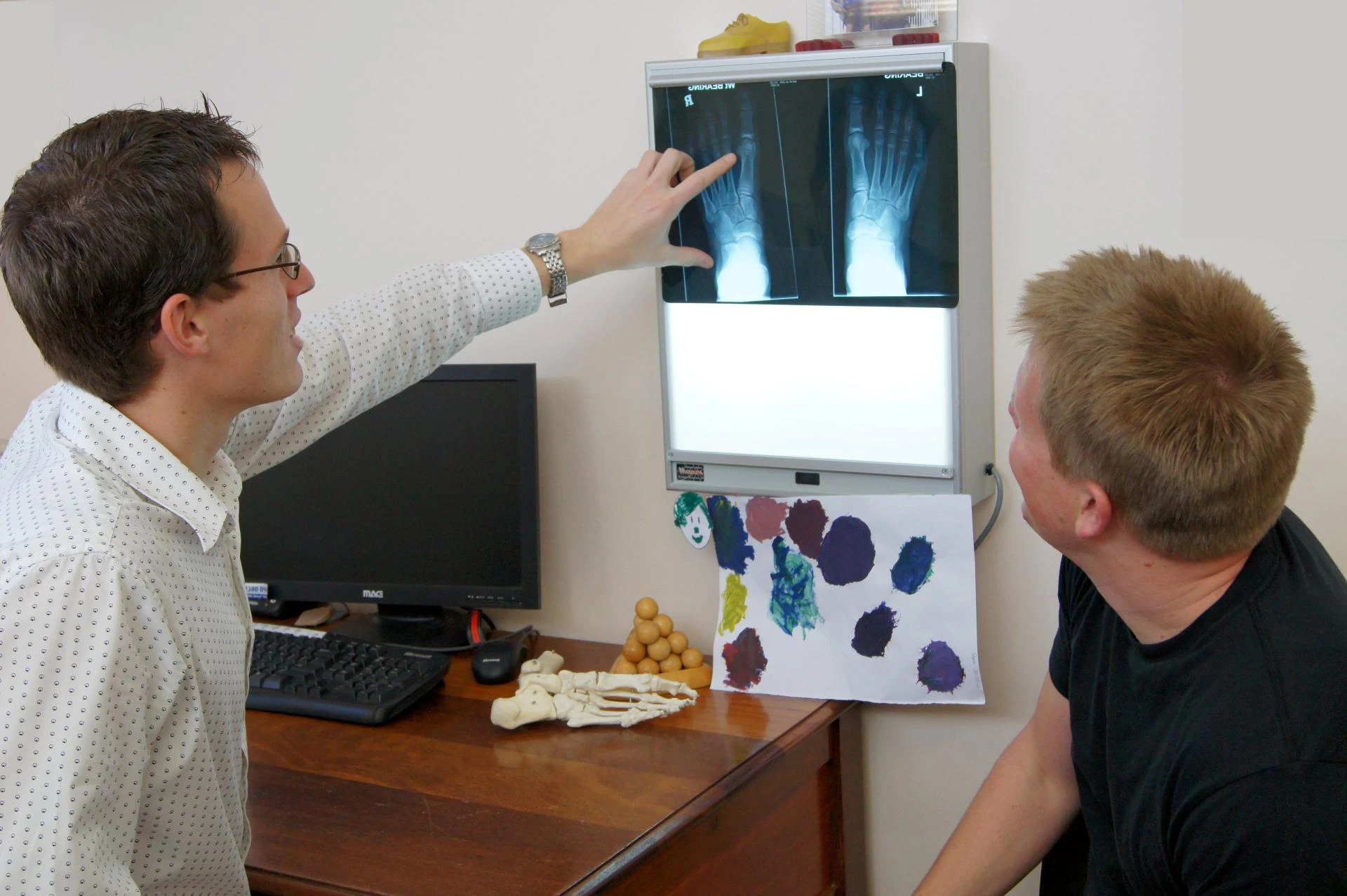
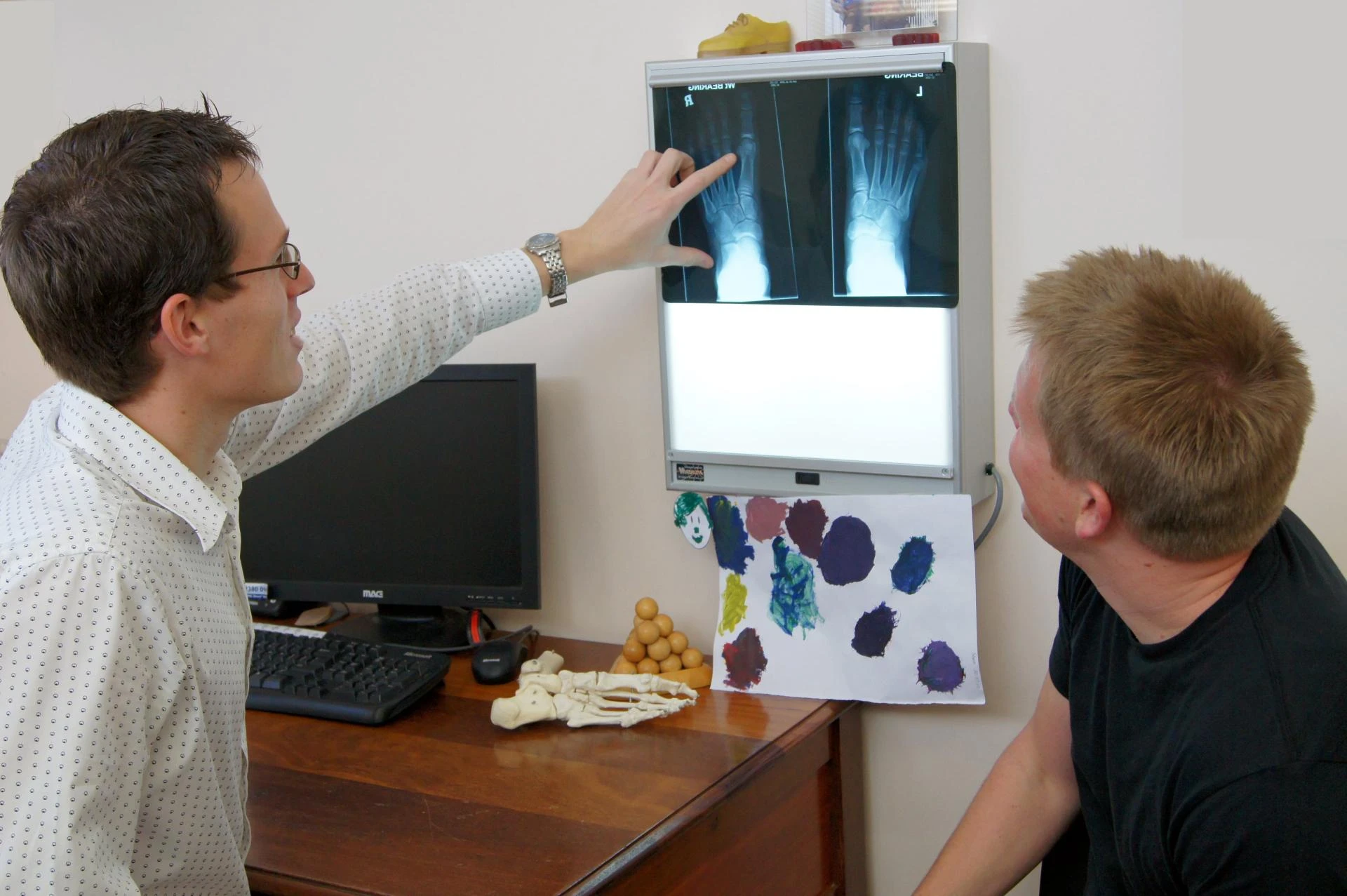
- Imaging (X-ray, possibly MRI, etc.)
- Discuss the surgical options (open or MIS), their expected outcomes and risks
- Planning & Scheduling
- Choose between a hospital or a day surgery centre
- Pre-operative health checks (blood tests, anaesthesia review).
- Decide on the type of anesthesia
- The Procedure
- Duration depends on the procedure (minutes or hours)
- Reduce trauma with a surgeon's approach. For example, minimally-invasive bunion surgery is performed using small incisions.
- Postoperative Care & Recovery
- Dressings and splints are possible, as well as a shoe or boot that is specially designed.
- Restricted mobility for healing; crutches and other mobility aids may be used
- Pain Management
- Follow-ups are necessary to monitor healing and adjust activity.
- Rehabilitation
- Strengthening and flexibility can be restored through physiotherapy or podiatry.
- Return to normal activities and footwear
- Expectations for Outcomes
- Pain relief, improved alignment, and improved function
- Results are dependent on severity, the procedure chosen, patient health and adherence to rehab
Foot Surgery in Perth - Examples and Case Types
These are real examples of specific surgeries performed in Perth.
- Dr. Brent Radford's minimally invasive bunions surgery: smaller incisions, less damage to soft tissues, and faster recovery.
- Metatarsalgia treatment in Perth (Weil Osteotomy) to relieve foot pain.
- Correction of claw and hammertoe.
The conclusion of the article is:
Foot surgery can be divided into different types of procedures depending on the problem: pain, deformity, injury or loss in function. It's important to consider the following when considering foot surgery in perth.
- Understanding the type of surgery that is right for you
- Choose the right option (open vs minimally-invasive)
- Assess risks and recovery requirements, choose reputable surgeons/clinics
- Be realistic in your expectations and follow through with the recovery plan




























Sign in to leave a comment.