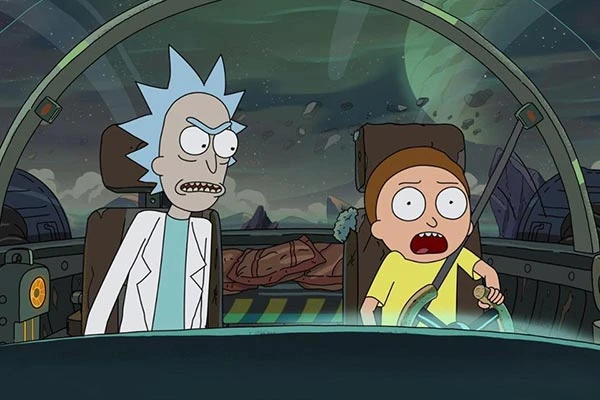

Understanding the Foundations of 2D Animation and Its Future
Before we explore the future of 2D animation, it’s essential to first understand the concept of animation itself. At its core, animation is the art of bringing still images to life through movement, creating the illusion of motion on screen. This unique blend of creative talent and technology allows images to become dynamic and full of life. As we delve into the history of animation, we’ll uncover how something as imaginative as cartoons has a rich and fascinating history, stretching back centuries.
The art of creating movement through images has ancient roots. One of the earliest tools to bring this concept to life was the Phenakistoscope, invented by Joseph Plateau in 1832. This device is considered the first real animation tool, laying the groundwork for what would evolve into modern animation techniques.
In India, animation has a history dating back to 1934, with the release of its first animated film Jambu Kaka, followed shortly by On a Moonlit Night, a film that featured a song and pushed the boundaries of animation in its time.
Why 2D Animation Will Always Be Important
What’s important to note is that 2D animation is the cornerstone of all other forms of animation. It served as the foundation for the development of modern animation, including computer-generated techniques. Without the innovations of 2D animation, advancements in 3D animation and other forms would not have been possible.
Today, 2D animation remains a favorite among audiences due to its accessible nature and universal appeal. Its simplicity makes it easy to engage with, and it captures the attention of viewers across all age groups. This makes it a valuable tool for both entertainment and education.
Debunking Myths About 2D Animation
Despite its enduring popularity, some misconceptions about 2D animation persist. Many people mistakenly believe that 2D animation is a thing of the past, overshadowed by the rise of 3D technology. While it’s true that 3D animation often requires less time to produce and can be simpler to execute, 2D animation remains a powerful and relevant form of storytelling.
The process of creating 2D animation is more intricate, often requiring the hand-drawing of characters and small adjustments for each frame. While this method can be time-consuming compared to 3D animation, it offers a level of craftsmanship and artistic detail that is hard to replicate.
Another common myth is that 2D animation is only for children. In reality, 2D animation spans all demographics, with its stories and characters appealing to people of all ages. Whether it’s TV shows, films, or commercials, 2D animation has a broad and diverse audience.
The Future of 2D Animation
Whether in 2D or 3D, imagination remains the driving force behind animation. It’s an art form that continues to captivate audiences across the globe. When we reflect on our childhoods, many of us fondly remember the classic animated characters and stories that have shaped our memories—whether it’s the adventures of Bugs Bunny, the dynamic duo of Tom and Jerry, or other beloved figures. These animations have become iconic, contributing to the legacy of the animation industry.
The use of animated characters in advertising also highlights the power of 2D animation. Characters like Vodafone’s ZooZoo are memorable and create strong emotional connections with viewers, making these campaigns highly effective. The influence of animation on both entertainment and advertising is undeniable, and its impact continues to grow.
Conclusion
The future of 2D animation is bright and full of potential. As technology advances, we are seeing innovations such as virtual reality and 360-degree videos pushing the boundaries of what’s possible in animated content. These technologies enhance the immersive experience, making animation even more captivating for viewers.
With ongoing industrial success and technological progress, the future of 2D animation looks promising. It's a thriving niche for career growth, and new opportunities continue to arise for creators and businesses alike. As the demand for animated content increases, the potential for growth and profitability in the 2D animation industry is immense.
Learning 2D animation can also be incredibly rewarding and fun. It allows you to create and bring your ideas to life. If you’re interested in learning from experts, feel free to reach out to us or enroll in our animation course in Siliguri. Let’s turn your creative dreams into reality.

















Sign in to leave a comment.