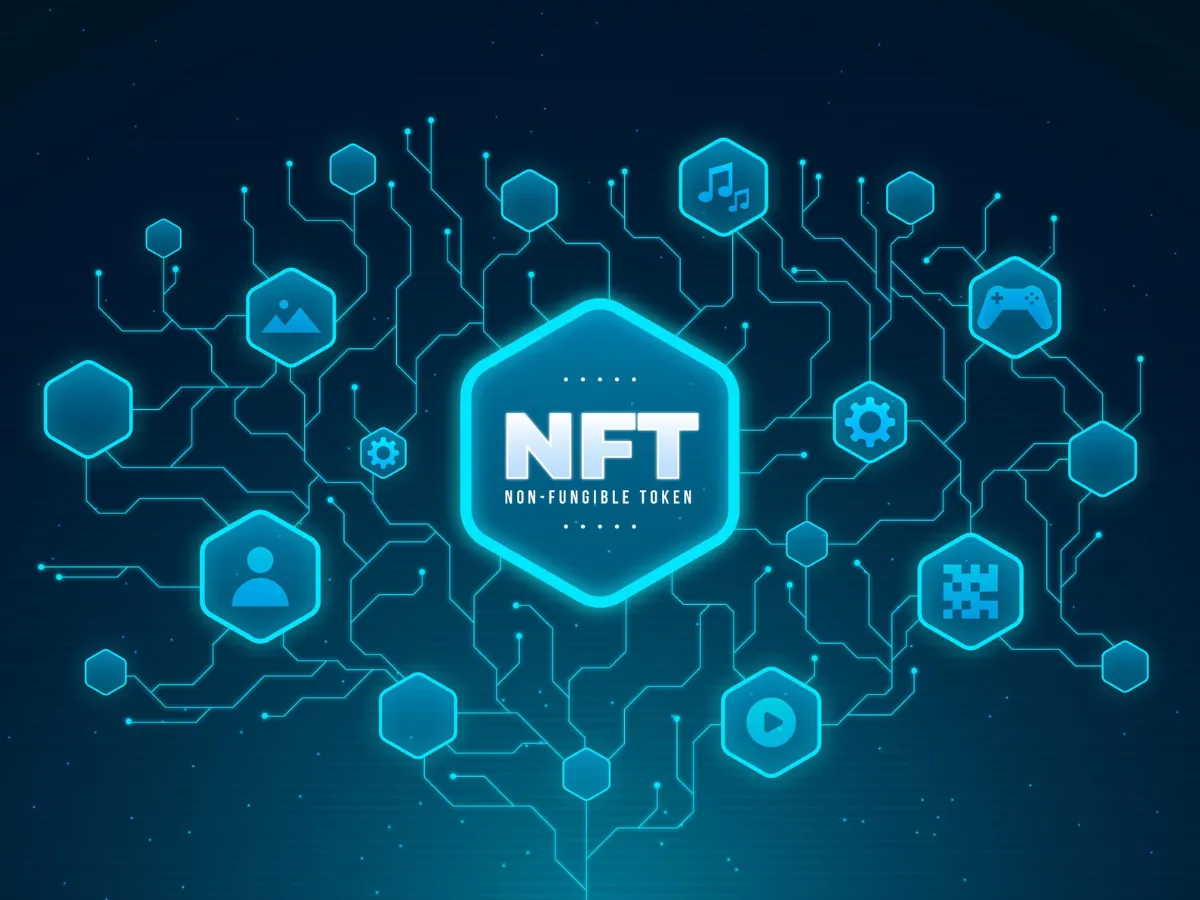

The NFT market has matured significantly over the past few years. While early adoption was largely driven by digital art and collectibles, businesses are now exploring NFTs as a practical technology for managing ownership, authentication, licensing, customer engagement, and tokenized assets. As blockchain infrastructure becomes more scalable and regulatory frameworks continue to evolve, NFTs are emerging as an important component of enterprise digital transformation.
In 2026, organizations across industries are adopting NFT technology to create verifiable digital ownership models, improve transparency, and unlock new business opportunities. Here are the key NFT development trends shaping the future of digital ownership.
1. Enterprise Adoption of NFTs
NFTs are increasingly being used beyond consumer applications. Enterprises are leveraging blockchain-based digital assets for intellectual property management, supply chain authentication, loyalty programs, digital memberships, and secure documentation.
Organizations are looking for scalable blockchain solutions that integrate with their existing systems while maintaining security and compliance.
2. Real-World Asset (RWA) Tokenization
One of the fastest-growing blockchain trends is the tokenization of real-world assets. Properties, luxury goods, artwork, financial instruments, and other physical assets can now be represented as NFTs with verifiable ownership records.
This improves transparency, simplifies transfers, and enables fractional ownership models that were previously difficult to implement.
3. AI-Powered NFT Platforms
Artificial intelligence is becoming an integral part of NFT ecosystems. AI can enhance NFT marketplaces through:
- Personalized asset recommendations
- Fraud detection
- Automated content moderation
- Intelligent search capabilities
- Collection analytics
- Dynamic pricing insights
Combining AI with blockchain creates smarter digital asset platforms that offer better user experiences while improving operational efficiency.
4. Multi-Chain NFT Development
Businesses no longer want to depend on a single blockchain network. Modern NFT platforms increasingly support multiple ecosystems such as Ethereum, Polygon, Solana, Avalanche, BNB Chain, and Base.
Multi-chain compatibility provides greater flexibility, lower transaction costs, improved scalability, and broader market access for both businesses and users.
5. Utility-Driven NFTs
The focus has shifted from speculative collectibles to NFTs that provide measurable value.
Examples include:
- Event tickets
- Loyalty rewards
- Membership access
- Software licenses
- Educational certificates
- Gaming assets
- Digital identity credentials
These applications demonstrate how NFTs can deliver ongoing functionality rather than serving only as tradable digital assets.
6. Greater Focus on Security
As blockchain adoption grows, security remains a top priority. Modern NFT applications increasingly incorporate:
- Smart contract audits
- Multi-signature wallets
- Secure wallet integrations
- Identity verification
- Anti-fraud mechanisms
- Royalty protection
Businesses investing in NFT development solutions should prioritize secure smart contract architecture, scalable blockchain infrastructure, and robust platform features to ensure long-term reliability and user trust.
7. NFT Integration with the Metaverse
Virtual environments continue to create demand for verifiable ownership of digital assets. NFTs enable users to own virtual land, digital collectibles, avatars, fashion items, and gaming assets that can move across compatible ecosystems.
As interoperability improves, NFT technology will play an increasingly important role in immersive digital experiences.
8. Regulatory Compliance
Governments worldwide are introducing clearer digital asset regulations. Businesses launching NFT platforms are placing greater emphasis on compliance measures such as:
- KYC verification
- AML procedures
- Data privacy
- Intellectual property protection
- Licensing requirements
Building compliance into NFT platforms from the beginning reduces legal risks and supports long-term growth.
9. Sustainable Blockchain Infrastructure
Environmental concerns have accelerated the adoption of energy-efficient blockchain networks. Proof-of-Stake ecosystems significantly reduce energy consumption while maintaining security and decentralization.
Organizations are increasingly selecting blockchain platforms based on sustainability, transaction costs, ecosystem maturity, and scalability.
10. Custom NFT Development for Industry-Specific Solutions
Every industry has unique requirements, making custom development increasingly important. Businesses are implementing NFT technology across sectors such as:
- Healthcare
- Real estate
- Education
- Finance
- Gaming
- Entertainment
- Supply chain
- Luxury goods
Organizations seeking tailored blockchain applications often invest in custom NFT development services that align with their business objectives, security requirements, and long-term digital asset strategies.
Final Thoughts
NFT technology has evolved well beyond digital collectibles. In 2026, it is becoming a foundational component of digital ownership, enabling businesses to build secure, transparent, and interoperable solutions across multiple industries.
As blockchain technology, AI, and tokenization continue to advance, organizations that adopt well-designed NFT strategies will be better positioned to create innovative digital experiences and unlock new revenue opportunities in the evolving Web3 economy.

























Sign in to leave a comment.