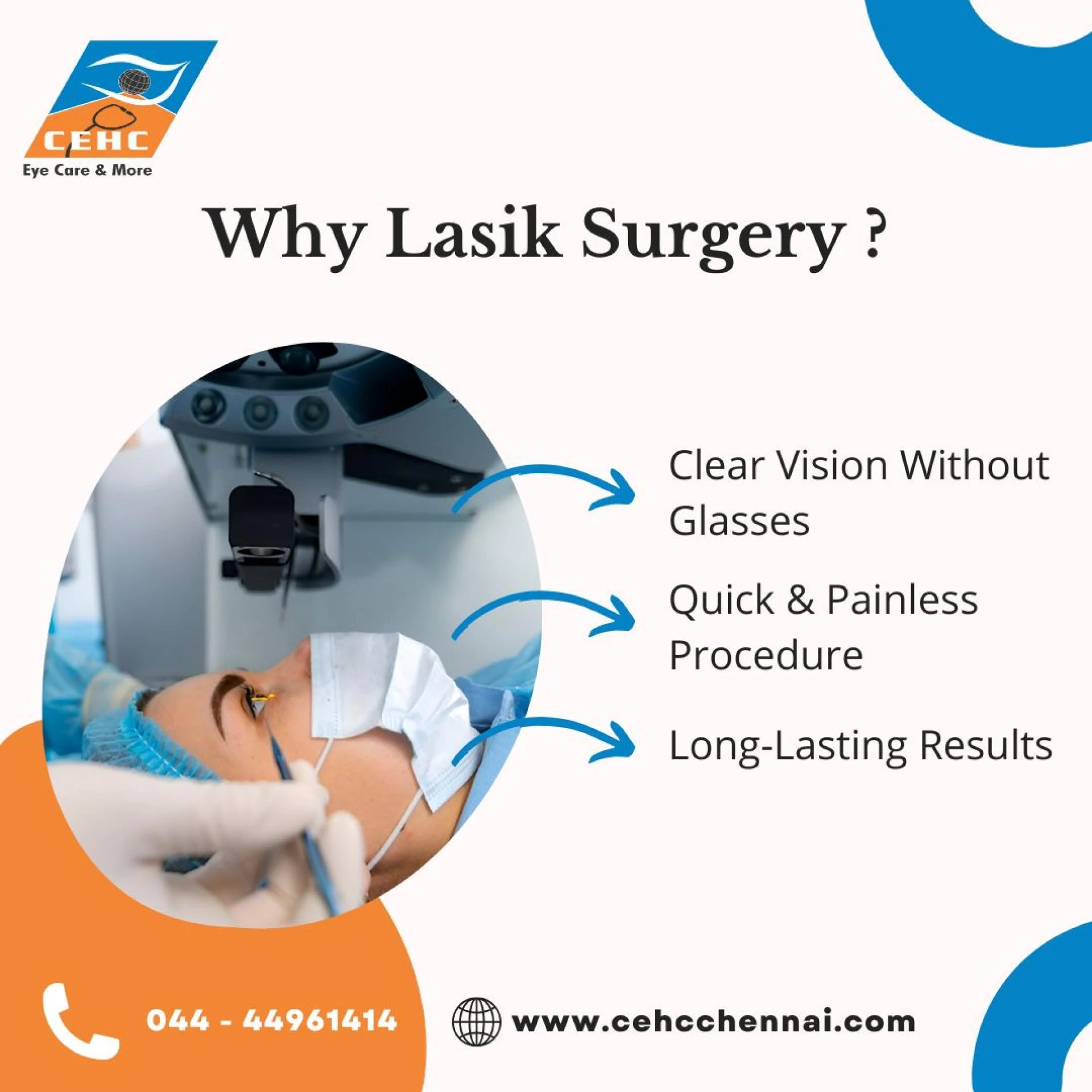

Laser-Assisted in Situ Keratomileusis (LASIK) is one of the most popular and effective surgical procedures for correcting refractive errors such as myopia (nearsightedness), hyperopia (farsightedness), and astigmatism. This vision correction procedure involves reshaping the cornea using a laser to enhance the eye’s focusing ability. However, a critical factor that determines the success and safety of LASIK is the corneal thickness. Understanding its importance can help potential candidates make informed decisions about their eligibility and expected outcomes.
Understanding the Role of the Cornea in LASIK
The cornea is the transparent front part of the eye that helps focus light onto the retina. During LASIK surgery, a thin flap is created on the cornea using a femtosecond laser or a microkeratome blade. The underlying corneal tissue is then reshaped using an excimer laser to correct the refractive error. The flap is repositioned, allowing for quick healing and minimal discomfort. Since the surgery involves altering the corneal structure, the thickness of the cornea is a crucial consideration in ensuring both safety and effectiveness.
Why is Corneal Thickness Important?
Determining LASIK Eligibility
LASIK is not suitable for everyone, and corneal thickness plays a major role in determining eligibility. A normal corneal thickness ranges between 500 to 600 microns. Generally, a minimum corneal thickness of around 480 microns is required for LASIK. If the cornea is too thin, performing LASIK could pose risks, such as ectasia (a condition where the cornea becomes unstable and bulges forward), leading to severe vision problems.
Safety Considerations
The primary concern when performing LASIK on a thin cornea is corneal ectasia, a progressive weakening of the corneal structure. Post-LASIK ectasia can cause distorted vision, similar to keratoconus, making corrective measures such as hard contact lenses or corneal transplants necessary. To prevent this, surgeons ensure that after tissue removal, a sufficient residual corneal thickness (typically 250-300 microns) remains to maintain corneal stability.
Effectiveness of Vision Correction
The amount of corneal tissue that needs to be removed depends on the severity of refractive error. Higher prescriptions require more tissue removal. If the cornea is too thin, it may not be possible to correct the refractive error fully without compromising safety. In such cases, alternative procedures like PRK (Photorefractive Keratectomy) or ICL (Implantable Collamer Lens) may be recommended.
Impact on Post-Surgical Healing
A cornea with adequate thickness heals more effectively after LASIK. A thinner cornea may take longer to recover and may be more prone to complications such as corneal haze, regression of vision correction, or irregular astigmatism, which can impact long-term visual clarity.
How is Corneal Thickness Measured?
To determine corneal thickness, eye surgeons in Thoraipakkam use a diagnostic test called pachymetry. There are two common types:
Ultrasound Pachymetry: A probe gently touches the cornea to measure thickness.
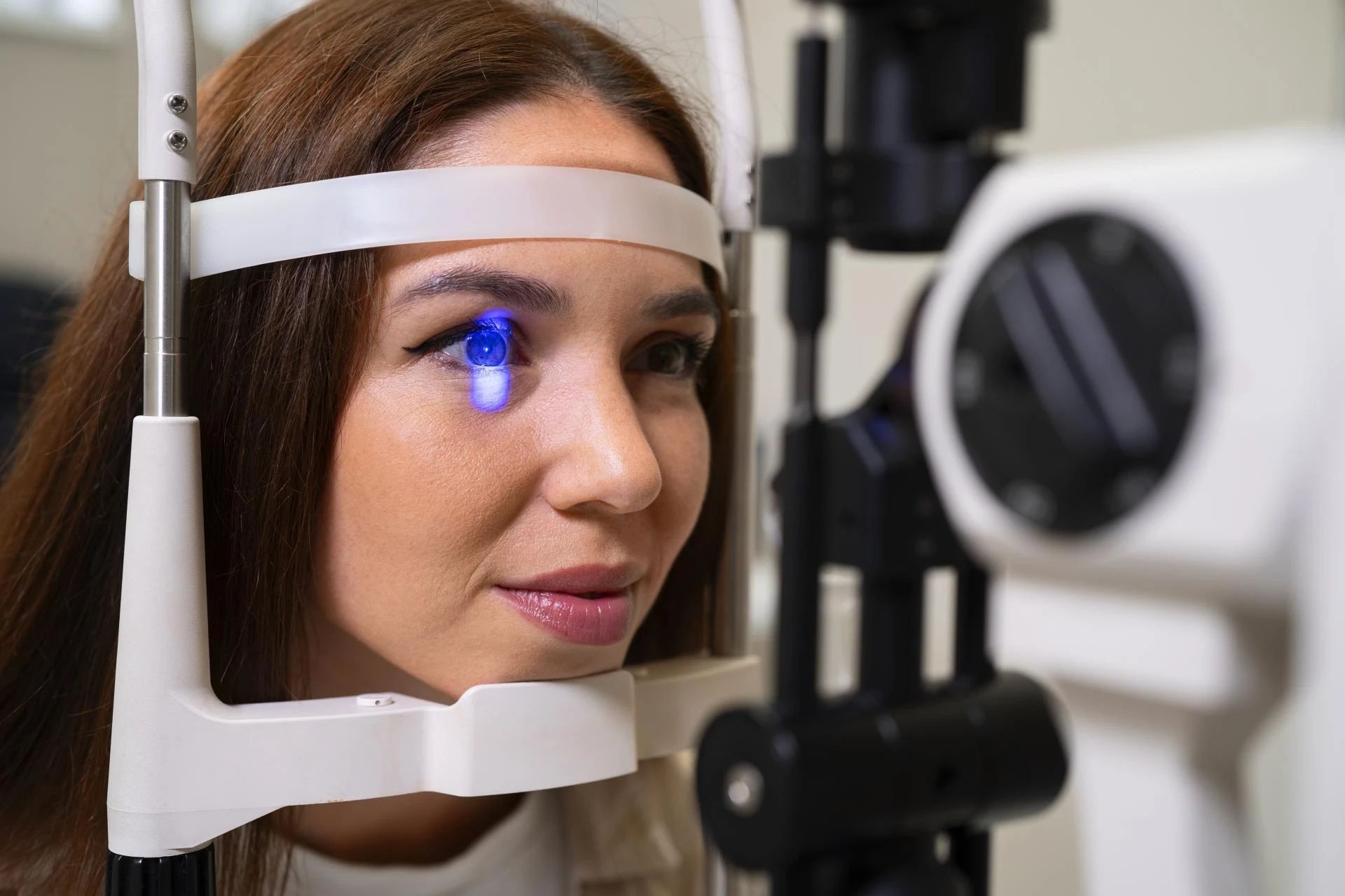
Optical Coherence Tomography (OCT) or Scheimpflug Imaging: These are non-contact imaging techniques that provide highly accurate measurements and detailed corneal maps.
These tests help surgeons assess whether LASIK is a viable option and ensure that the cornea can withstand the procedure without complications.
Alternatives for Patients with Thin Corneas
If a patient’s cornea is too thin for LASIK, alternative vision correction options may be considered, such as:
- PRK (Photorefractive Keratectomy): Unlike LASIK, PRK does not create a corneal flap but instead removes the outer layer of the cornea (epithelium), allowing for correction on the underlying tissue. This makes PRK a safer option for those with thinner corneas.
- SMILE (Small Incision Lenticule Extraction): A newer procedure that requires less corneal tissue removal, making it suitable for some patients with thinner corneas.
- ICL (Implantable Collamer Lens): A non-laser option where a special lens is implanted inside the eye to correct vision without altering corneal structure.
Conclusion
Corneal thickness is one of the most critical factors in determining the safety, effectiveness, and suitability of LASIK surgery. A thorough pre-surgical evaluation, including pachymetry tests, is essential to assess whether a patient is a good candidate. For those with thin corneas, alternative vision correction methods can provide safe and effective results. Consulting an experienced ophthalmologist at Dr Ashok Eye Hospital can help determine the best course of action for achieving optimal visual outcomes while maintaining eye health.




























Sign in to leave a comment.