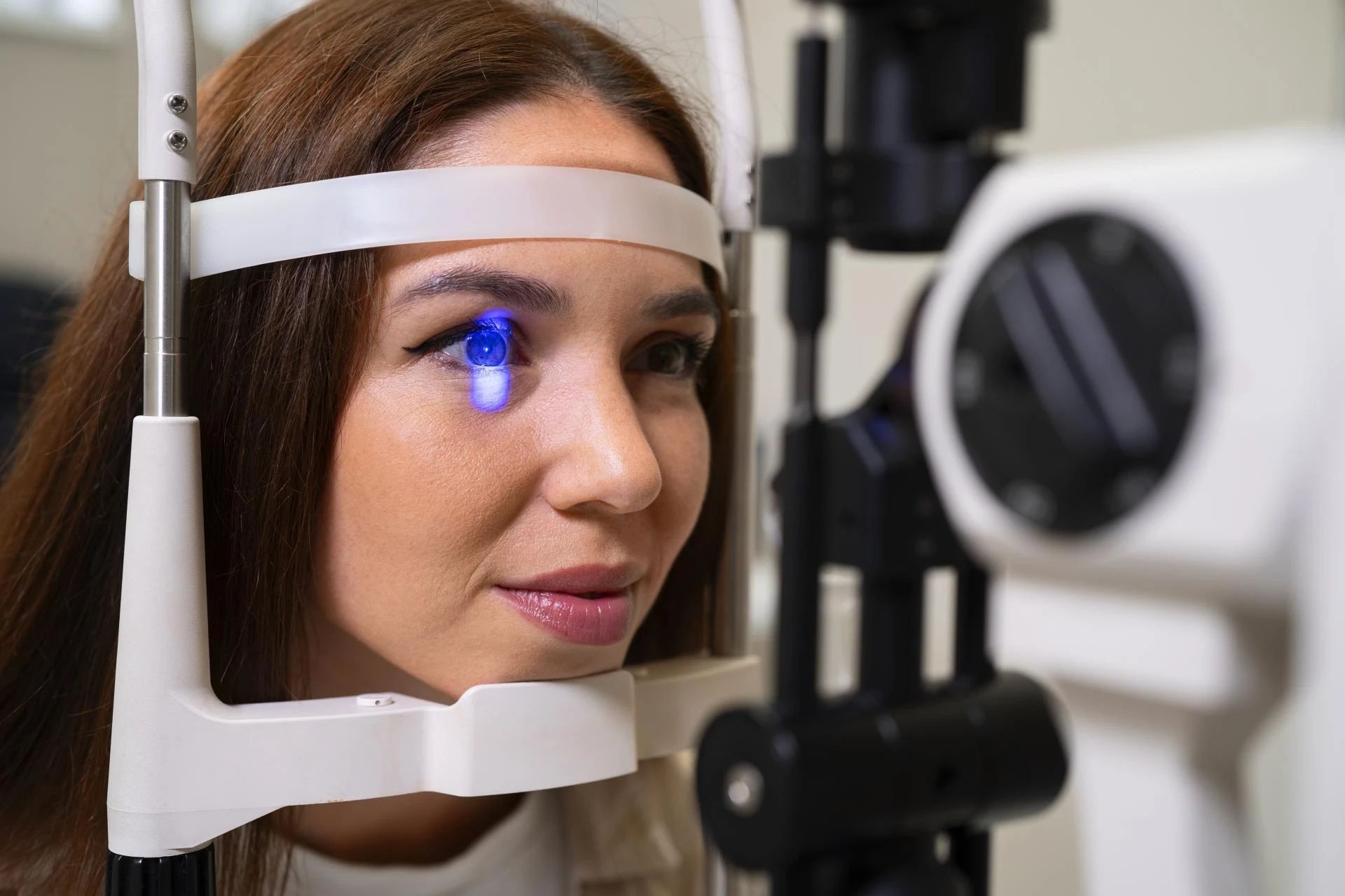
Over the past few decades, LASIK (Laser-Assisted in Situ Keratomileusis) has transformed from a futuristic concept into a routine and trusted method of correcting vision. By 2025, over 40 million LASIK procedures have been performed globally, with technological advancements continuously improving the precision, safety, and outcomes of the surgery. But the question still lingers in the minds of potential candidates: Is LASIK truly safe in 2025? Let’s explore the current landscape of LASIK and the latest innovations enhancing its safety and success.
A Quick Refresher: What Is LASIK?
LASIK is a refractive eye surgery that reshapes the cornea using a laser to correct common vision problems like nearsightedness (myopia), farsightedness (hyperopia), and astigmatism. The goal is to reduce or eliminate the need for glasses or contact lenses.
Traditionally, the procedure involves creating a thin flap in the cornea, lifting it, and using an excimer laser to reshape the underlying tissue. The flap is then repositioned without stitches. The entire process takes about 10 to 15 minutes for both eyes, with most patients reporting improved vision within 24 hours.
Is LASIK Still Safe in 2025?
Yes—LASIK is safer than ever in 2025. Thanks to improved diagnostic tools, laser precision, and patient screening protocols, the risk of complications has dropped significantly. According to the American Refractive Surgery Council, over 96% of patients report satisfaction with their LASIK results, and that number continues to climb.
Key Factors Enhancing LASIK Safety in 2025:
Advanced Imaging Technology:
Surgeons now use ultra-precise mapping systems like topography-guided and wavefront-guided imaging to create a 3D map of the eye. These maps ensure that the laser reshaping is tailored specifically to each patient’s eye anatomy.
Femtosecond Laser Technology:
Earlier, the corneal flap was made using a microkeratome blade. In 2025, the bladeless femtosecond laser has become the gold standard, offering more accuracy, faster healing, and reduced risk of complications.
AI-Assisted Screening and Surgery:
Artificial Intelligence is now aiding surgeons in determining the best candidates for LASIK and optimizing the laser pattern. AI helps reduce human error and ensures better visual outcomes.
Real-Time Eye Tracking Systems:
Modern LASIK systems feature high-speed eye tracking to follow even the slightest eye movement during surgery. This ensures that the laser remains accurately targeted at all times.
Customized Treatment Plans:
Surgeons no longer rely on a one-size-fits-all approach. Custom LASIK surgrey take into account pupil size, corneal thickness, tear film stability, and other biometric data to enhance both safety and results.
Common Concerns and How They're Addressed
1. Is LASIK Painful?
Not at all. LASIK is performed under local anesthetic eye drops. Patients might feel slight pressure, but the procedure is painless. Post-surgery, mild irritation or dryness may occur temporarily.
2. What About Long-Term Side Effects?
In the past, some patients reported glare, halos, or dry eyes after LASIK. With newer technology in 2025, these side effects have been significantly minimized. Surgeons also pre-screen for dry eye conditions to better manage outcomes.
3. Can LASIK Correct Age-Related Vision Loss?
LASIK is effective for refractive errors, but not for presbyopia (age-related difficulty in seeing up close). However, new blended vision techniques and combined LASIK + intraocular procedures are being explored to offer comprehensive correction.
Who Should Avoid LASIK?
Despite the safety and precision, LASIK is not suitable for everyone. In 2025, surgeons continue to follow strict eligibility criteria. LASIK may not be ideal for:
- Individuals under 18 (vision still developing)
- Pregnant or nursing women
- Those with thin corneas
- Patients with autoimmune disorders or unstable vision
- Those with severe dry eye syndrome
Alternatives such as SMILE surgery, PRK (Photorefractive Keratectomy), or Implantable Collamer Lenses (ICLs) are offered for patients who don't qualify for LASIK.
The Future of Eye Surgery: Beyond LASIK
While LASIK remains a leading choice, newer innovations are emerging in 2025, such as:
- SMILE (Small Incision Lenticule Extraction): A minimally invasive laser procedure with no flap creation.
- PresbyLASIK: A variation designed to correct both distance and near vision in one go.
- Light-Adjustable Lenses (LALs): Implanted lenses that can be fine-tuned post-surgery using UV light.
These technologies are expanding the possibilities of vision correction well beyond what LASIK alone can achieve.
Final Thoughts
In 2025, LASIK remains a safe, effective, and life-enhancing procedure for millions of people worldwide. The combination of cutting-edge lasers, AI-powered diagnostics, and personalized treatment planning has raised the safety bar higher than ever before. If you’re considering LASIK, consult with a qualified ophthalmologist at Dr Ashok Eye Hospital to assess your candidacy and understand the best options available for your eyes.
Clearer vision is no longer a dream—it’s science at its finest.




























Sign in to leave a comment.