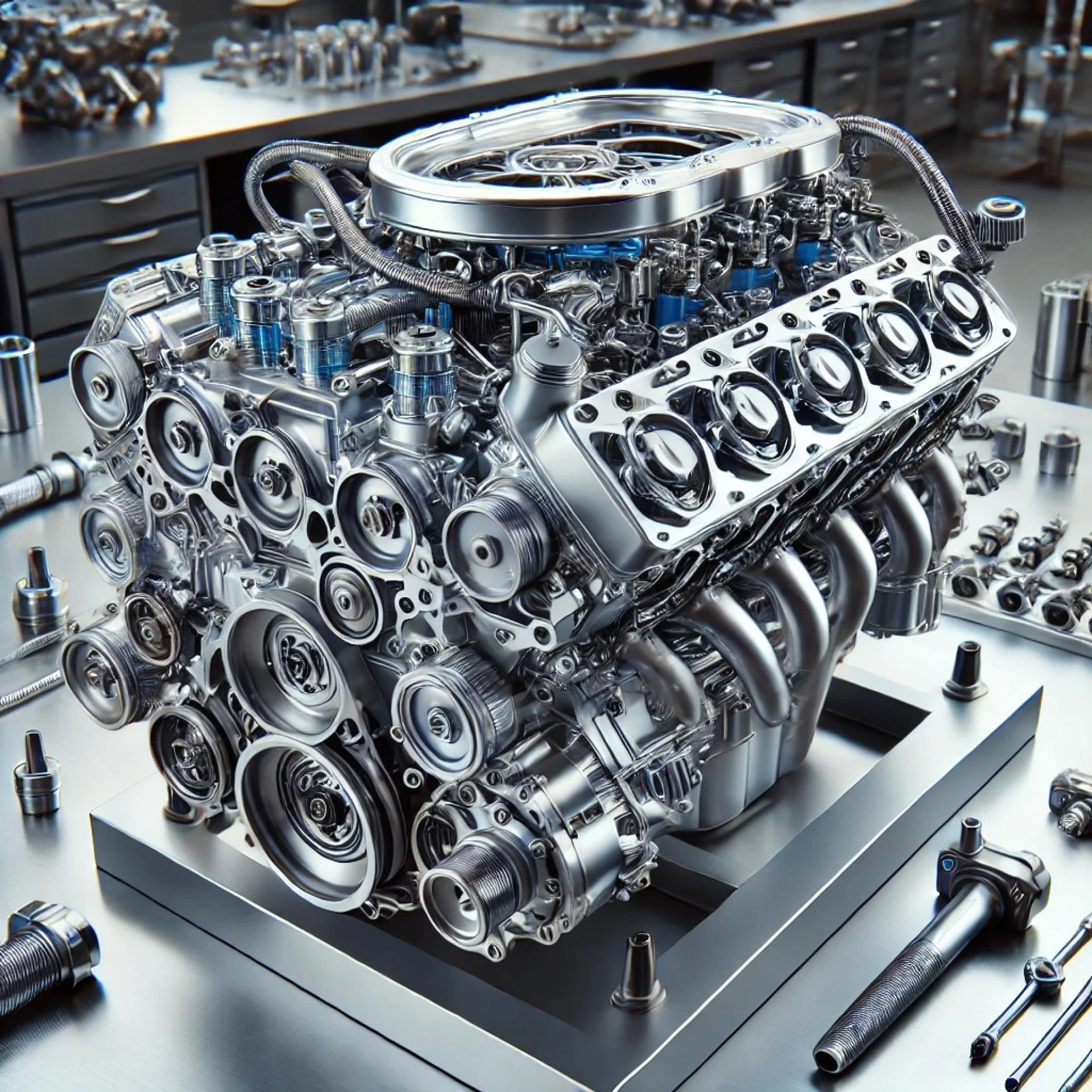

The VR6 engine is one of the most distinctive and innovative engines ever produced by Volkswagen. Known for its compact design, smooth power delivery, and unmistakable sound, the VR6 has earned legendary status among performance enthusiasts and daily drivers alike. Whether you’re researching a replacement motor, planning an engine swap, or simply curious about what makes the VR6 so special, this article explains everything you need to know.
What Is the VR6 Engine?
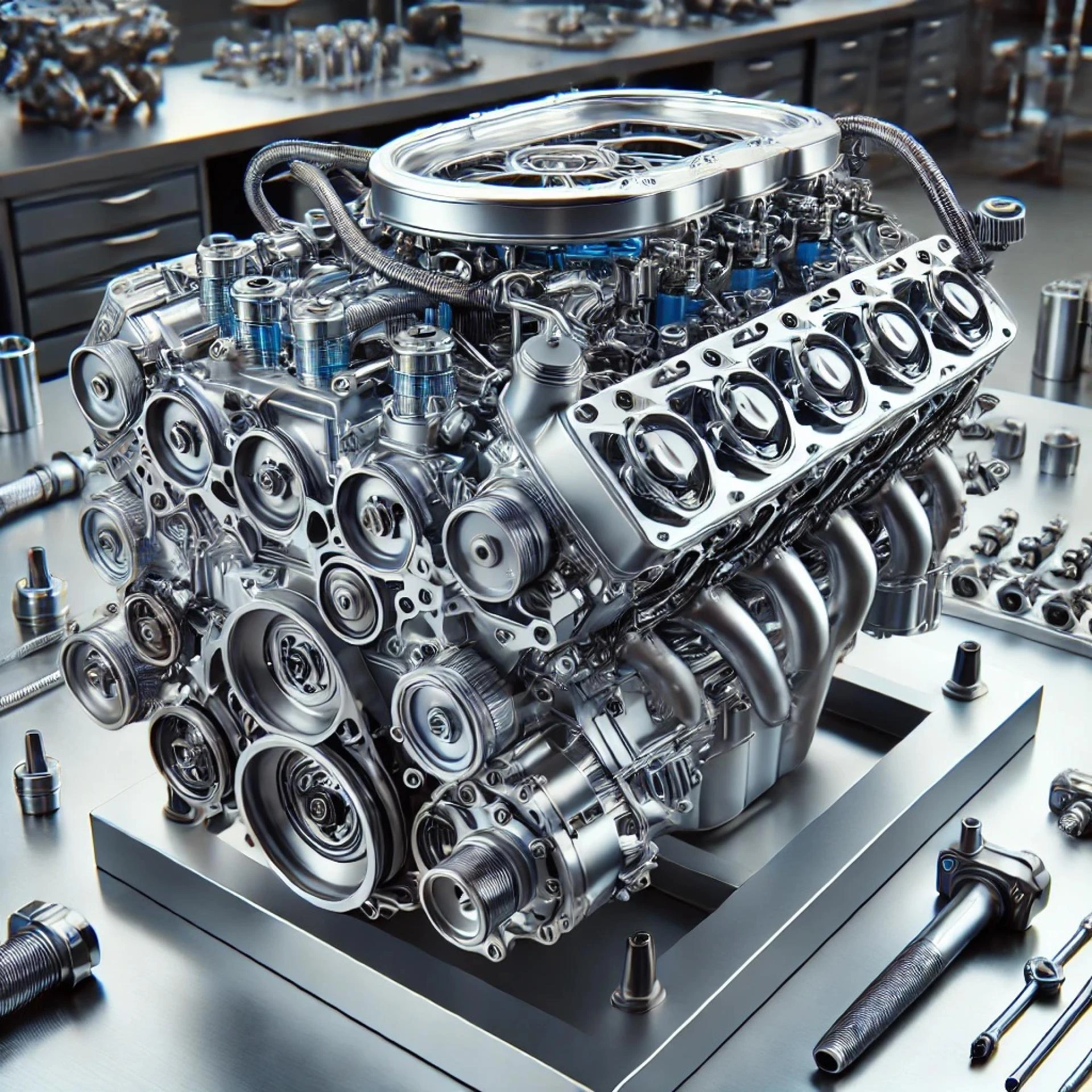
The VR6 engine is a narrow-angle V6 engine developed by Volkswagen in the early 1990s. Unlike traditional V6 engines that use a wide V-angle, the VR6 uses an extremely narrow angle (about 10–15 degrees), allowing both cylinder banks to share a single cylinder head.
This unique layout lets the VR6 fit into vehicles originally designed for four-cylinder engines, making it revolutionary at the time.
VR6 Engine Specifications (Common Variants)
Although specs vary by generation, typical VR6 configurations include:
- Engine Type: Narrow-angle V6
- Displacement:
- 2.8L VR6
- 2.9L VR6
- 3.2L VR6
- 3.6L VR6
- Horsepower: 172–300+ HP
- Torque: 177–280+ lb-ft
- Block Material: Cast iron (early), aluminum (later versions)
- Valvetrain: DOHC or SOHC (depending on version)
- Aspiration: Naturally aspirated (some turbocharged builds exist)
The combination of compact size and V6 power is what sets the VR6 apart.
Vehicles That Use the VR6 Engine
The VR6 has powered many iconic Volkswagen and Audi models, including:
- Volkswagen Golf VR6
- Volkswagen Jetta VR6
- Volkswagen Passat VR6
- Volkswagen Corrado VR6
- Volkswagen Touareg VR6
- Volkswagen Atlas VR6
- Audi TT (VR6 variants)
Its adaptability has also made it popular for custom swaps and performance builds.
Why the VR6 Engine Is So Popular
1. Compact Design
The narrow-angle layout allows a V6 to fit where only a four-cylinder normally would.
2. Smooth Power Delivery
The VR6 offers excellent torque across the RPM range, making it great for daily driving.
3. Unique Exhaust Sound
The VR6 has a deep, aggressive tone that enthusiasts instantly recognize.
4. Strong Aftermarket Support
Cams, intakes, exhausts, tuning solutions, and forced-induction kits are widely available.
5. Reliable Construction
With proper maintenance, VR6 engines commonly exceed 200,000 miles.
Common VR6 Engine Problems
While generally reliable, some known issues include:
- Timing chain wear (especially on higher-mileage engines)
- Cooling system failures
- Ignition coil issues
- Oil leaks from valve cover or timing cover
- Carbon buildup on direct-injection models
Routine maintenance significantly reduces these risks.
What to Check Before Buying a VR6 Engine
If you’re shopping for a VR6 engine for sale, always inspect:
- Timing chain condition
- Compression test results
- Cooling system health
- Oil consumption
- Mileage and service history
- Warranty coverage
A well-maintained VR6 is a long-lasting investment.
Performance Potential of the VR6 Engine
The VR6 responds well to upgrades such as:
- Performance intake and exhaust systems
- ECU tuning
- High-lift camshafts
- Turbo or supercharger kits (popular on 2.8L and 3.2L variants)
Modified VR6 engines can comfortably exceed 400–600 HP with proper internal upgrades.
VR6 Engine – Final Thoughts
The VR6 engine remains one of the most innovative engine designs ever produced. Its compact size, smooth torque delivery, unique sound, and strong performance potential make it a favorite among Volkswagen enthusiasts and engine swap builders. Whether you’re restoring a classic VR6-powered vehicle or planning a custom build, the VR6 offers a rare blend of practicality and performance that few engines can match.


























Sign in to leave a comment.