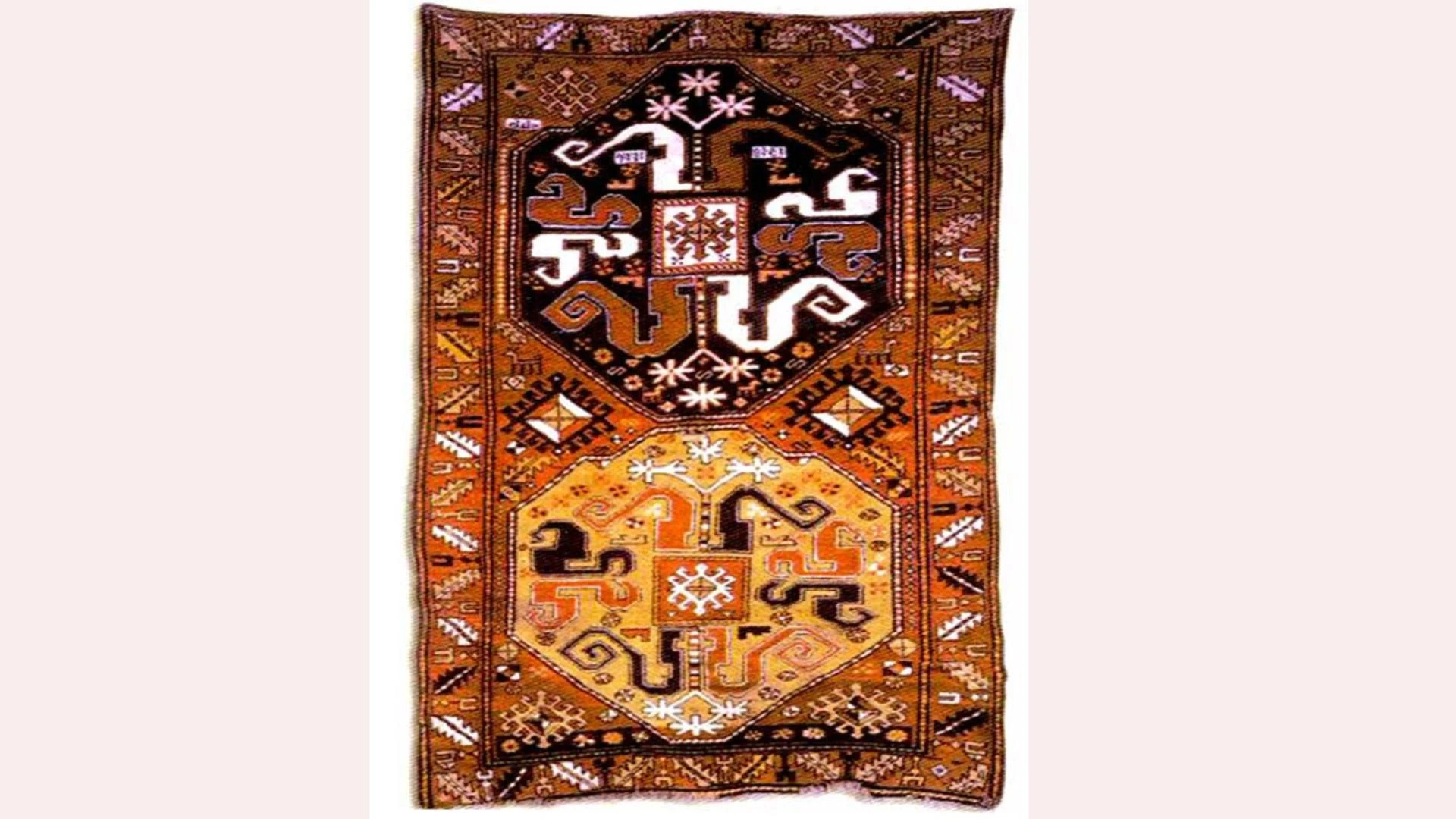
Have you ever stared at a rug and wondered how it stays together? Karabakh Rugs are super cool because they last a long time and look amazing. The secret is in the knots. Yep, tiny knots tied by hand make these rugs strong and pretty. This guide will show you what kind of knots are used, why they matter, and how to spot them.
Karabakh Rugs are from a place called Karabakh. People there have been making rugs for a long time. These rugs are not just for floors; they tell stories and show off old traditions. But if you want to really get them, you need to understand how the knots work.
Table of Contents
- What Makes Karabakh Rugs Special
- Why Knots are Important
- The Main Knot Used in Karabakh Rugs
- Other Knots You Might See
- Knot Density and Rug Quality
- How to Spot Knots in a Rug
- Key Takeaway
- Frequently Asked Questions
What Makes Karabakh Rugs Special
Karabakh Rugs stand out because they have big shapes, flowers, animals, and fun patterns. They are strong too. People made them to last, not just to hang on walls.
Most rugs use thick wool. This wool works well with knots. The knots hold the yarn tight. That’s why Karabakh Rugs can survive years of walking and sitting on them.
Why Knots are Important
Knots are like the glue in the rug. Each knot holds the threads together. The kind of knot changes how the rug feels and how long it lasts.
Here’s what knots do:
- Keep the rug strong
- Make the patterns clear
- Make the surface soft or rough
- Decide how long the rug lasts
If the knots are loose, the rug can fall apart fast. If they are tight, the rug lasts forever. That’s why knotting is a big deal.
The Main Knot Used in Karabakh Rugs
The main knot is called the symmetrical knot, or Turkish knot. It loops evenly around two threads. This knot makes the rug strong and keeps the patterns sharp.
Why do weavers like it?
- It makes the rug strong
- Patterns look bold and clean
- Works well with thick wool
This knot is why Karabakh Rugs can take a beating and still look good.
Other Knots You Might See
Not every Karabakh Rug uses the same knot. Some rugs have small changes depending on the weaver or village.
Open Back Knot
Some rugs have wider knots. This makes the rug soft and easier to make. The patterns might not be super sharp, but the rug feels cozy.
Mixed Knots
Sometimes, weavers mix knots in one rug. It can happen if more than one person works on it. Mixed knots make the rug feel unique and handmade.
Knot Density and Rug Quality
Knot density is how many knots fit in a small space. Karabakh Rugs usually have medium density.
- High density = super detailed patterns, soft feel
- Medium density = strong rug, thick and warm
Weavers wanted rugs that lasted and looked good. Medium density was perfect.
How to Spot Knots in a Rug
You don’t need to be an expert. Here’s how:
- Flip the rug
- Look at the back
- Symmetrical knots make small bumps
- Patterns stay bold
- Press the rug to feel its strength
It’s like checking if a cake is baked all the way. Look and touch, and you’ll know.
Important Note
Karabakh Rugs are strong, pretty, and last long. The main trick is the symmetrical knot. Medium knot density keeps them tough but comfy. Every knot is part of the story the rug tells. Once you know the knots, you see more than a rug; you see art made by hands.
Frequently Asked Questions
- What knot is in Karabakh Rugs? Most use the symmetrical knot. It keeps the rug strong.
- Are Karabakh Rugs hand made? Yes. Every knot is tied by hand.
- Does knot density matter? Yes. More knots = more detail. Medium knots = stronger rug.
- How long does it take to make a Karabakh Rug? It can take months, depending on size and number of weavers.
In the END!
So next time you see a Karabakh Rug, look closer. Every knot has a story, and every rug shows skill passed down for generations. They are not just rugs; they are history under your feet!






















Sign in to leave a comment.