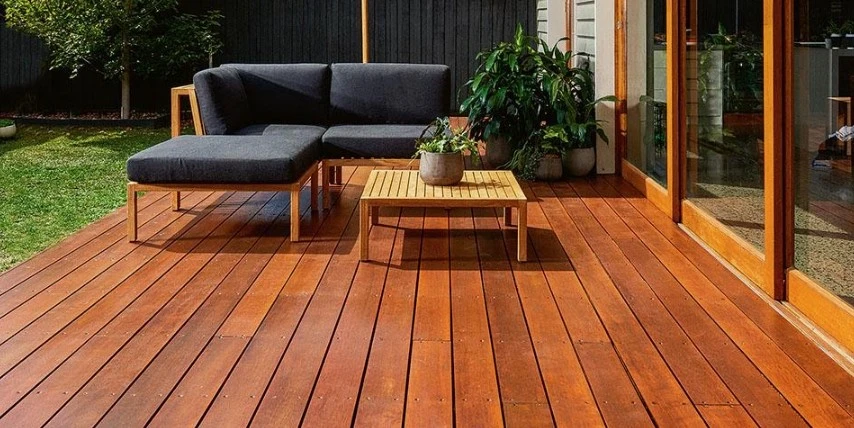

Building a deck can add joy to your home, but making it last takes smart choices. From the start, every board, nail, and plan shape how strong your deck becomes. Before you pick up tools, understand what keeps a deck standing for years.
A lasting deck feels safe, looks neat, and stays firm in wind and rain. Whether you want a quiet space to rest or a spot for friends to gather, you need a smart plan. Every step matters—from airflow to cleaning.
This guide walks you through how to build with care. You’ll also explore how materials like timber wood decking and composite wood decking perform in daily life.
Plan with Purpose Before You Build
Every great deck starts with a plan. Think carefully before cutting wood. Picture how you want to use the space. Will it hold chairs? Will kids play there? Will a grill sit on top?
Planning early helps avoid mistakes later. Study your yard. Look at sunlight, wind, and rain. Sketch a layout on paper or mark the ground with chalk. Step through it. Turn corners. Pretend to carry food across it.
That walk-through often reveals better ideas. A deck that works well begins with a layout that fits your life.
Pick Materials That Match Your Needs
Deck boards must fight off the sun, rain, shoes, and spills. Your choice of wood affects how long the surface holds up. The two main types are natural wood and blended materials.
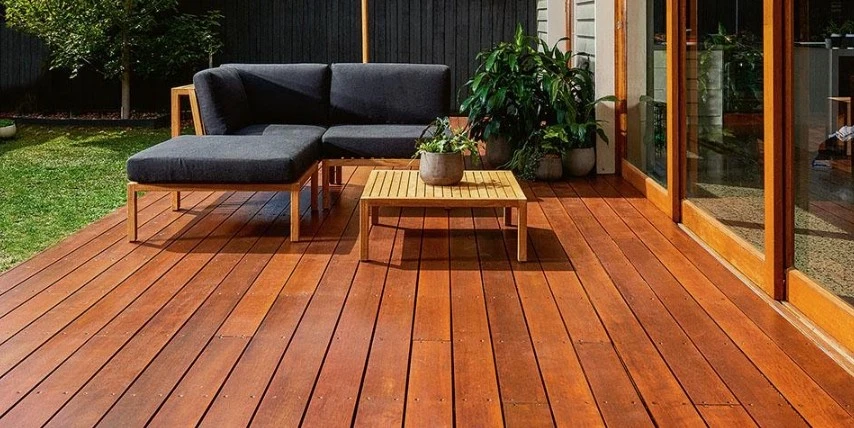
Timber Wood Decking feels warm and looks rich. It comes in many shades and smells nice when fresh. But it needs regular care. You must seal it, clean it, and check for rot or splinters each year.
Composite Wood Decking mixes wood dust with plastic. These boards resist cracks, bugs, and rot. They don’t need oil or paint. You just wash them with soap and water. They cost more at the start, but last longer with less work.
Pick the one that suits your time and taste. If you like a natural look and don’t mind the work, choose timber. If you want easier care, composite may be the better fit.
Frame the Deck for Strength
A deck needs strong bones under the boards. The frame supports all the weight and keeps the surface steady. Weak frames cause boards to bend or twist over time.
Use treated timber for the frame. This kind of wood stands up to damp weather. Place each support board the right distance apart. Too wide, and the boards droop. Too close, and you waste wood.
Hammer in galvanised screws instead of nails. Screws grip tighter and don’t wiggle loose. They also stop rust from creeping in. A strong frame gives your deck a solid heart.
Let Water Drain and Air Flow Freely
Water causes decks to rot. You need to let rain slide off the surface and dry out fast. Build the deck with a small slope. That way, rainwater flows away from the house.
Leave narrow gaps between boards—about the width of a pencil. These gaps let water escape and stop mould from growing.
Air should move under the deck, too. Good airflow dries wet wood and keeps the space cooler. This matters most if you install composite wood decking, which can swell when heat builds up.
Fasten Boards with the Right Tools
Boards must stay put. If fasteners fail, the deck feels loose and unsafe. Use strong decking screws instead of nails.
Pick fasteners that:
- Resist rust and stay firm
- Match the type of board (wood or composite)
- Sit flat or below the surface
Drill the screws deep enough so the feet won’t catch on them. Cover screw holes with plugs to stop water from seeping in. Good fasteners hold the whole deck together through storms and heavy use.
Seal and Protect the Surface
Rain, dirt, and sunlight wear down wood. A proper seal keeps the surface smooth and steady.
For Timber Wood Decking, rub in outdoor oil once a year. Brush off the dust first. Work the oil into the wood with a soft cloth or roller. Let it soak, then apply a second coat.
Composite wood decking doesn’t need oil. Just clean it well with warm water and mild soap. Use a soft brush to remove grime. Stay away from harsh scrubbers or chemicals.
Both types of decking need regular care. Even sealed boards gather dirt that wears them down if left too long.
Add Small Details That Protect
Some simple extras make a big difference. For example, use tape on top of support beams. This keeps water out of hidden cracks.
Choose rounded boards or sand sharp edges. This prevents splinters and makes the deck feel smoother under bare feet.
Raise planters or heavy items slightly. Don’t let anything sit flat on the surface for too long. Trapped moisture weakens boards over time.
A few smart touches like these can stretch the life of your deck by many years.
Clean, Check, and Fix as You Go
Keep your deck clean. Sweep off leaves, dirt, and food crumbs each week. Wash it every few months.
Look closely for signs of trouble:
- Soft spots that feel bouncy
- Green patches or black streaks
- Loose boards or shaky railings
Fix these fast. Don’t wait for a crack to grow. Small repairs cost less than big ones later. Tighten screws. Replace broken boards. Trim back bushes that touch the deck.
A little care now saves time, money, and trouble in the future.
Compare Materials Before You Decide
Still choosing between Timber Wood Decking and composite wood decking? Here's a quick table to help you:
Compare Timber and Composite Decking
Timber Wood Decking
Look
Natural grain and texture
Care
Needs sealing and cleaning
Lifespan
Shorter if not maintained
Feel
Cooler underfoot
Start Cost
Lower to begin
Composite Wood Decking
Look
Smooth and even surface
Care
Just basic washing
Lifespan
Longer with simple upkeep
Feel
Warmer in direct sunlight
Start Cost
Higher upfront
This table shows how each fits a different goal. Choose based on what matters most—cost, care, or appearance.
Plan for the Years Ahead
Think about tomorrow. Will you want more space? Extra seating? Shade? Plan those upgrades now.
You can:
- Add power lines for lights or a speaker
- Leave room for a garden box or bench
- Create hidden storage under raised decks
Building with the future in mind helps your deck stay useful. If you need more space later, your original design won’t hold you back.
Conclusion
A strong deck gives joy for years. But you must build it right from the start. Don’t rush. Think about use, weather, and time. Choose materials that match your life.
If you want natural charm and enjoy caring for wood, try timber wood decking If you prefer easy cleaning and fewer chores, go with composite wood decking.
Either way, build with thought. Fasten boards well. Let air and water flow. Clean often. Fix problems early. Your deck won’t just stand—it will welcome you outside, day after day.
FAQ’s
1. What helps a deck stay strong for many years?
A deck lasts longer when you choose good materials, build it with care, and protect it from the weather. Regular cleaning and sealing also keep it strong and safe over time.
2. What materials should I use to build a long-lasting deck?
Use high-quality wood like cedar, redwood, or pressure-treated timber. You can also pick composite decking, which resists rot, bugs, and cracking better than natural wood.
3. How does the deck design affect its durability?
A smart design allows water to drain, reduces moisture buildup, and prevents sagging. Make sure the deck has proper spacing between boards and sits on a strong, level frame.

























Sign in to leave a comment.