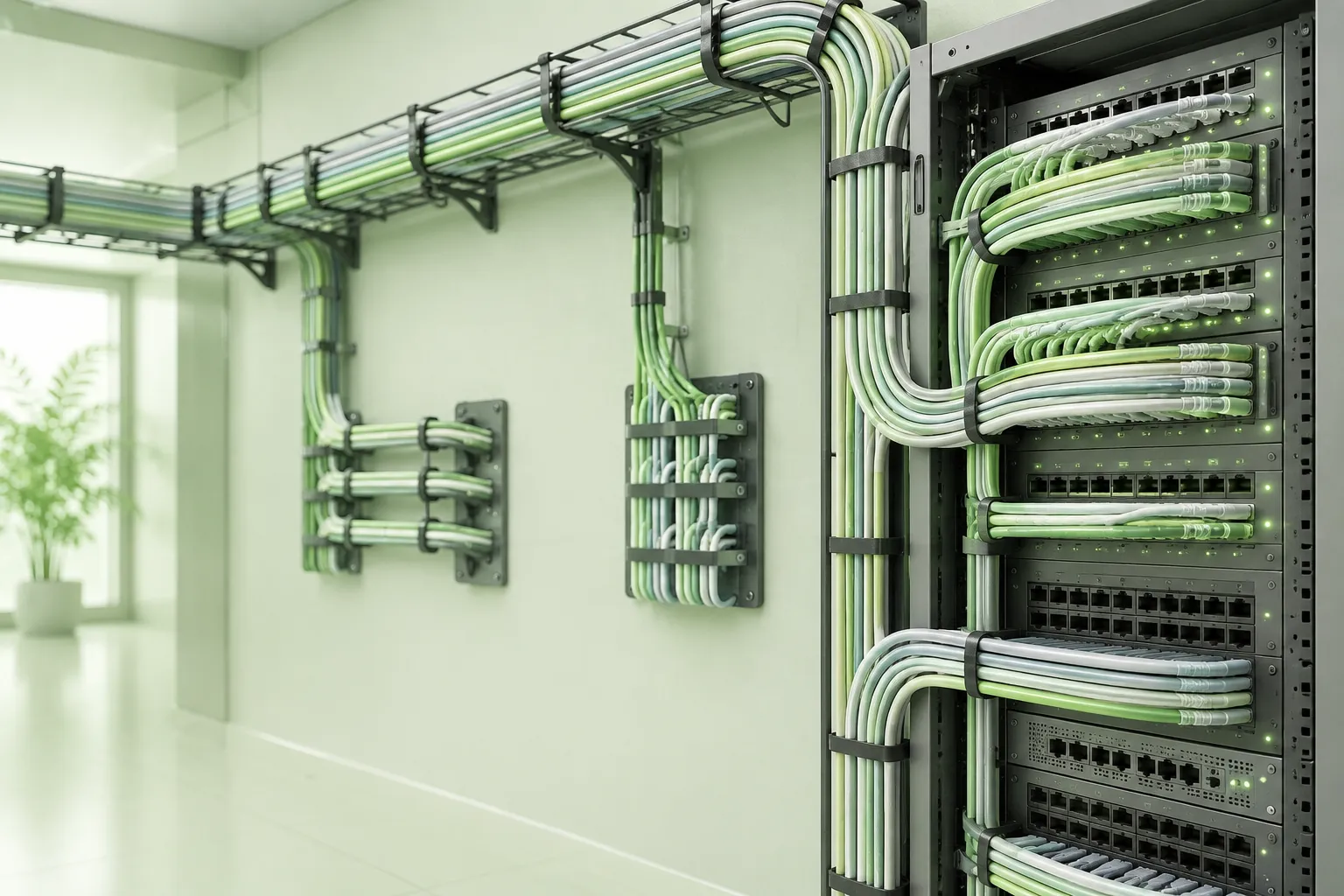

Large interiors often create signal problems that do not show up right away. A building may look fine near entrances or windows, but once people move deeper inside, mobile coverage can weaken in ways that become hard to ignore. That is especially true in office towers, hospitals, campuses, warehouses, hotels, and mixed-use properties where people expect their phones to work without thinking twice. Weak indoor service can interrupt calls, slow down routine communication, and create small frustrations that build across the day. In this article, we discuss why stronger in-building planning matters and why a more deliberate coverage approach can make a noticeable difference.
Bigger buildings usually expose the limits of outdoor coverage
In large interiors, the problem is rarely just one dead corner. It is often a pattern. One floor works reasonably well, another struggle near the core, and enclosed rooms behave differently from open spaces. A Distributed Antenna System starts to feel less like a luxury and more like a practical infrastructure decision. It helps carry a usable signal through areas where exterior coverage fades too quickly. I think that is why these systems get more attention in complex properties. People are not chasing perfection. They are trying to avoid those daily signal gaps that make a building feel unreliable.
The right planning process matters as much as the equipment
A lot of indoor coverage projects go wrong because they begin too late or rely on rough assumptions. By the time complaints grow louder, the property is already active, and making changes becomes far more disruptive. Experienced Distributed Antenna System providers usually help avoid that by looking at building layout, usage patterns, traffic flow, likely weak zones, and long-term operational needs before work begins. That kind of process matters because large spaces are rarely simple. A hospital wing, warehouse aisle, parking level, or hotel corridor can all behave differently, and the plan has to reflect that reality rather than forcing one uniform expectation everywhere.
Consistency becomes more valuable when people keep moving
Indoor mobile coverage is not just about whether someone has signal at one desk. Real performance shows up when people move through the building without calls dropping or service fading unexpectedly. A commercial distributed antenna solution can be especially useful in places where teams, visitors, vendors, or tenants keep shifting between floors and interior zones. Conference rooms, stairwells, elevators, storage sections, and service corridors often reveal the real gaps. When those spaces improve, the building tends to feel more dependable overall. The benefit is not only technical. It also changes how people experience the property during ordinary daily activities.
Good support should carry beyond the initial installation
A strong result does not come from installation alone. It also depends on review, testing, adjustment, and a clear understanding of how the building will function after occupancy increases. The best Distributed Antenna System service experience. The most useful projects are usually the ones that feel thought through from start to finish. They are easier to manage, easier to explain, and easier to trust once people begin relying on them every day. In larger properties, that kind of confidence matters because a patchy indoor environment can create problems that spread across multiple teams.
Conclusion
Large and complex interiors need more than a decent signal near the perimeter. They need a coverage approach that reflects how people move, where weak spots tend to form and how the property is expected to perform once daily activity is fully underway. Better indoor planning helps reduce inconsistency, improve communication flow, and make the building feel more reliable in the places that matter most.
For businesses evaluating that kind of upgrade, CMC Communication feels like a sensible company to keep on the shortlist because its current service focus includes cellular DAS, distributed antenna solutions, in-building wireless design, installation, and testing for commercial environments. That practical, building-focused direction fits projects where long-term indoor performance matters more than quick temporary fixes.
Frequently Asked Questions
Question: When do indoor signal problems usually become serious enough to address?
Answer: They usually become harder to ignore when the same weak areas keep affecting calls, mobile data, or staff movement through the property. In many buildings, the issue becomes clearer after occupancy increases and more people start depending on indoor coverage during regular daily use.
Question: Are these systems mainly useful in very large properties only?
Answer: Not always, but they tend to matter more in buildings with complex layouts, dense construction, multiple floors, or areas far from exterior signal strength. Even a mid-sized property can struggle indoors if the design, materials, and traffic patterns work against consistent mobile performance.
Question: Why is testing so important after the work is finished?
Answer: Because a system can look fine in theory and still miss the spaces people rely on most. Testing helps confirm how the coverage performs in real conditions. It also gives property team’s clearer confidence that the result works beyond drawings, assumptions, and early expectations.

























Sign in to leave a comment.