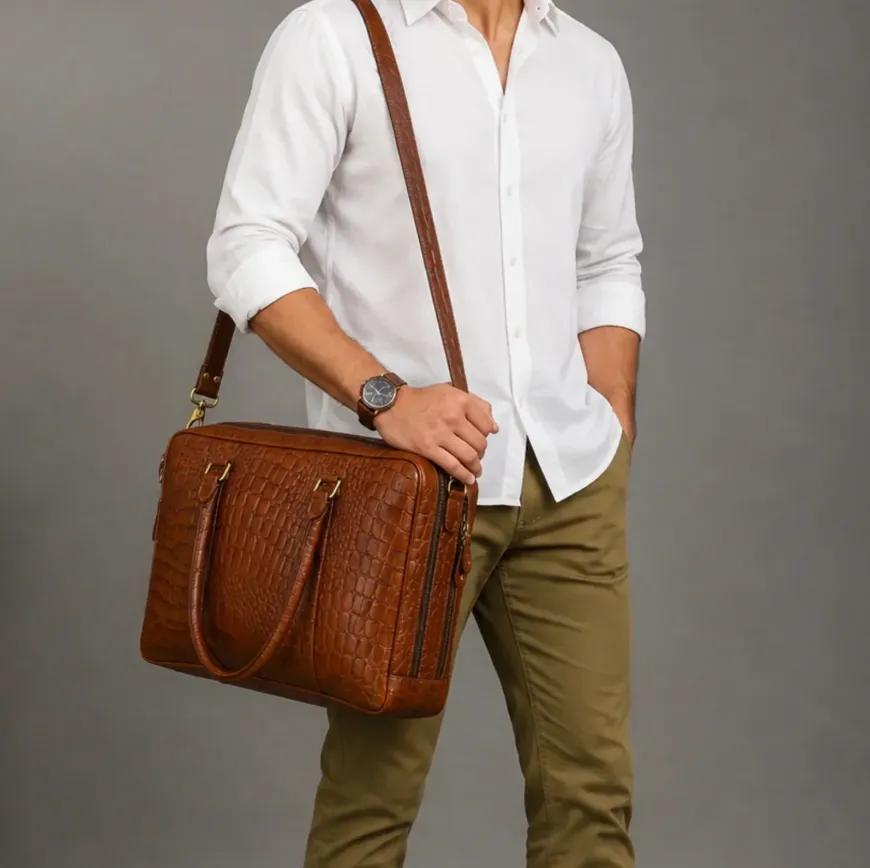

Walk into any office building or airport lounge today, and you’ll spot a sea of synthetic backpacks, cheap polyester shoulder bags, and flimsy nylon sleeves. They get the job done, sure, until a zipper snaps, a seam fraying open, or the material peels after six months of basic use. That’s usually the moment most professionals decide it’s time to grow up and invest in a real leather briefcase.
A well-made bag isn’t just about looking sharp in a meeting (though that’s a nice perk). It’s about utility, protection, and having a reliable companion that actually looks better the more you beat it up. But with endless options flooding online stores, picking a bag that’s built to last requires knowing what to look for, and what to avoid.
Exploring the Styles: Finding Your Ideal Match
Not everyone carries the same gear or works in the same environment. Before dropping money on a bag, figure out which style actually fits your routine.
- The Hard-Sided Attaché: Think classic corporate power play. These have rigid frames, sharp right angles, and latch locks. If you carry sensitive physical paperwork or heavy-duty legal documents, this gives you maximum crush protection.
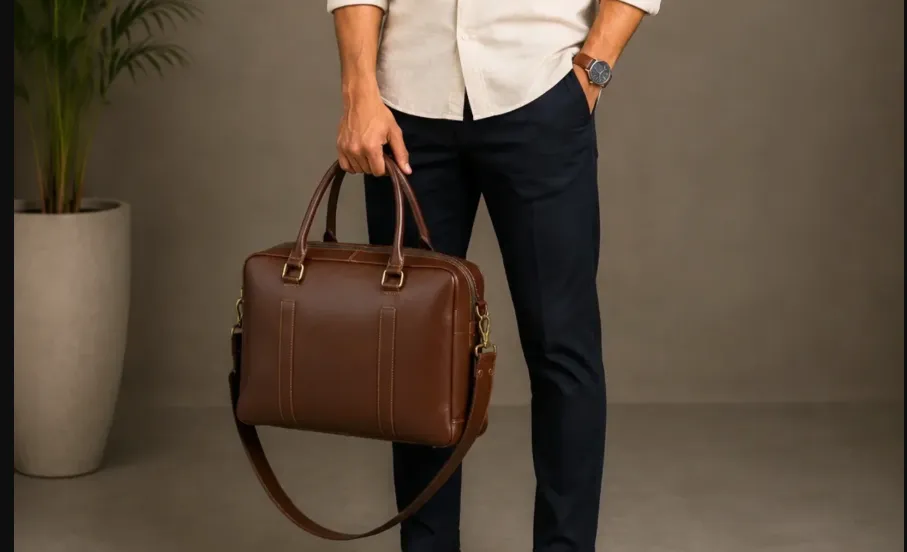
- The Soft-Sided Laptop Case: This is the sweet spot for 90% of modern workers. It has built-in padded sleeves for a laptop, flexible sides that give a little extra room, and enough structure to stand upright next to your desk.
- The Messenger Hybrid: Outfitted with a broad shoulder strap and a fold-over flap, this style skews a bit more casual. It’s ideal if you commute on a bike, ride the subway, or just want easy access to your stuff without unclipping a bunch of buckles.
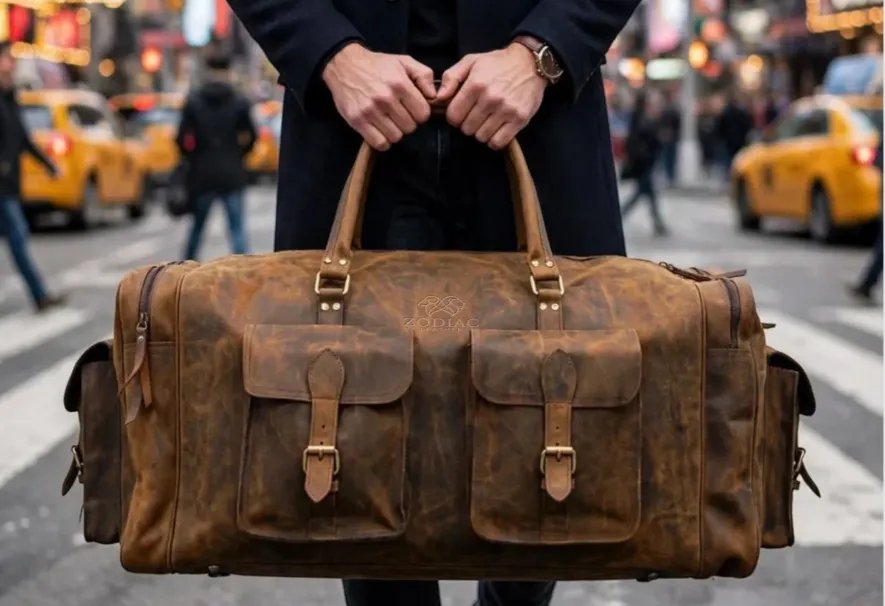
- The Travel/Weekender Briefcase: Slightly wider with zippered expansion gussets. It lets you stash a laptop, a stack of folders, and a fresh shirt for quick overnight business trips without needing a separate carry-on.
What Actually Separates Good Bags from Bad Ones?
Marketing speak can make cheap bonded leather sound like a luxury item. Here’s how you evaluate real quality before making a purchase.
The Leather Itself Always look for full-grain or top-grain leather. Full-grain keeps the outermost layer of the hide intact, keeping all the natural strength and surface character. Lower-grade options, like genuine leather briefcase materials that use heavily processed split hides, can still look decent, but full-grain is what gives you that legendary durability and rich, aged look down the road.
Solid Metal Hardware Take a close look at the buckles, zipper teeth, and strap clips. You want solid brass or stainless steel. Thin, painted zinc hardware will flake off and snap under the weight of a heavy laptop and a water bottle.
Stitching at Stress Points Check where the handles meet the main body of the bag. Look for thick thread, reinforced box-stitching, or brass rivets. If those handle connections are only held together by a single thin line of thread, that bag won’t survive a year of daily hauling.
Field Notes: Living with a High-Quality Bag
Having put plenty of bags through their paces over years of commuting, carrying a properly crafted genuine leather briefcase changes how you pack and move.
The first thing you notice when unboxing a real bag isn’t just how it looks, it’s the weight and the smell. Good leather has a rich, earthy scent that synthetic alternatives just can't fake. The leather feels warm and flexible right out of the box, not cold or plastic-coated.
On a day-to-day level, small design choices make a massive difference. When you’re rushing through security at 6:00 AM, having a dedicated external slip pocket for a passport or phone saves you from blindly digging around inside. Soft-grip leather handles distribute weight evenly so your palm doesn't ache after carrying a 15-inch laptop and three heavy notebooks across a terminal.
Best of all is the aging process. Nylon gets dirty, tears, and looks faded over time. High-grade leather does the opposite. Scuffs from subway turnstiles or coffee shop tables don't ruin the leather, they blend in, darkening the grain and creating a distinct patina that tells a story.
Keeping Your Leather in Prime Condition
You don't need a complicated routine to keep a bag in top shape. A few basic rules will keep it functional for decades:
- Wipe off rain immediately: If you get caught in a downpour, pat the bag dry with a towel and let it air dry naturally. Never use a hairdryer or put it near a heater, or the leather will dry out and crack.
- Condition it twice a year: Rub a simple leather conditioner or balm into the surface every six months. It restores lost moisture, keeps the surface supple, and protects against water stains.
- Don't overstuff it: Leather stretches, but it doesn't bounce back once it's blown out. If you have to force a zipper shut, you're packing too much.
- Store it right: If you’re switching bags for the season, stuff it with some paper to hold its shape and put it inside a dust bag, never sealed in plastic.
Final Thoughts
A great bag isn't just something to carry your stuff in, it's an extension of your professional identity that gets better with time. If you appreciate hand-stitched detailing, rugged materials, and timeless design over mass-produced trends, checking out the artisan lineup at Luxury Handicraft is a great place to find a piece that stays by your side for years to come.
























Sign in to leave a comment.