
When a child is challenged in learning, it can be overwhelming for parents and carers to find the right educational environment for them. Parents need answers, clarity, and assurance when they want to find out about learning disabilities schools that really support their child's needs. A great learning disabilities school does not just accept the difference but helps students to bridge gaps in learning, as well as gain confidence and find a passion to learn again.
Knowing what is really important may enable families to make confident choices.
Why Specialized Support Matters to Learning Differences?
Children with learning disabilities tend to process information differently. This can influence reading, writing, math, as well as attention spans or organizational skills. These different ways of processing cannot always be supported in traditional classrooms.
The idea of high-quality schools for learning disabilities is that difficulties are identified at an early stage. They are then easier to overcome with the help of structured, individualized instruction. The priority isn't curriculum requirements, but rather ensuring students truly learn and grow over time.
The Power of Individualized Learning?
Individualized attention is one of the most crucial attributes of a good learning disabilities program.
Good schools develop learning plans that:
Recognize certain academic weaknesses in either reading, writing or mathematics
Modify the lesson to match the students' level
Keep track of progress and change the method of teaching
This enables students to progress slowly without feeling pressured. They are able to build confidence alongside their academic skills.
Why are Small Classes Necessary?
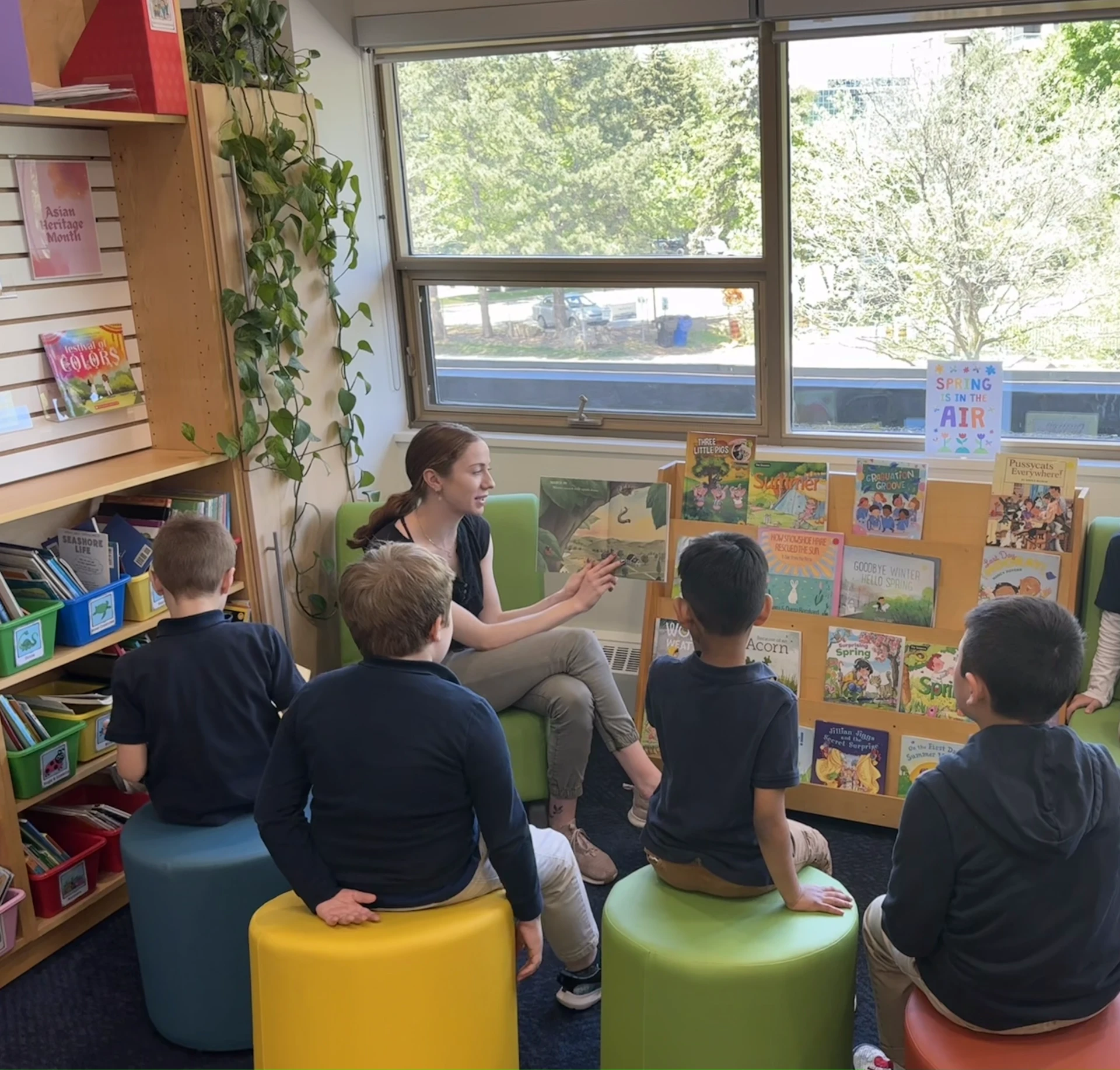
The size of classes is an extremely important factor in student success. The presence of smaller learning groups means that the teachers can take a closer look at each child and react to problems instantly.
Students in properly designed programs normally learn in groups of four to six. These small learning groups mean:
Less distraction and anxiety
More regular feedback from teachers
Students are at the right learning level for them
This structure keeps students motivated and helps to foster steady academic development.
Why Teaching Expertise Matters
Educators define a great school. Educators in schools that cater to students with learning disabilities must receive training in general subject matter as well as specialised remedial strategies.
Strong teaching teams are:
Well-informed on learning disability, including ADHD, dyslexia, ASD, and ADD
Experienced in evidence-based reading, writing, and math interventions
Caring, understanding and devoted to student achievement
When the teachers are aware of the learning process of the students, teaching becomes more effective and supportive.
The Significance of Basic Skill Development
A significant number of students with learning disabilities find school difficult since they have never mastered basic skills. Instead of rushing ahead, great schools are concerned with restoring these skills.
Successful programs are those that emphasize:
Decoding, reading and comprehension
Coherent, systematic improvement of writing
Good numeracy and problem-solving abilities
Through these reinforcements, students get a toolkit that they can count on in across their learning journey.
What is the role of Progress Monitoring in Long-Term Development?
Another measure of quality is continuous evaluation. Progress monitoring makes the learning plans effective and responsive.
In strong programs:
The progress of the students is reviewed regularly
Learning groups are flexible and adaptive
The teaching process varies when the student is prepared to progress
This dynamic solution will keep learning in line with the development of the child and avoid stagnation.
The Importance of the Learning Environment
The physical space is very influential on learning. A well-structured school setting can decrease stress and enhance the engagement of all students.
Social learning environments may include:
Natural light in classrooms
Spaces for movement, creativity, and cooperation
Arts, science and physical activity rooms
Learning gets easier and more enjoyable when the students are relaxed and motivated.
Emotional Safety and Student Confidence
Academic progress cannot happen without emotional safety. Great schools for learning disabilities create nurturing environments where students feel understood and valued.
These schools emphasize:
Positive reinforcement and encouragement
Respect for individual learning journeys
Strong relationships between students and educators
As confidence grows, students become more willing to take risks, ask questions, and participate actively in their education.
Finding the Right Learning Disabilities School
Finding the right learning disabilities school is a deeply personal journey. A great school for learning disabilities provides more than academic support; it restores confidence, builds independence, and helps children recognize their own strengths.
With the right environment, students don’t just catch up. They move forward with clarity, confidence, and renewed belief in their ability to learn.






























Sign in to leave a comment.