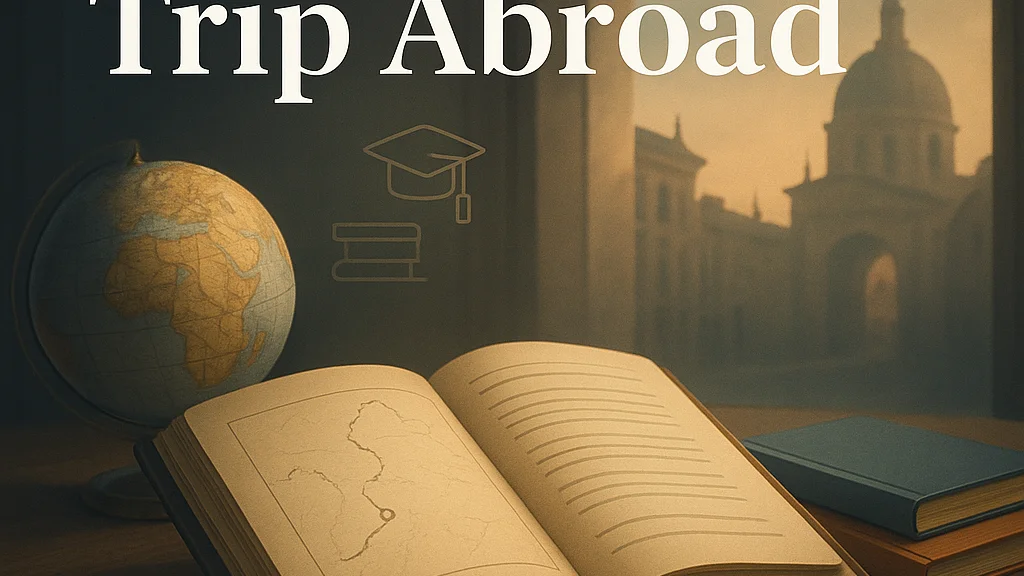

When people think about education, they often picture classrooms, textbooks, and exams. While these are important parts of learning, some of the most valuable lessons happen outside the classroom.
Educational travel has become increasingly popular among schools, parents, and students because it offers experiences that simply cannot be replicated through traditional learning alone. Whether students are visiting historical sites, experiencing a new culture, or navigating daily life in another country, international educational trips can provide meaningful opportunities for both personal and academic growth.
Developing Independence and Confidence
One of the most noticeable benefits of studying or travelling abroad is the confidence students gain. Being in a new environment encourages students to step outside their comfort zone, solve problems independently, and adapt to unfamiliar situations.
Simple tasks such as navigating a city, communicating with local people, or managing daily schedules help students become more self-reliant. Many students return home with greater confidence in their abilities and a stronger sense of independence than they had before the trip.
Experiencing Culture First-Hand
Learning about another country in a classroom is very different from experiencing it in person. Educational travel allows students to engage directly with local customs, traditions, food, architecture, and daily life. These experiences help build cultural awareness and encourage students to see the world from different perspectives.
For example, students participating in a summer camp in China may have the opportunity to visit historical landmarks, explore traditional neighbourhoods, try regional cuisine, and experience aspects of Chinese culture that are difficult to fully appreciate through textbooks alone.
Building Global Awareness
In an increasingly interconnected world, global awareness has become an important skill.
Educational travel exposes students to different ways of thinking and helps them understand how people from different backgrounds live, work, and communicate. This broader perspective can encourage empathy, curiosity, and a greater appreciation for cultural diversity.
Students often return from international programmes with a deeper understanding of global issues and a stronger interest in exploring the world around them.
Learning Through Real Experiences
Experiential learning is often more memorable than traditional classroom instruction. Rather than simply reading about history, students can visit historical sites. Instead of learning about cultural traditions from a textbook, they can observe and participate in them directly.
These experiences create stronger emotional connections to learning and often help students retain information more effectively.
Many educational programmes are designed to combine academic learning with cultural activities, creating a well-rounded experience that supports both intellectual and personal development.
Developing Communication Skills
Travelling abroad naturally encourages communication. Students interact with peers, teachers, guides, and local communities throughout their journey. These interactions help improve confidence, teamwork, and interpersonal skills.
For students learning Mandarin, a Chinese summer camp can provide opportunities to practise communication in authentic situations while building friendships with students from different countries and backgrounds. Even students with limited language skills often find that daily interactions help them become more comfortable communicating and expressing themselves.
Creating Lifelong Memories and Friendships
One of the most rewarding aspects of educational travel is the relationships students build along the way. Shared experiences often create strong bonds between participants. Students may develop friendships with classmates, international peers, teachers, and local hosts that continue long after the programme ends. These connections can broaden students' perspectives and create valuable international networks for the future.
Why Educational Travel Continues to Grow
As schools and families increasingly recognise the value of experiential learning, educational travel programmes continue to grow in popularity. Programs such as a summer camp in China offer a unique combination of academic learning, cultural immersion, personal growth, and international experience. For many students, these opportunities provide lessons that extend far beyond the classroom and help prepare them for success in an increasingly global world.
Final Thoughts
Educational travel is about much more than visiting a new destination. It encourages independence, builds confidence, develops cultural understanding, and helps students gain real-world experience that complements their classroom education.
While academic knowledge remains important, the personal growth that comes from experiencing another culture first-hand is often what students remember most long after the trip has ended.































Sign in to leave a comment.