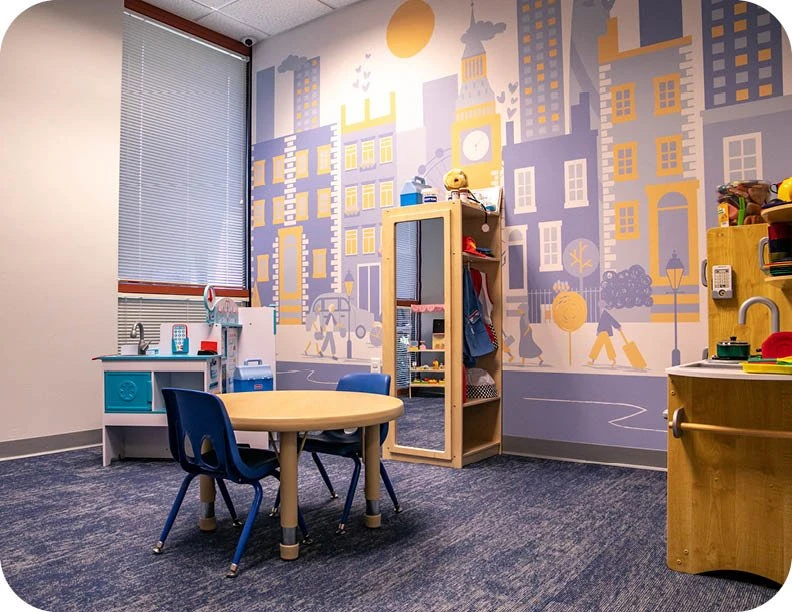

For families exploring autism spectrum disorder (ASD) services, finding the right center matters. In Los Angeles, options vary widely, and searches like “autism care center Los Angeles” or “autism therapy center Los Angeles” may bring up many results. However, not every center takes a person-first approach.
This article outlines what “person-first” means in the context of ASD support, how therapy centers implement this mindset, and what to look for when choosing a center in Los Angeles.
Understanding the Person-First Approach
Person-first means seeing the individual before the diagnosis. Instead of focusing only on autism-related challenges, this approach centers on the person’s strengths, preferences, and goals.
In practice, a person-first autism care center in Los Angeles will:
· Design therapy around individual interests and needs
· Involve families in goal-setting and progress reviews
· Treat clients with respect, avoiding assumptions or one-size-fits-all plans
This approach leads to more relevant, effective therapy and often better long-term outcomes.
What to Expect at a Person-First Autism Therapy Center
When families visit an autism therapy center in Los Angeles, they should feel like their child is seen as a whole person. That starts with how the center designs its programs and communicates with families.
Key features include:
· Personalized Plans: Every therapy plan should be based on a detailed assessment shaped by the client’s specific goals, not just standardized checklists.
· Collaboration: The center should collaborate with parents, teachers, and caregivers to ensure that strategies are consistently used in daily life.
· Communication Style: Therapists should speak directly to clients, even if they are nonverbal. This models respect and includes.
· Flexible Methods: The center should adapt activities and materials to the client’s learning style, rather than expecting the client to fit a rigid routine.
Who Provides the Care?
An autism care center in Los Angeles usually includes a team of professionals:
· Board Certified Behavior Analysts (BCBAs): Create therapy plans, supervise sessions, and adjust strategies over time.
· Behavior Technicians: Deliver daily therapy based on the BCBA’s plan.
· Support Staff: May include speech therapists, occupational therapists, and parent coaches.
In a person-first setting, these professionals are trained in therapy techniques, respectful communication, and cultural sensitivity. They take the time to learn what matters to each client and tailor the work accordingly.
Family Involvement is Key
An intense autism therapy center Los Angeles will see families as partners. That means involving them in goal setting, sharing regular updates, and offering guidance for what to do at home.
Person-first care also includes respecting the family’s routines, values, and priorities. This makes therapy more realistic and sustainable over time. Parents may also be invited to participate in training sessions, observe therapy, and learn how to reinforce progress at home. Outcomes improve across all environments when families are supported and confident in using strategies.
Questions to Ask When Choosing a Center
If you’re looking for an autism care center in Los Angeles, consider asking:
· How do you personalize therapy goals?
· What role do families play in therapy?
· How often are progress reports shared?
· How do you incorporate a client’s interests?
· What training do your staff receive in person-first care?
You can also ask about staff-to-client ratios, how new staff are trained, and how long therapists typically stay at the center. These factors can impact continuity and quality of care.
Why Person-First Matters
Therapy is more effective when individuals feel understood and respected. By using a person-first approach, care centers help clients:
· Build skills that matter in their daily lives
· Feel more confident and motivated
· Form better relationships with caregivers and peers
· Experience therapy that supports their long-term growth
Families feel more supported when their input is valued and their routines are considered. When therapy fits into real life, it becomes more than a weekly appointment; it becomes part of everyday progress.
Conclusion
Not every autism care center in Los Angeles uses the same approach. When families seek out a person-first philosophy, they often find more respectful, practical, and effective therapy. By focusing on the person and not just the diagnosis, an autism therapy center in Los Angeles can help clients make real, lasting progress in a way that works for them and their families. With the right support team, meaningful change is not only possible - it’s sustainable.




























Sign in to leave a comment.