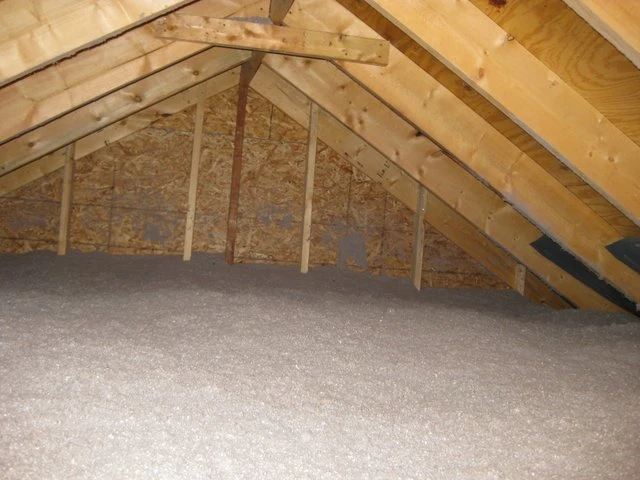

Blown-in attic insulation is one of the most practical and efficient ways to improve energy efficiency in older homes. These homes often come with attic spaces that are uneven, cramped, or difficult to access. Traditional insulation materials like batt or roll insulation don’t fit these spaces well, leaving gaps that allow heat to escape or enter. Blown-in insulation, however, adapts perfectly to any shape or size, filling cracks and voids thoroughly. This ability to provide a complete, uniform layer of insulation makes it ideal for older homes that require an upgrade without costly renovation or demolition.
Furthermore, blown-in insulation can be installed directly over existing insulation layers, addressing the common issue of settling or compressed insulation in older attics. This means homeowners can improve thermal performance quickly and with minimal disruption. It reduces drafts and stabilizes indoor temperatures, which is especially important for older houses that often have less efficient windows, doors, and walls. Overall, blown-in attic insulation provides a smart, cost-effective solution for enhancing comfort and reducing energy bills in older homes.
This article will explore the different types of blown-in insulation, compare it to other attic insulation options, and examine the technical details relevant to older homes. It also covers key factors homeowners should consider before making a decision. Clear tables and data make this information easy to understand for anyone researching the best attic insulation choice for older homes.
Why Blown-In Attic Insulation Works Well in Older Homes
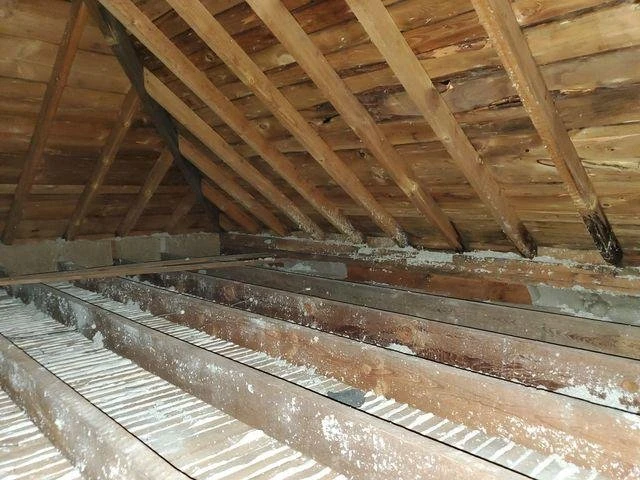
Older homes present unique challenges when it comes to insulation. The attic framing may be irregular due to different building practices at the time of construction or later remodeling. The joists and rafters may not follow modern spacing standards, creating uneven cavities where insulation has to fit. Older homes also often have existing insulation that has compressed or shifted over decades, lowering its effectiveness.
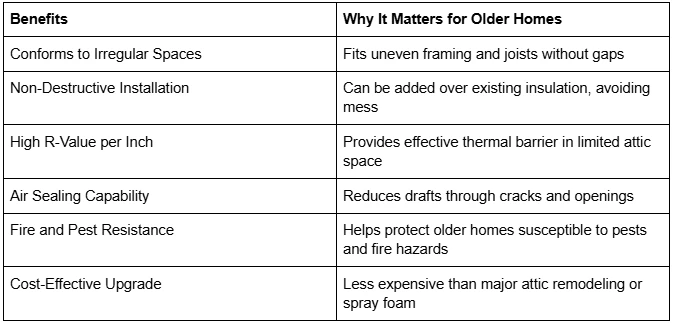
Blown-in insulation addresses these issues because it is applied as loose fibers that expand to fill every nook and cranny. Unlike batt insulation that comes in fixed sizes, blown-in insulation conforms to the attic’s shape. This reduces thermal bridging — where heat flows through the gaps between insulation batts or boards — and increases overall attic insulation performance.
The installation process also works well with older homes because it can be done over existing insulation layers, avoiding costly removal. This non-invasive approach is ideal for homes where tearing down ceilings or walls is not feasible. It improves energy efficiency quickly by adding insulation depth and sealing air leaks that often cause drafts and energy loss.
Additionally, blown-in insulation materials like cellulose have the added benefit of being treated for fire resistance and pest deterrence. This is important in older attics, which can be vulnerable to rodents or insects.
Types of Blown-In Insulation and Their Suitability for Older Homes
Blown-in insulation generally comes in two main varieties: cellulose and fiberglass. Both materials have pros and cons that affect their performance in older homes.
Cellulose insulation is made from recycled paper fibers treated with fire retardants. It offers a higher R-value per inch (3.2 to 3.8) compared to fiberglass and has excellent air sealing qualities because the fibers are dense and cling tightly together. This density also helps soundproof the attic, reducing noise from outside or between floors.
Fiberglass blown-in insulation consists of tiny glass fibers that are lightweight and do not absorb moisture. Fiberglass has a slightly lower R-value per inch (2.2 to 2.7) but is better at resisting mold and moisture issues because it doesn’t retain water. It also tends to settle less over time, which means its insulation value remains more stable.
For older homes with some moisture concerns or poor attic ventilation, fiberglass might be the safer option. Cellulose performs better in completely dry, well-ventilated attics where its air sealing can maximize energy efficiency.

Bonus Tip: Because cellulose tends to settle over time, homeowners should plan for occasional top-ups or inspections after a few years to maintain optimal performance.
How Blown-In Insulation Works in Older Attics
Older homes often have spaces where insulation has deteriorated or become uneven due to settling or damage. Attics may have small gaps around wiring, plumbing vents, and light fixtures that contribute to air leakage.
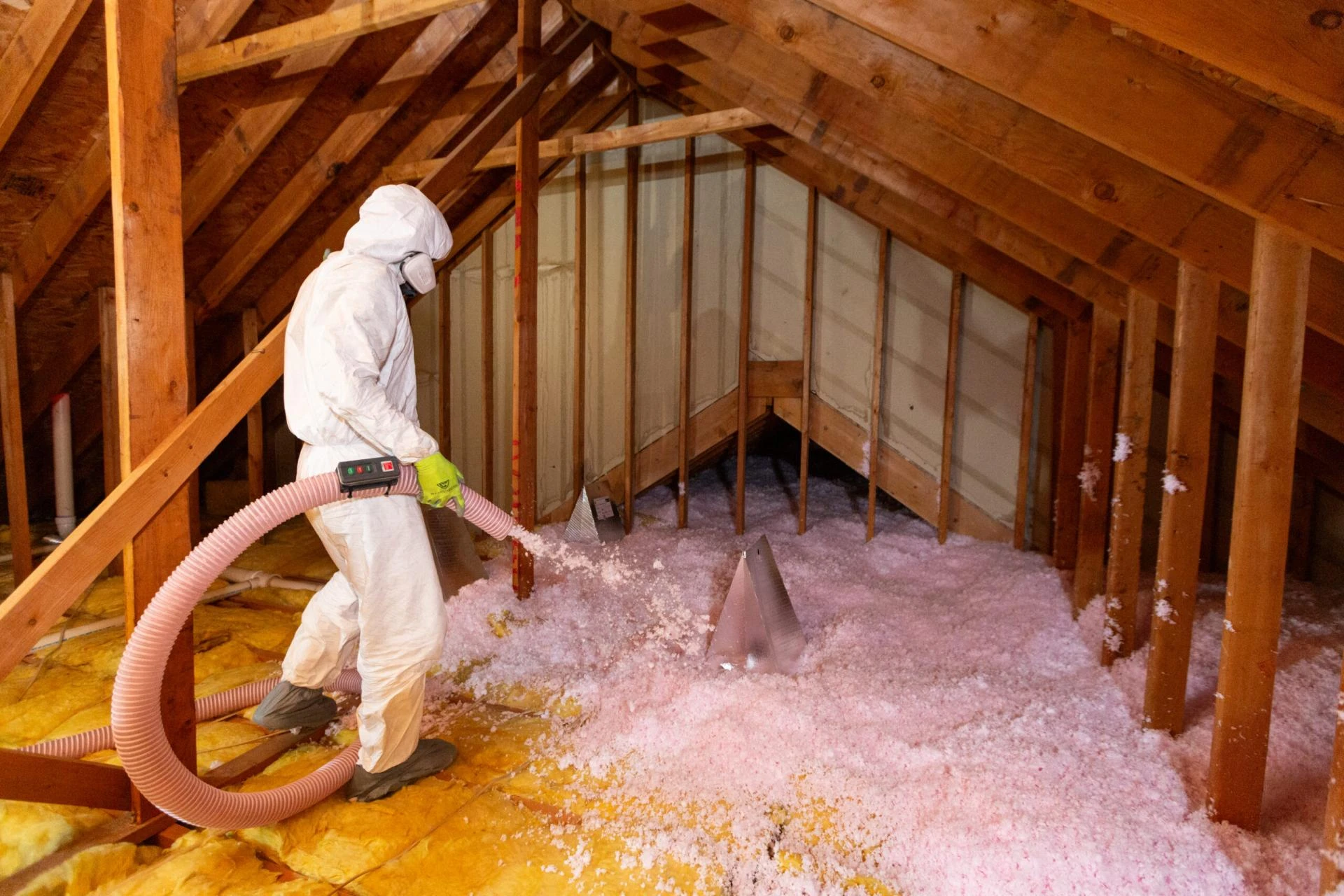
The blown-in insulation process uses specialized equipment that sprays loose fibers into the attic. These fibers expand and pack tightly around obstacles and irregular surfaces. This creates a continuous insulation layer with fewer gaps or thermal bridges.
This airtight layer traps heat inside during winter and keeps the home cooler in summer. It improves the heating and cooling system’s efficiency, reducing energy consumption and monthly bills. For older homes that typically lack modern air sealing, this upgrade can make a significant difference in indoor comfort.
The flexibility of blown-in insulation also means it can be combined with other energy efficiency upgrades, like sealing attic access doors or improving attic ventilation, for a comprehensive approach.
How Blown-In Insulation Compares to Other Attic Insulation Types
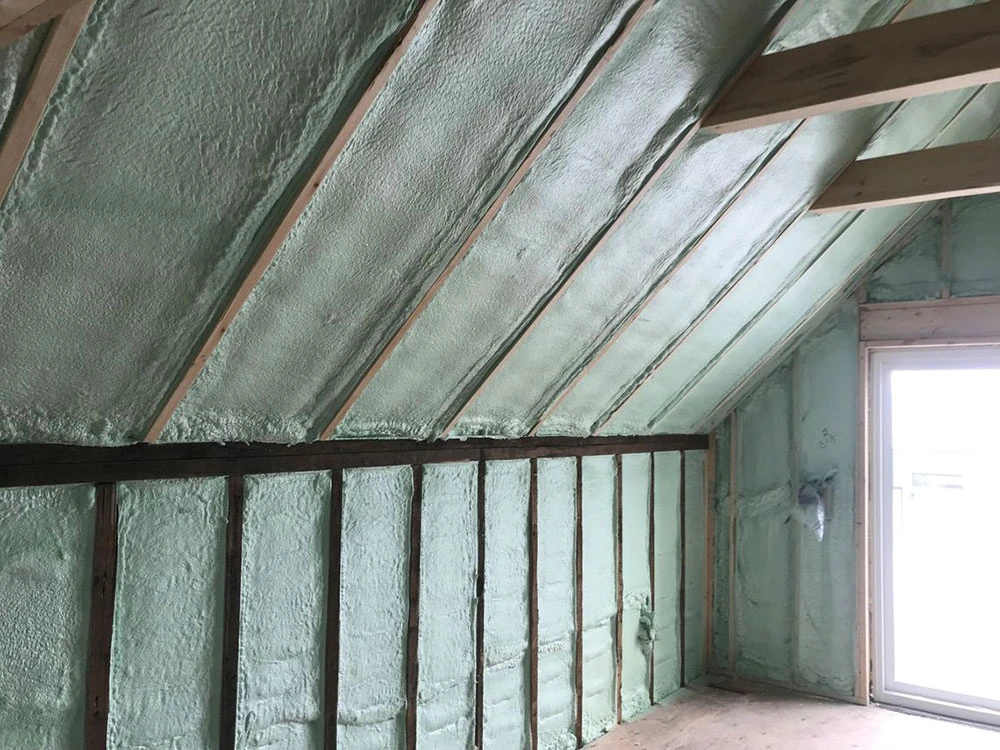
Older homes can use different types of insulation, but blown-in insulation often ranks higher in performance and practicality. Batt insulation, while common, struggles to fit uneven or tight spaces properly. It leaves gaps between batts and around obstacles. Spray foam insulation provides an excellent air seal and very high R-value, but it is costly and requires significant prep work, which may not be feasible in older homes with fragile structures.

Spray foam offers the highest R-value but is much more expensive and may require removal of old insulation and repairs to the attic structure. Blown-in insulation offers the best balance of cost, performance, and ease of installation for older homes.
Technical Details for Blown-In Insulation in Older Homes
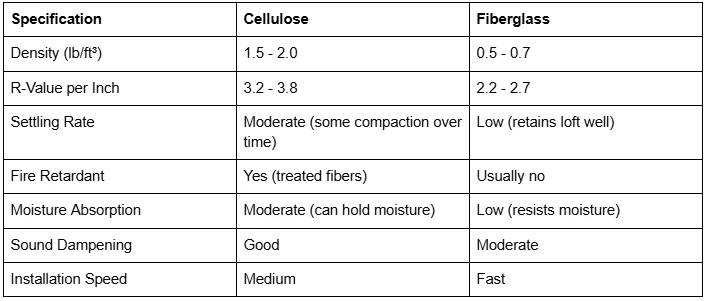
Understanding these specs helps homeowners decide which material suits their attic’s condition best. Moisture control and fire safety are especially critical in older attics.
Things to Consider Before Installing Blown-In Insulation in Older Homes
Before committing to blown-in attic insulation, evaluate several factors that impact the success of the installation and long-term benefits:
- Attic Access and Condition: Older homes may have limited or cramped attic access, wiring, ductwork, or obstructions. A professional inspection can reveal how much material will be needed and identify problem areas.
- Existing Insulation Status: Check if the old insulation is moldy, wet, or compressed. In some cases, removal may be necessary before adding blown-in insulation to prevent trapping moisture or pests.
- Ventilation and Moisture Control: Proper attic ventilation prevents moisture buildup that can damage insulation and wood framing. Cellulose is more sensitive to moisture, so ensure ventilation is adequate.
- Electrical and Fire Safety: Older homes may have outdated wiring, such as knob-and-tube, which can pose fire risks if covered improperly. Experts should handle installation near electrical fixtures.
- Budget and Energy Goals: Blown-in insulation is generally affordable, but costs vary by material and attic size. Consider long-term energy savings and whether layering with other insulation types or sealing measures is needed.
Bonus Tip: Investing in an attic energy audit before installation can identify the most cost-effective improvements and maximize the blown-in insulation’s impact.
Common Questions About Blown-In Attic Insulation in Older Homes
How long does blown-in insulation last in an older home’s attic? Blown-in insulation typically lasts 15 to 20 years. Cellulose may settle and compact over time, which can reduce its R-value, so periodic inspections and top-ups are recommended.
Is blown-in insulation safe to use with old electrical wiring like knob-and-tube? It can be safe, but only if handled by professionals who avoid direct contact with live wiring. Some installations may require upgrading electrical systems before insulation.
Will blown-in insulation reduce noise from outside? Yes, especially cellulose insulation. Its dense fibers absorb sound, providing improved noise control compared to fiberglass or batt insulation.
Can blown-in insulation trap moisture and cause mold in older homes? If attic ventilation is poor or there are leaks, moisture can become trapped, especially with cellulose insulation. Ensuring proper ventilation and addressing roof leaks before installation is critical.
How quickly can blown-in insulation be installed in an older attic? For a typical older home attic, installation usually takes one to two days depending on attic size and accessibility.
Conclusion
Blown-in attic insulation stands out as an ideal choice for older homes because it effectively addresses the unique challenges these houses present. Its ability to conform to irregular attic spaces, fill gaps, and be installed over existing insulation layers provides a practical, low-disruption solution that enhances energy efficiency and comfort. Whether choosing cellulose for its higher R-value and soundproofing or fiberglass for its moisture resistance, blown-in insulation offers a balanced, cost-effective upgrade.
Before making a decision, homeowners should carefully evaluate attic access, current insulation condition, ventilation, and electrical safety to ensure the best outcome. With proper planning and professional installation, blown-in insulation can extend the life of older homes, reduce energy costs, and improve indoor comfort for years to come. Assess your specific needs and attic environment to select the most suitable material and maximize the benefits of this efficient insulation method.
Maria Lopez reviewed the article and brought 12 years of insulation industry experience to improve the guidance. Practical tips were added, and the content was made clearer and more useful for contractors working in the field every day.
























Sign in to leave a comment.