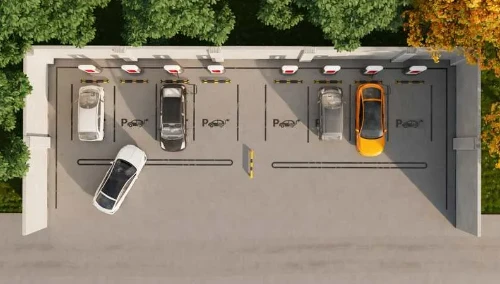
In today's rapidly urbanizing landscape, traffic flow and parking infrastructure have become critical aspects of development across sectors. Whether in residential neighborhoods, commercial complexes, educational campuses, healthcare facilities, or municipal zones, tailored transportation solutions are essential to ensure safe and efficient mobility. Firms that specialize in traffic engineering and parking planning bring a blend of advanced technology, professional expertise, and years of experience to the table – ensuring that every project is future-ready.
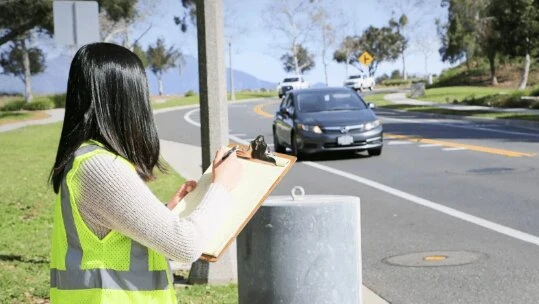
A key component of these services includes the ability to perform Traffic Impact Analyses and Parking Studies with high precision. Such studies are vital for evaluating how new developments influence existing traffic conditions and for creating strategies that mitigate congestion and enhance circulation. With tools and software designed to simulate real-world conditions, solutions are crafted not just for compliance – but for community benefit, user accessibility, and long-term sustainability.
Notably, in many mixed use development scenarios, a well-conducted shared parking study can optimize available space. This approach reduces unnecessary construction and maximizes land use by allowing different user groups to share parking spaces efficiently, based on varying peak demand times. Such studies are particularly valuable in urban cores where land is limited and multi-purpose buildings are on the rise.
Parking Planning: Beyond Just Spaces
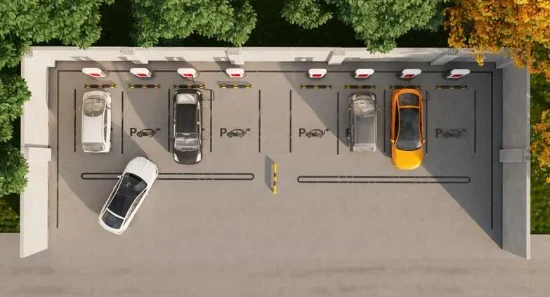
In the evolving narrative of urban design, parking planning in Florida and other high-density regions has shifted from a functional necessity to a strategic advantage. Effective parking design reduces vehicular congestion, minimizes carbon emissions, and supports walkable, livable communities.
Parking consultants play a pivotal role in offering tailored parking solutions for various environments, including commercial centers, hospitals, universities, and downtown areas. These services encompass:
1. Parking Demand Analysis
This involves forecasting the number of parking spaces required, based on current usage and future growth. It helps avoid both shortages and overbuilding – each of which can negatively impact project viability and user satisfaction.
2. Shared Parking Analysis
In mixed-use environments, shared parking leverages complementary usage patterns. For instance, office buildings and restaurants typically experience peak parking demand at different times. A thorough shared parking study enables developers and planners to create unified parking facilities that serve multiple users efficiently.
3. Parking Management Strategy Development
To keep parking operations seamless, strategic management plans are crucial.
4. Specialized Planning
Certain facilities—such as hospitals, educational campuses, and downtown districts—demand unique parking considerations. Healthcare facilities, for instance, require not only capacity but also proximity for patients and emergency vehicles. Universities often need a blend of long-term student parking and short-term visitor access, while downtown zones benefit from rotating occupancy that supports retail and service sectors.
The Impact of Comprehensive Parking Studies
When evaluating existing infrastructure, comprehensive parking studies identify areas for improvement. These studies assess supply vs. demand, peak usage trends, operational inefficiencies, and user feedback. Recommendations from such evaluations often lead to optimized layouts, better signage, enhanced traffic circulation, and reallocation of underutilized spaces.
As seen in various case studies across parking planning in Florida, the ability to balance local regulations, site-specific constraints, and user needs is vital. Strategic planning not only improves user experience but also supports broader goals like reducing traffic congestion, supporting economic growth, and promoting environmental sustainability.
Conclusion
As urban areas continue to grow, integrating smart parking and traffic solutions becomes more than just a regulatory requirement—it becomes a cornerstone of smart, livable cities. Firms with a legacy in traffic engineering and planning deliver solutions rooted in experience, backed by technology, and focused on long-term impact. Whether through a detailed shared parking study for mixed use development or an innovative university parking plan, these efforts shape how people move, interact, and live within urban environments.
Disclaimer: This content is intended for informational purposes only and does not constitute professional advice. For project-specific guidance, please consult with a qualified traffic engineering or parking planning professional.
























Sign in to leave a comment.