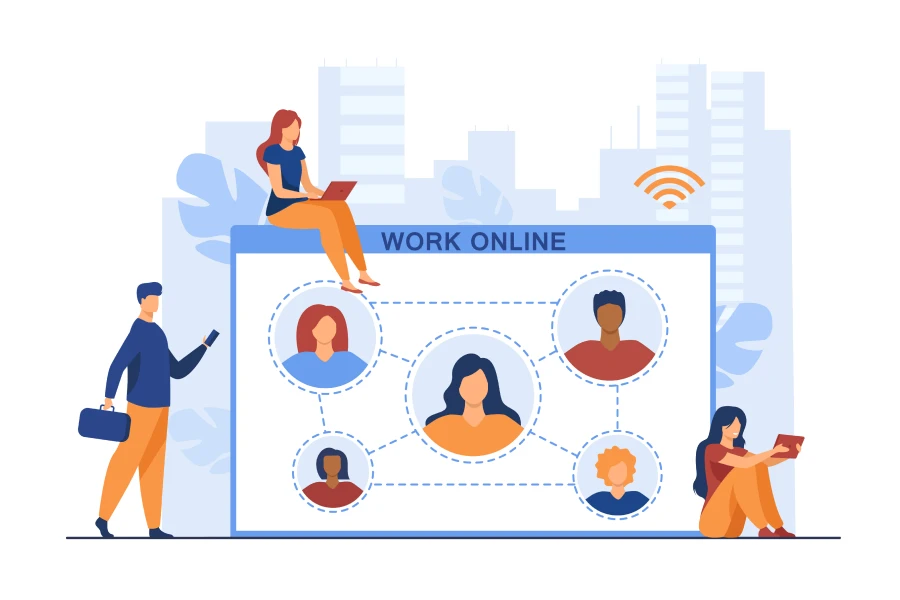

This is an increasingly complex and dynamic topic, shaped by rapid technological advancements, demographic shifts, and evolving societal and economic trends.
As the world continues to evolve, the way we work and the skills we need to succeed in the workplace are rapidly changing.
Now, we will explore some of the key trends that are shaping the future of workforce, as well as the implications of these trends for workers and organisations.
Trends in the future of workforce
One of the most significant trends shaping the future of workforce is the increasing adoption of automation and artificial intelligence (AI) technologies. As machines become more advanced and intelligent, they are increasingly able to perform tasks that were once done by humans, such as data analysis, decision-making, and even creative work.
While this has the potential to increase productivity and efficiency, it also raises concerns about job displacement and the need for workers to acquire new skills to remain competitive in the workforce.
Another key trend is the shift towards remote work and the gig economy. Advances in technology have made it possible for workers to work from anywhere, and many companies are embracing remote work as a way to increase flexibility and reduce costs.
At the same time, the rise of the gig economy where workers take on short-term, freelance, or contract work is challenging traditional notions of employment and job security.
Demographics and political trends play a major role in workforce
Demographic changes are also shaping the future of workforce. As the baby boomer generation retires, younger generations are entering the workforce with different expectations and attitudes towards work.
Millennials and Gen Z workers are more likely to value work-life balance, flexible schedules, and opportunities for growth and development. This is leading many organisations to rethink their approach to talent management and employee engagement.
The future of workforce is also being shaped by global economic and political trends. As the world becomes more interconnected, businesses are increasingly operating in a global marketplace, and workers need to have the skills and knowledge to succeed in this context.
At the same time, geopolitical tensions, trade wars, and economic uncertainty are creating new challenges for organisations and workers alike.
So what does all this mean for the workforce?
One of the most significant implications is that workers will need to be more adaptable and flexible than ever before. As new technologies and ways of working emerge, workers will need to be able to learn new skills quickly and adapt to changing circumstances.
This means that organisations will need to invest in training and development programs to help workers acquire the skills they need to succeed in the future.
Another implication is that workers will need to be more proactive in managing their own careers. The traditional model of a career path that leads to a lifetime of employment with a single organisation is increasingly becoming a thing of the past.
Workers will need to be willing to take on new roles, learn new skills, and even switch careers multiple times throughout their working lives.
Changing the nature of work will help organisations’ future
Organisations will also need to adapt to the changing nature of work. They will need to embrace new technologies and ways of working, such as remote work and the gig economy, in order to attract and retain top talent.
They will need to create cultures that are flexible, inclusive, and supportive of workers' diverse needs and aspirations. They will need to invest in training and development programs to help workers acquire new skills and adapt to new technologies and ways of working.
Therefore, it is a complex and dynamic topic, shaped by a range of technological, economic, and demographic trends. While the pace of change can be daunting, it also presents new opportunities for workers and organisations alike.
By embracing new technologies and ways of working, investing in training and development programs, and creating cultures that are flexible and inclusive, we can ensure that the future of work is one that benefits everyone.
About FlexC
FlexC is a top talent recruitment agency and freelancing website based in India that was founded to connect the best Indian talent with global markets. FlexC is dedicated to providing a vibrant social environment for its founders, executives, passionate leaders, and recognised experts.
Our platform's longevity, as well as the advanced AI technology that distinguishes us, are reflections of our dedication to excellence. We strive to be the best platform for managing hybrid workforces in the future of work, in addition to providing the best freelancer jobs in India.























Sign in to leave a comment.