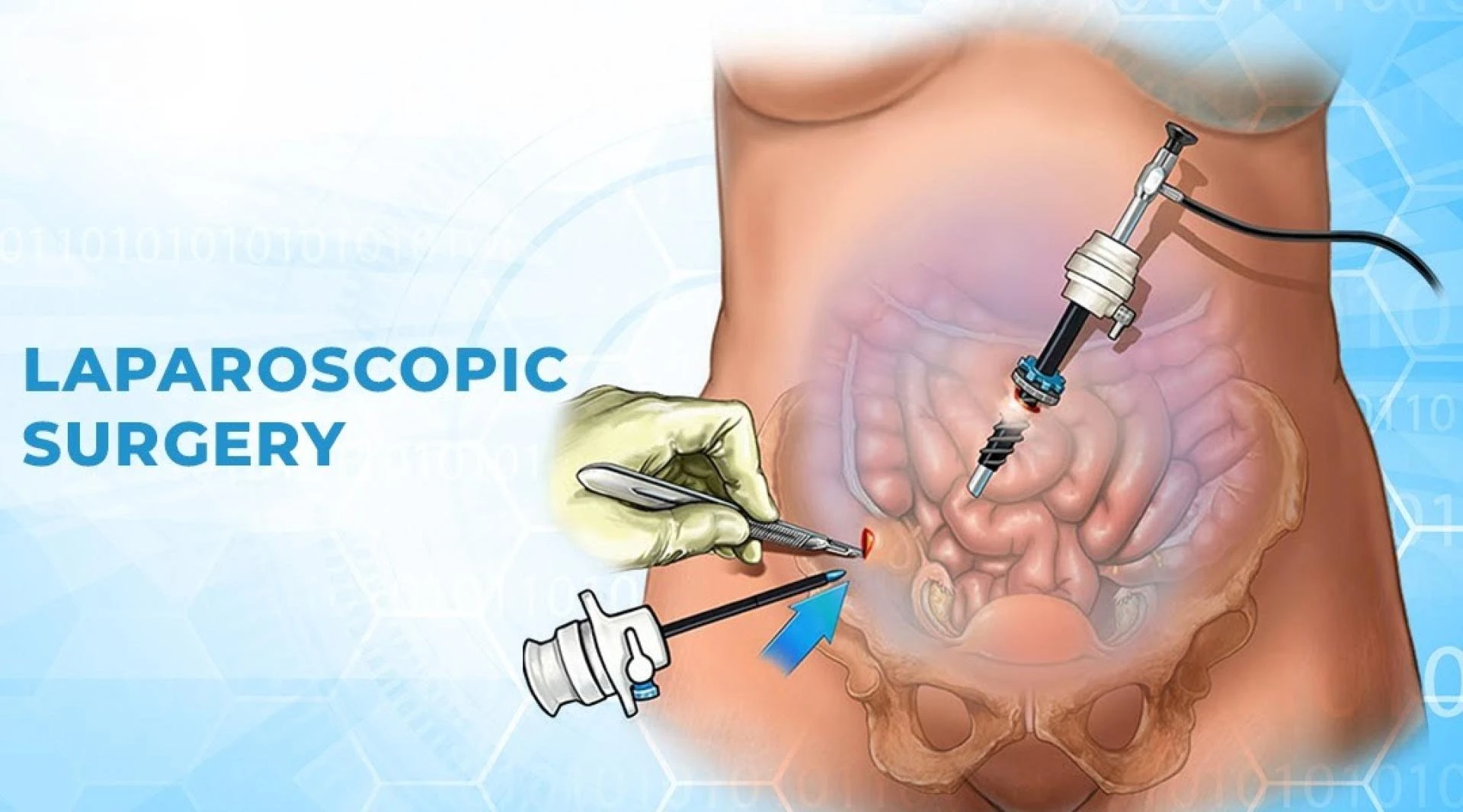

Life doesn't have to be drastically disrupted by surgery anymore. Patients now view treatment differently due to advancements in minimally invasive procedures, and general laparoscopic surgery is at the heart of this transition. It provides a quieter, more controlled experience that honors the body's natural healing process in place of big incisions and drawn-out recovery.
Smaller Incisions, Lower Physical Stress
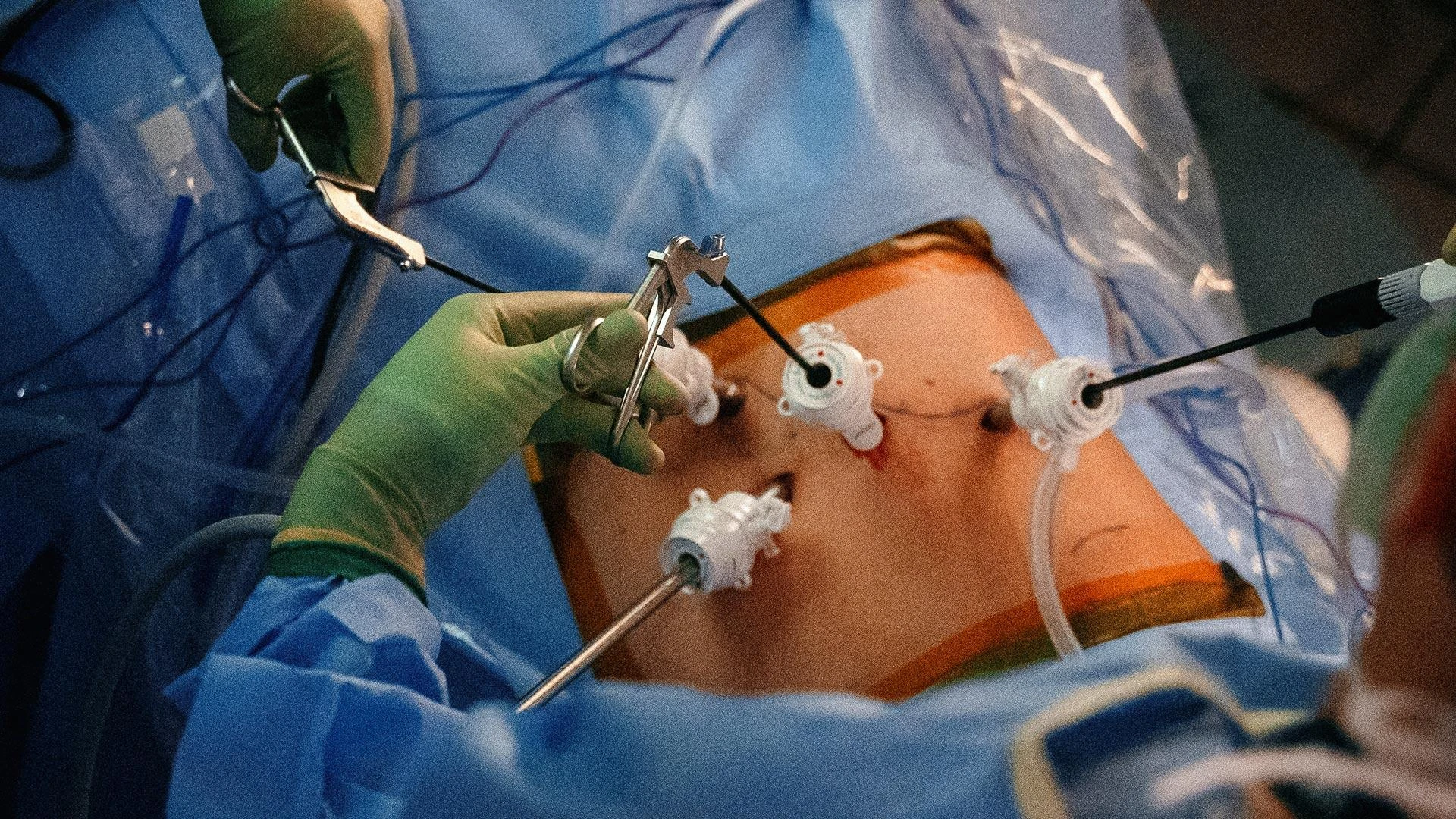
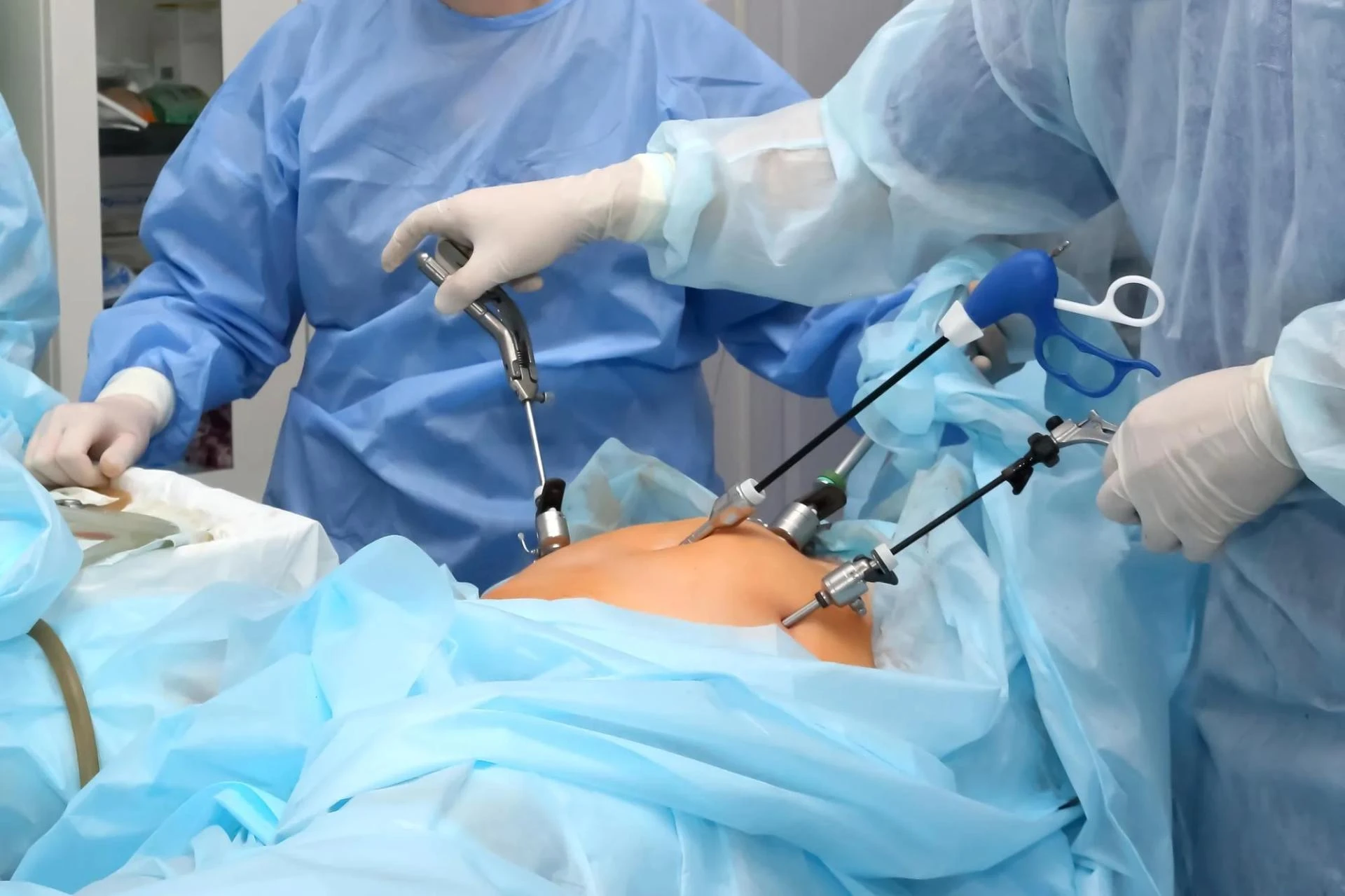
What laparoscopic surgery avoids is one of its most obvious safety benefits. Small cuts reduce damage to internal tissues, muscles, and skin. The risk of infection significantly decreases with reduced exposure. Moreover, there is less blood loss, which promotes a steady recovery and reduces complications following surgery.
Precision That Protects Surrounding Organs
Surgeons can view structures in remarkable detail during laparoscopic surgeries, thanks to enhanced, high-definition pictures. This improved clarity facilitates methodical, cautious moves. Surgical safety is strengthened when fragile tissues are handled more precisely since there is less chance of unintentional damage.
Reduced Pain and Medication Dependence
Patients generally have less pain after surgery because the muscles are not widely opened. This often results in a decreased need for powerful painkillers. Reduced pharmaceutical use makes recovery feel more predictable and controlled by preventing side effects like nausea, exhaustion, or stomach discomfort.
Faster Mobility and Shorter Hospital Stays
A quiet but crucial part of safe healing is early movement. Laparoscopic surgery patients frequently regain movement sooner, which promotes circulation and reduces the risk of complications. Shorter hospital stays enable healing to proceed in a comfortable setting, in addition to reducing exposure to hospital-associated infections.
Experience and Technology Matter
Results significantly increase when highly skilled surgical teams are combined with cutting-edge procedures. Patients looking for the best general laparoscopic surgery in Dubai frequently place a high value on skilled surgeons, cutting-edge operating rooms, and careful post-operative care, all of which support consistent safety throughout treatments.
Adaptable Across Multiple Conditions
Laparoscopic surgery can be used for a variety of ailments, including gallbladder removal, hernia repair, and diagnostic procedures. This flexibility enables treatment programs to be tailored to the patient instead of imposing identical solutions.
A Perspective Worth Remembering
Surgical safety is rarely determined by a single choice. It is built with accuracy, self-control, and reverence for the body. These components come together in general laparoscopic surgery, providing patients with a considerate, comforting route to recovery free from needless interruption.
Frequently Asked Questions
1) Is general laparoscopic surgery appropriate for every condition?
Laparoscopic therapy is not appropriate in every situation. Suitability is influenced by things including past operations, the severity of the illness, and medical history. A surgeon's assessment guarantees that the safest course of action is selected for every patient.
2) Why does laparoscopic surgery reduce complication risks?
Blood loss and tissue exposure are reduced by smaller incisions. Improved visualization facilitates accuracy, which in turn lowers infection rates, reduces internal tension, and facilitates a more seamless recovery following surgery.
3) How soon can patients resume normal activities?
Depending on the surgery, many patients resume light activities in a few days. Faster mobility promotes circulation and healing, while full activity should always adhere to medical advice.
4) Does laparoscopic surgery require advanced equipment?
Yes. Specialized tools and high-definition imaging systems are essential. This technology significantly enhances accuracy and procedural safety when used by experienced surgeons.
5) Are cosmetic outcomes better with laparoscopic surgery?
Scarring is usually minimal because of the modest incision size. Marks frequently disappear over time, providing both significant medicinal advantages and a more aesthetically pleasing result.

























Sign in to leave a comment.