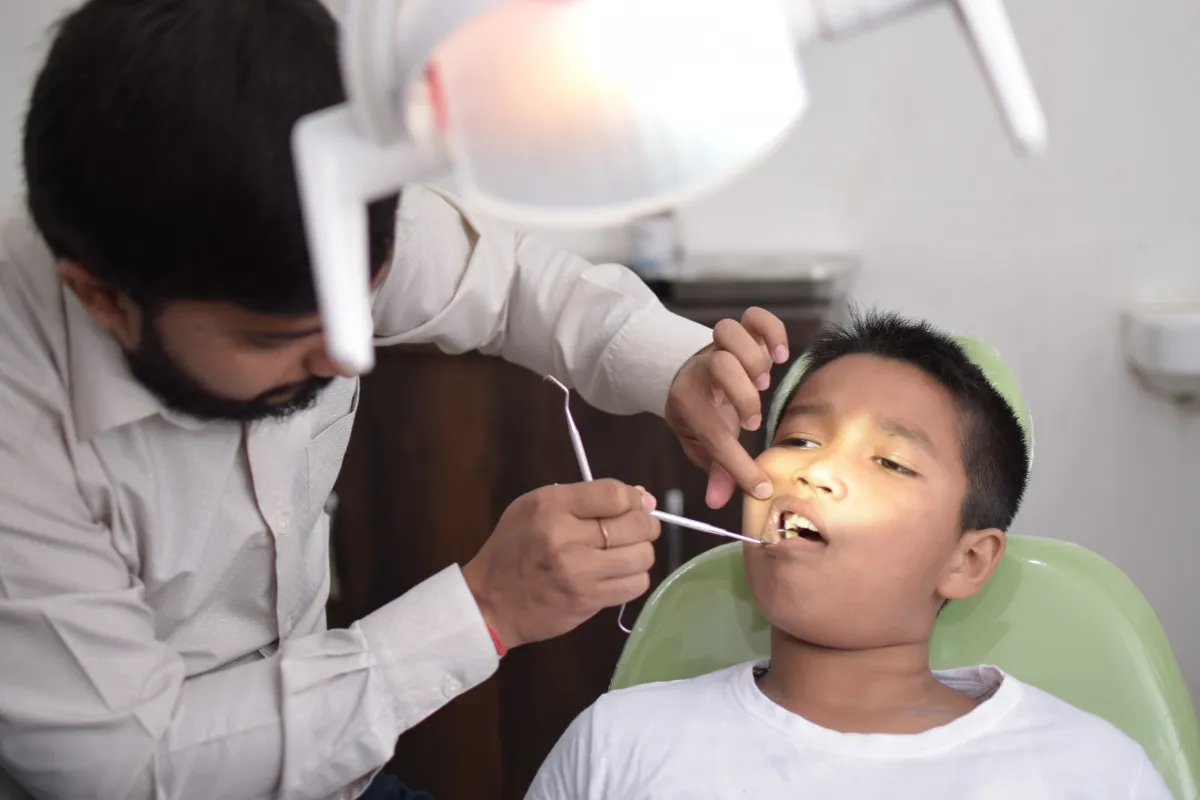

Kids' teeth go through a lot. Sugary snacks, thumb sucking, missed brushing, and plain forgetfulness all add up. Most parents don't realize a dental problem is brewing until their child complains about pain or a teacher mentions bad breath at school.
The good news is that most childhood dental issues are easy to prevent once you know what to watch for. This guide covers the problems that show up most often in young patients, along with simple steps that keep small mouths healthy.
Why Children's Teeth Need Special Attention
Baby teeth aren't just placeholders. They help kids chew, speak clearly, and guide adult teeth into the right position. When a baby tooth is lost too early from decay, it can crowd out space needed later on.
That's why routine visits to your local dentist matter even before all the adult teeth come in. Catching small issues early saves kids from bigger, more painful problems down the road.
Tooth Decay and Cavities
Cavities are the most common dental problem in kids, and they often start earlier than parents expect. Sugary drinks, juice, and snacks left on teeth overnight create the perfect setup for decay.
Signs to watch for include:
- White or brown spots on teeth
- Sensitivity to sweets or cold foods
- Visible holes or pits
- Complaints of pain while chewing
Prevention tips:
- Limit sugary snacks and drinks, especially before bed
- Brush twice daily with a pea-sized amount of fluoride toothpaste
- Schedule checkups every six months
- Ask about dental sealants for back teeth
A local dentist in Corpus Christi can spot early decay on X-rays long before it becomes visible or painful, which makes routine visits worth the trip.
Gum Disease in Young Patients
Gum disease isn't just an adult issue. Kids can develop gingivitis when plaque builds up along the gum line and isn't cleaned away properly.
You might notice red, puffy gums or light bleeding when your child brushes. This usually clears up quickly once brushing and flossing habits improve. Left alone, though, it can turn into a bigger problem that affects the bone supporting the teeth.
Teaching kids to floss, even just once a day, makes a real difference here.
Thumb Sucking and Pacifier Habits
Most toddlers suck their thumb or use a pacifier, and that's completely normal. The trouble starts when the habit continues past age four or five. Prolonged sucking can push front teeth forward or create a gap between the upper and lower teeth.
Gentle reminders work better than scolding. Praise your child when they go without the habit, and talk to your dentist if it's still happening past preschool age. Many clinics offer simple tools or advice to help kids transition away from it without stress.
Teeth Grinding at Night
Grinding, also called bruxism, is surprisingly common in children. It often happens during sleep and can be linked to stress, growth spurts, or simply how the jaw is developing.
Most kids grow out of it, but a dentist in Corpus Christi can check for wear on the teeth and recommend a night guard if grinding is severe. If your child wakes up with jaw pain or headaches, mention it at their next visit.
Crooked Teeth and Bite Problems
As adult teeth come in, some kids end up with crowding, gaps, or a bite that doesn't line up quite right. This is where early evaluation really pays off.
Our team at Tide Dental Orthodontics & Dental Implants offers orthodontic screenings that catch alignment issues while there's still room to guide teeth into place gently. Acting early can mean a shorter, simpler treatment plan later, sometimes avoiding more involved work down the road.
Dental Anxiety in Kids
Fear of the dentist is common and usually comes from not knowing what to expect. A bad first experience can make future visits harder for years.
A few things help:
- Choose a practice that works often with children
- Talk about visits in a calm, positive way at home
- Avoid using the dentist as a threat or punishment
- Ask your provider about kid-friendly explanations of tools and steps
Finding a corpus christi dentist who takes time with nervous kids sets the tone for a lifetime of better dental habits.
Building Healthy Habits at Home
Prevention starts long before any dental chair. A few daily habits protect your child's smile more than anything else:
- Brush together every morning and night
- Replace toothbrushes every three months
- Offer water instead of juice between meals
- Model good habits yourself, kids copy what they see
- Keep a regular schedule for meals and snacks to limit constant sugar exposure
Small, steady routines beat occasional deep cleanings every time.
When to See a Dentist Right Away
Some situations need prompt care rather than waiting for the next scheduled visit:
- A knocked-out or badly chipped tooth
- Swelling in the face or gums
- Persistent pain that disrupts sleep or eating
- A tooth that suddenly turns dark
If any of these come up, don't wait. Getting seen quickly by a dentist in Corpus Christi can prevent a small injury from turning into a bigger problem.
Frequently Asked Questions
1. At what age should my child first see a dentist?
Most experts recommend a first visit by age one, or within six months of the first tooth coming in.
2. How often should kids get dental checkups?
Every six months is standard, though your provider may suggest more frequent visits if your child has a higher risk of cavities.
3. Are dental X-rays safe for children?
Yes. Modern equipment uses very low radiation levels, and X-rays are only taken when needed to check for hidden problems.
4. Is thumb sucking always harmful?
Not at a young age. It only becomes a concern if it continues after permanent teeth start coming in.
5. What's the best toothpaste for young kids?
A fluoride toothpaste in a pea-sized amount is generally recommended once a child is old enough to spit it out rather than swallow it.
6. Can baby teeth get cavities even if they'll fall out anyway?
Yes, and untreated cavities in baby teeth can cause pain and affect the adult teeth growing underneath.
7. How do I know if my child grinds their teeth at night?
Look for worn-down tooth surfaces, jaw soreness in the morning, or a grinding sound a partner or sibling might notice.
8. Should my child use mouthwash?
Most kids under six should skip mouthwash unless a dentist recommends it, since younger children often swallow it by accident.
A Healthy Smile Starts Early
Children's dental problems are common, but almost all of them respond well to early attention and steady home care. Watching for warning signs and sticking to regular visits saves your child from pain and saves you from bigger bills later.
If it's been a while since your child's last checkup, or you've noticed any of the signs above, don't wait for things to get worse. Book an online consultation with Tide Dental Orthodontics & Dental Implants and give your child's smile the start it deserves. Families across the area trust our team as their go-to corpus christi dentist for gentle, thorough care that grows with their kids.





























Sign in to leave a comment.