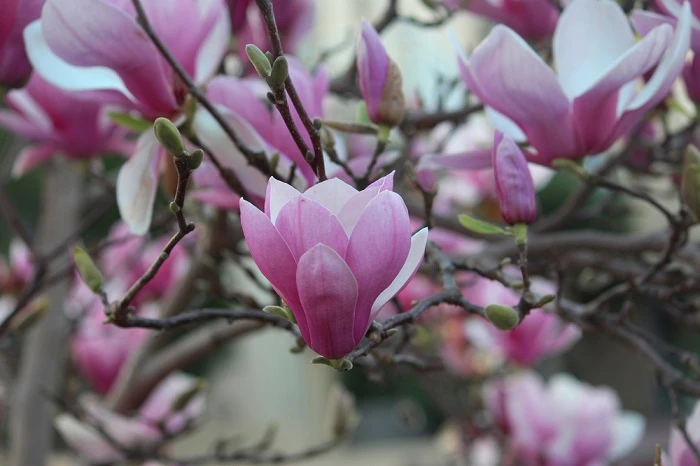

Magnolias occupy a special place in the world of floral symbolism, distinguished by their ancient origins, striking appearance, and layered cultural meanings. Unlike many flowers whose symbolism developed primarily in modern or medieval traditions, magnolia symbolism reaches back millions of years, giving it a depth that few other blooms can rival. The magnolia flower represents a convergence of strength and softness, endurance and beauty, making it uniquely resonant across cultures, spiritual traditions, and emotional interpretations. Exploring what sets magnolia symbolism apart reveals why this flower continues to captivate human imagination.
The Ancient Origins of Magnolia Symbolism
A Flower Older Than Bees
One of the most remarkable aspects of magnolias is their prehistoric lineage. Fossil records indicate that magnolia plants existed over 95 million years ago, predating bees and relying instead on beetles for pollination. This extraordinary age contributes significantly to magnolia symbolism, associating the flower with endurance, survival, and timelessness.
Because magnolias have persisted through massive environmental changes, they symbolize resilience and the quiet strength required to endure transformation. This ancient quality distinguishes magnolias from flowers that emerged later and are often associated with fleeting beauty or temporary emotion.
A Living Link to the Past
Magnolia symbolism is deeply tied to continuity and heritage. The flower’s survival across eras positions it as a symbol of stability and rootedness. In many cultural interpretations, magnolias represent respect for ancestry and the wisdom carried through generations, reinforcing their association with dignity and legacy.
Visual Elegance and Symbolic Meaning
Strength Hidden in Delicacy
At first glance, magnolia blossoms appear soft and fragile, with smooth petals and gentle curves. However, these petals are surprisingly thick and resilient. This physical contrast is central to magnolia symbolism, representing inner strength masked by outward grace.
This duality sets magnolias apart from flowers that symbolize either toughness or fragility alone. Magnolia symbolism uniquely captures the idea that true strength does not need to appear harsh or aggressive. Instead, it can exist quietly within elegance and composure.
Monumental Presence in Bloom
Magnolia flowers are often large and commanding, whether in creamy whites, soft pinks, or deep purples. Their size and bold form give them a stately presence, reinforcing associations with nobility, honor, and self-respect. Unlike smaller flowers that suggest humility or modesty, magnolias convey confidence without ostentation.
Magnolia Symbolism Across Cultures
Eastern Spiritual Interpretations
In East Asian traditions, particularly in China and Japan, magnolia symbolism is closely linked to purity, balance, and feminine dignity. The flower has long been associated with refined beauty and moral integrity. In classical Chinese art and poetry, magnolias often appear as symbols of virtuous women and harmonious living.
The magnolia’s early blooming season also contributes to its symbolism of renewal and hope. Appearing before many other flowers, magnolias represent the courage to emerge early and stand firm despite uncertainty.
Western Cultural Associations
In Western traditions, magnolia symbolism often emphasizes honor, perseverance, and steadfast love. In the American South, magnolias are iconic, symbolizing hospitality, tradition, and regional pride. Their evergreen leaves further reinforce meanings of constancy and loyalty.
Victorian flower language also embraced magnolias as symbols of dignity and perseverance, distinguishing them from more romantically expressive flowers like roses or lilies.
Emotional and Psychological Dimensions
A Symbol of Quiet Confidence
Magnolia symbolism resonates strongly on an emotional level, particularly in its association with self-worth and inner calm. The flower does not rely on intense fragrance or delicate fragility to attract attention. Instead, it commands presence through form and stability.
This quality makes magnolias powerful symbols for individuals who value emotional resilience, patience, and self-assurance. Magnolia symbolism encourages the idea that confidence can be calm rather than loud, steady rather than reactive.
Healing and Emotional Balance
Magnolias are often associated with emotional healing and balance. Their serene appearance and slow, deliberate blooming process suggest emotional maturity and thoughtful growth. In symbolic interpretations, magnolias encourage reflection, self-respect, and the integration of past experiences into present strength.
This emotional depth sets magnolia symbolism apart from flowers that focus primarily on passion, joy, or sorrow alone.
Spiritual and Philosophical Meanings
Endurance Through Change
Spiritually, magnolia symbolism often reflects endurance through cycles of change. Because magnolia trees can live for decades and bloom reliably year after year, they symbolize faith in continuity and trust in natural rhythms.
Magnolias remind observers that transformation does not require abandoning one’s essence. Growth can occur while maintaining integrity, a message that resonates strongly in spiritual reflection.
Harmony Between Earth and Spirit
The magnolia’s grounding presence as a tree combined with its ethereal blossoms creates a symbolic bridge between the material and spiritual realms. This balance enhances magnolia symbolism as a representation of harmony between physical existence and higher ideals.
Magnolia Symbolism Compared to Other Flowers
Distinction from Romantic Symbolism
While roses dominate romantic symbolism and lilies often represent purity or mourning, magnolias occupy a more complex symbolic space. Magnolia symbolism does not center on fleeting emotion or singular themes. Instead, it encompasses maturity, dignity, endurance, and quiet power.
This breadth of meaning allows magnolias to be appropriate in a wide range of contexts, from celebrations of achievement to moments of remembrance and reflection.
A Symbol of Wholeness
Magnolia symbolism stands out because it integrates multiple dimensions of human experience. It acknowledges vulnerability without weakness, beauty without vanity, and strength without force. Few flowers embody such a holistic symbolic identity.
Modern Interpretations and Continued Relevance
Magnolia Symbolism in Contemporary Life
In modern symbolism, magnolias continue to represent personal growth, resilience, and self-respect. They are often chosen for tattoos, artwork, and ceremonial settings to signify overcoming adversity with grace.
Magnolia symbolism also aligns with contemporary values that emphasize emotional intelligence, balance, and authenticity. Its timeless message adapts easily to modern narratives of empowerment and healing.
Environmental and Cultural Awareness
As awareness of environmental preservation grows, magnolias have also come to symbolize respect for nature’s longevity. Their ancient origins remind humanity of its responsibility to protect living connections to the past.
Conclusion
Magnolia symbolism is unique among flowers because it weaves together ancient history, visual strength, emotional depth, and spiritual balance. Unlike symbols rooted solely in romance, purity, or transience, magnolias represent enduring dignity, quiet resilience, and harmonious growth. Their ability to embody both softness and strength, rootedness and renewal, gives magnolia symbolism a timeless and universal appeal. Through centuries and across cultures, the magnolia continues to stand as a powerful emblem of grace that endures, making it truly singular in the language of flowers.


























Sign in to leave a comment.