

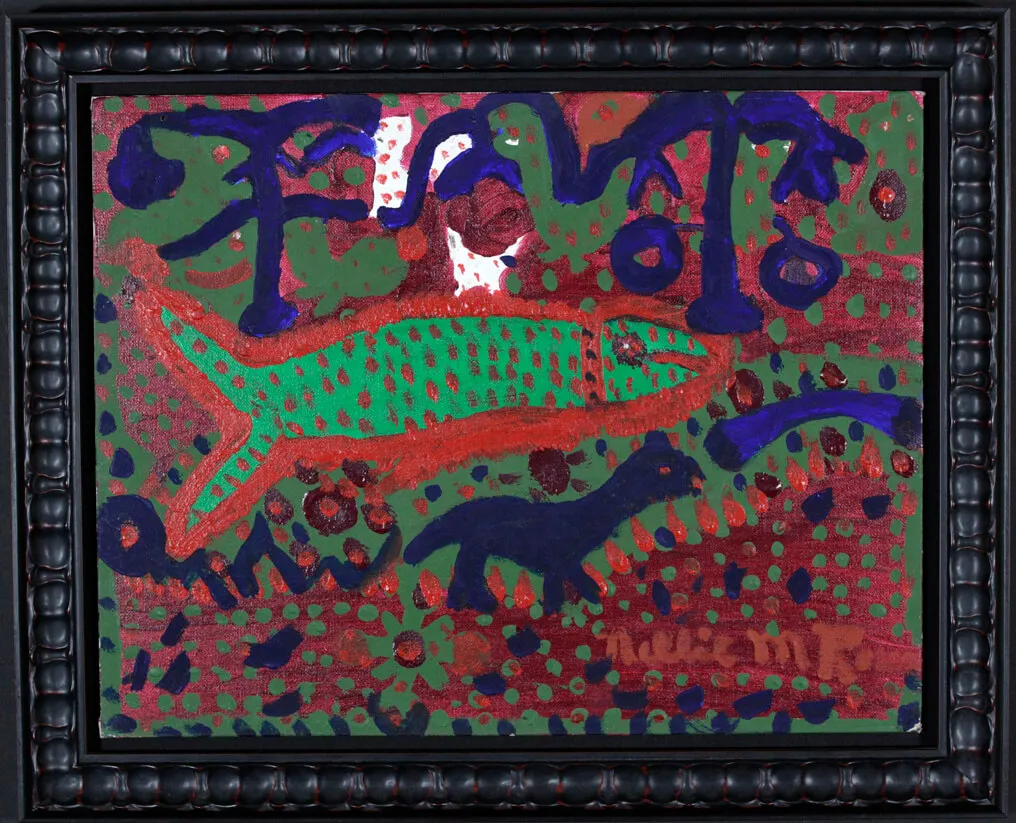
Nellie Mae Rowe's artwork continues to attract art lovers because of its honest storytelling, rich symbolism, and colorful style. Self-taught and deeply connected to her personal experiences, Rowe created works that reflected her memories, beliefs, and observations of everyday life.
Rather than following formal artistic traditions, she developed her own visual language that speaks to viewers across generations. Her pieces are valued not only for their artistic quality but also for the meaningful stories they tell.
A Personal Style Rooted in Life Experiences
Nellie Mae Rowe's creative journey was shaped by her upbringing, family life, and the world around her. After spending much of her life caring for others and managing household responsibilities, she devoted herself to making art later in life. This period allowed her to express thoughts and emotions that had remained unspoken for years.
Her drawings often feature bright colors, expressive faces, animals, flowers, and symbolic objects arranged in imaginative compositions. Instead of aiming for realism, she focused on sharing feelings and memories. Each piece reflects a personal viewpoint, making her work both relatable and distinctive.
Why Is Nellie Mae Rowe Artwork So Memorable?
Collectors and museums continue to appreciate her work because it combines creativity with genuine emotion. Nellie Mae Rowe's artwork presents scenes filled with symbolic details that encourage viewers to look beyond the surface. Birds, trees, figures, and decorative patterns often represent freedom, spirituality, family, and personal experiences.
Her use of color also contributes to the emotional impact of each composition. Bright reds, yellows, blues, and greens create energy while guiding the viewer's attention throughout the artwork. Even with complex arrangements, her pieces remain balanced and engaging.
Another notable feature is her willingness to present life as she experienced it. Rather than idealizing events, she included moments of joy, hardship, hope, and faith. This honest approach gives her artwork lasting value.
The Importance of Symbolism in Her Art
Many of Rowe's works contain recurring symbols that carry deeper meanings. Animals may represent protection or companionship, while flowers often suggest growth and beauty. Human figures frequently express relationships, personal memories, or social observations.
Because she relied on symbols instead of detailed written explanations, viewers are encouraged to interpret each artwork in their own way. This layered storytelling keeps her pieces interesting even after repeated viewing.
Her artistic choices also reflect the traditions of Southern folk art while remaining deeply personal. Instead of copying established styles, she created compositions that reflected her imagination and life experiences.
A Lasting Influence on Folk Art
Nellie Mae Rowe has earned recognition as one of America's respected self-taught folk artists. Her work has been featured in museum collections and exhibitions that celebrate artists whose creativity developed outside traditional academic training.
Collectors value her pieces because they represent both artistic originality and cultural history. Each artwork provides insight into her life while also preserving an important chapter in American folk art. As interest in self-taught artists continues to grow, her contributions remain highly regarded among collectors, historians, and art enthusiasts.
Conclusion
The lasting appeal of Nellie Mae Rowe's artwork comes from its heartfelt storytelling, meaningful symbolism, and vibrant visual style. Every piece reflects her personal experiences, beliefs, and imagination, allowing viewers to connect with the work on many levels. Her artistic legacy continues to inspire those who appreciate authentic folk art and creative expression.
If you are interested in adding meaningful folk art to your collection, explore carefully selected works inspired by celebrated artists like Nellie Mae Rowe and discover pieces that bring history, creativity, and character into your space.
























Sign in to leave a comment.