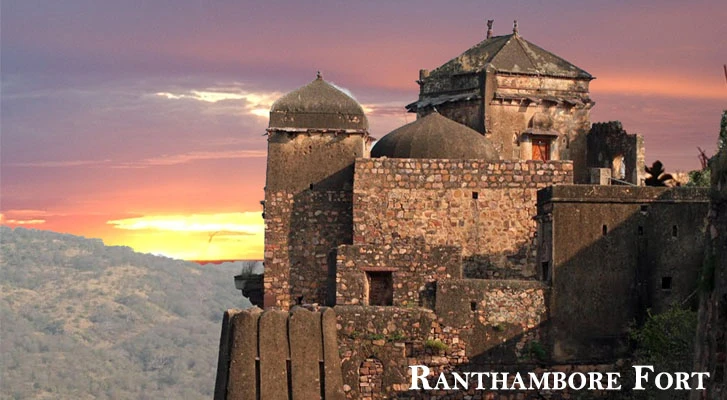

Nestled in the heart of Rajasthan’s wilderness, Ranthambore Fort stands as a timeless sentinel, echoing stories of valor, heritage, and royal grandeur. This majestic structure, located within the famed Ranthambore National Park, draws travelers from across the globe not just for its breathtaking architecture, but for the rich legacy it represents. Visitors often combine their exploration of this UNESCO World Heritage Site with a stay at an exquisite resort in ranthambore to experience nature, history, and luxury in one seamless journey.
The Legendary Origins of Ranthambore Fort
Ranthambore Fort dates back to the 10th century, built by the Chauhan rulers as a stronghold against invasions and territorial disputes. Its name is derived from “Ranth” and “Bhor,” symbolizing the invincible spirit of its defenders. Over the centuries, the fort witnessed the reign of various dynasties including the Chauhans, Mughals, and Rajputs, each leaving behind distinctive architectural imprints. Its massive walls, ancient temples, and royal palaces narrate tales of power, strategy, and devotion that shaped Rajasthan’s political and cultural identity.
Strategic Location and Architectural Brilliance
The fort’s location atop a 700-foot-high hill within the Aravalli and Vindhya ranges gave it a natural advantage in defense. Surrounded by deep valleys, thick forests, and stone ramparts, Ranthambore Fort was considered nearly impregnable. The gateways—such as Navlakha Pol, Suraj Pol, and Hathi Pol—showcase the intricate planning and craftsmanship of early Indian fortifications. Inside, ancient stepwells, water reservoirs, and temples like the revered Trinetra Ganesh Temple display the fort’s blend of practicality and spiritual grandeur. This architectural resilience ensured that the fort withstood countless sieges and remains remarkably intact even today.
Royal Connections and Historical Battles
Ranthambore Fort holds a special place in Rajput history. It was one of the strongest seats of the Chauhans until it was captured by Alauddin Khilji in 1301 after a fierce battle. The bravery of King Hammir Dev Chauhan is legendary—his resistance against Khilji’s forces is still celebrated in Rajasthani folklore. Later, the fort came under the control of the Mughals, who recognized its strategic significance for protecting trade routes and controlling the region. Under Emperor Akbar, the fort served as a vital military post, and its surrounding forests were declared royal hunting grounds.
Symbol of Cultural and Spiritual Heritage
Beyond its military glory, Ranthambore Fort holds deep cultural and spiritual significance. The Trinetra Ganesh Temple, one of the oldest in Rajasthan, attracts thousands of devotees each year. Legend says that King Hammir Dev Chauhan received a divine vision of Lord Ganesha before his final battle, prompting the construction of this temple. Even today, locals and tourists visit the fort to offer prayers and witness the temple’s eternal lamps that have burned for centuries. The fort’s serene environment, combined with its religious symbolism, makes it a sacred destination for many.
Connection with Nature and Wildlife
The fort’s unique setting within the Ranthambore National Park enhances its allure. Once a private hunting reserve of the Jaipur royal family, the park today is a sanctuary for tigers, leopards, and diverse wildlife species. The fort’s vantage points offer panoramic views of the surrounding forests, lakes, and hills—making it a paradise for photographers and nature enthusiasts. Many visitors combine their historical exploration with wildlife adventures in the Ranthambore Safari Zone, where the thrill of spotting a tiger amidst ancient ruins adds to the mystique of the destination.
The Fort’s Role in Modern Heritage Conservation
Today, Ranthambore Fort stands as a beacon of heritage preservation and sustainable tourism. Recognized by UNESCO as part of the Hill Forts of Rajasthan, it symbolizes India’s rich architectural legacy. The Archaeological Survey of India (ASI) continues to maintain and restore the fort’s structures, ensuring that future generations can witness its magnificence. Tourism authorities and local communities work together to balance visitor engagement with conservation, emphasizing responsible travel practices to protect both the fort and its surrounding ecosystem.
Experiencing Ranthambore’s Grandeur
A visit to Ranthambore Fort is not merely a journey through history—it is an encounter with India’s timeless spirit. Travelers can witness ancient Rajput artistry, serene temples, and stunning wildlife, all within a short distance from modern hospitality options. Choosing a luxury resort in ranthambore allows guests to enjoy regal comfort while immersing themselves in the cultural richness of the region. These resorts often organize guided tours, heritage walks, and safari excursions, providing visitors with an authentic and immersive experience that blends past and present seamlessly.
Conclusion: A Living Chronicle of Rajasthan’s Legacy
Ranthambore Fort remains one of India’s most fascinating historical landmarks—a living monument that bridges centuries of royal legacy, architectural mastery, and cultural devotion. Its walls have witnessed the rise and fall of empires, yet they continue to stand as symbols of courage, faith, and endurance. Visiting the fort offers not just a glimpse into Rajasthan’s glorious past, but also an opportunity to appreciate the harmony between history, nature, and modern hospitality. Whether it’s the echoes of ancient battles, the chants from age-old temples, or the call of the wild in the nearby forest, every moment spent at Ranthambore Fort is a journey through time itself.































Sign in to leave a comment.