

Ranthambore National Park, nestled in the heart of Rajasthan, is one of India’s most captivating wildlife destinations. Known for its majestic Bengal tigers, ancient ruins, and stunning natural landscapes, it offers an unforgettable experience for nature enthusiasts, photographers, and adventure seekers alike. For travelers looking to immerse themselves fully in this wilderness, the best resort in Ranthambore provides the perfect blend of comfort and authenticity right at the edge of the park’s enchanting forest.
Exploring the Legacy of Ranthambore National Park
Located near the town of Sawai Madhopur, Ranthambore National Park spans over 1,300 square kilometers and was once the hunting ground of the Maharajas of Jaipur. Today, it stands as a protected haven for diverse wildlife species, including leopards, sloth bears, hyenas, and hundreds of bird species. The park’s history is intertwined with the 10th-century Ranthambore Fort, a UNESCO World Heritage Site that overlooks the jungle, symbolizing centuries of royal heritage and natural splendor. Visitors can explore the fort’s ancient temples, stepwells, and ramparts that offer panoramic views of the dense forest below.
The Best Time to Visit Ranthambore
The park remains open from October to June, with each season offering a unique charm. The winter months, from November to February, provide pleasant weather and clear skies, perfect for safaris and sightseeing. During summer, particularly from April to June, the higher temperatures draw animals to the waterholes, increasing the chances of spotting tigers and other wildlife. Monsoon season, while lush and vibrant, usually marks the closure of the park from July to September for regeneration.
Wildlife Encounters and Safaris in Ranthambore
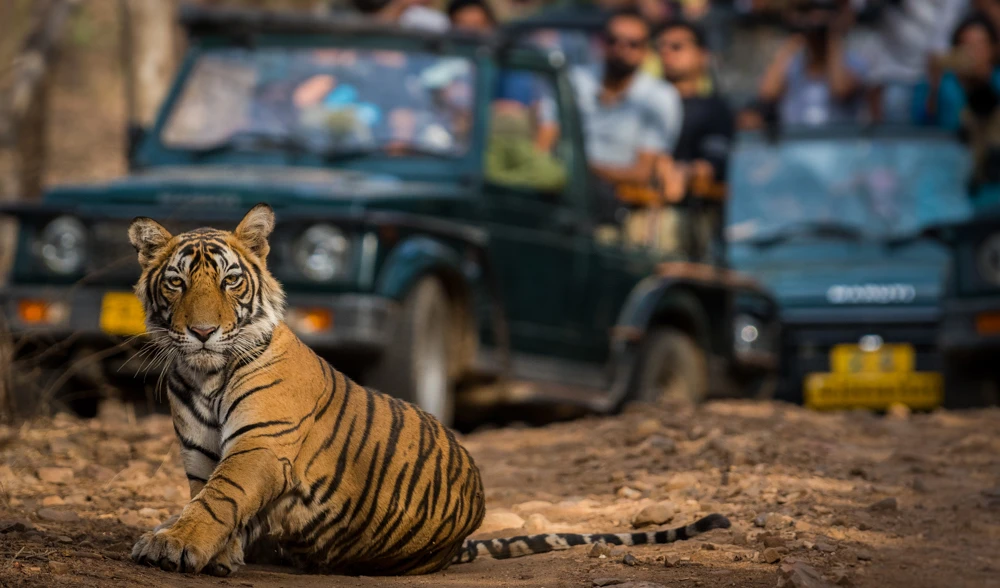
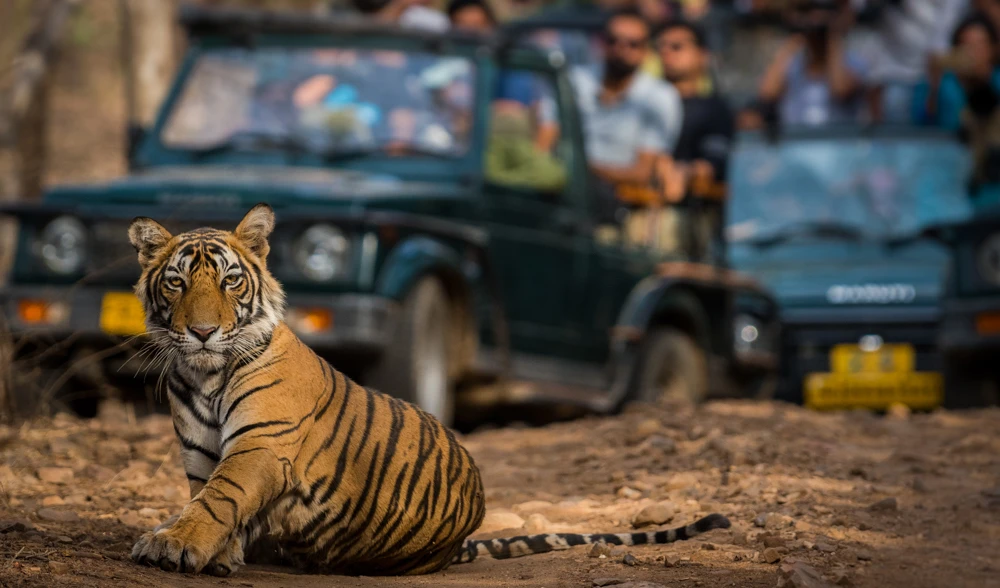
The highlight of every visit to Ranthambore is the thrilling safari experience. Safaris are conducted in open jeeps and canters, providing visitors an up-close view of wildlife in their natural habitat. The Canter Safari in Ranthambore is particularly popular among larger groups, allowing 20 people per vehicle, accompanied by experienced guides who share insights into animal behavior and tracking techniques. Morning safaris often reveal animals basking in the golden light, while evening rides showcase the jungle’s mysterious allure under the fading sun.
Staying at a Luxury Resort in Ranthambore
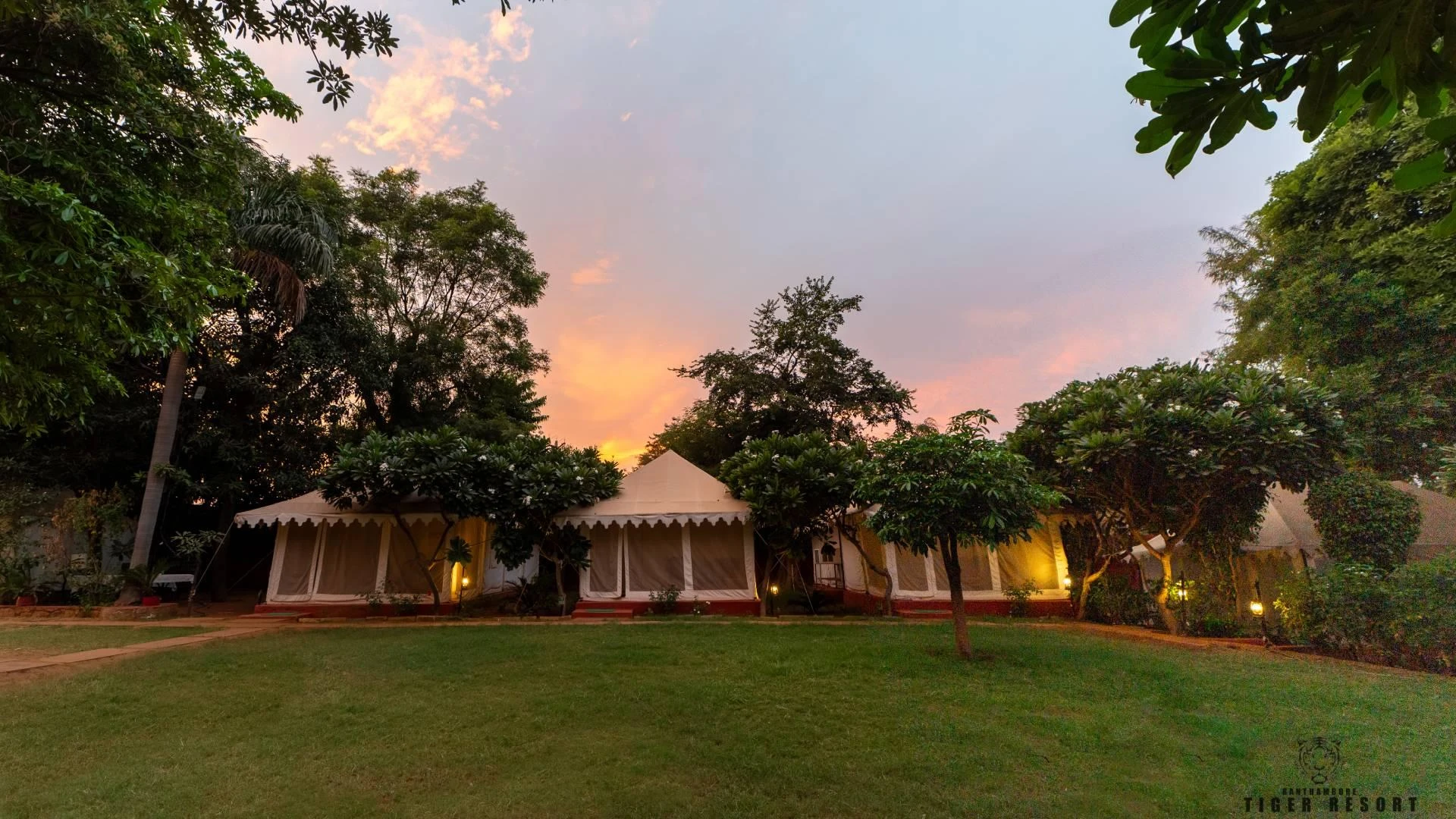
Accommodation plays a crucial role in enhancing your overall experience. Choosing a luxury resort in Ranthambore ensures that guests enjoy not just comfort but also an immersive connection with nature. These resorts blend traditional Rajasthani architecture with modern amenities, offering well-appointed cottages, private decks, and jungle views. Many properties also emphasize sustainability—using eco-friendly materials, supporting local communities, and offering organic dining options sourced from nearby farms. After an adventurous day, guests can unwind by the pool, indulge in a spa session, or simply relax under the starlit sky while listening to the sounds of the wild.
Experiencing Ranthambore Beyond Wildlife
While tiger spotting is the park’s main attraction, Ranthambore offers much more for the discerning traveler. The ancient Ranthambore Fort stands as a testament to Rajasthan’s royal heritage and provides a glimpse into the region’s glorious past. Nature lovers can explore Padam Talao, the largest lake in the park, often graced by crocodiles and flocks of migratory birds. Surwal Lake, another scenic spot, attracts bird watchers during the winter months. Additionally, local villages around Sawai Madhopur present an authentic experience of Rajasthani culture—colorful markets, traditional handicrafts, and warm hospitality that reflect the spirit of rural India.
Photography and Nature Trails
For photographers, Ranthambore is a living canvas. The golden grasslands, crumbling ruins, and reflective lakes make every frame a masterpiece. Capturing a tiger prowling through the mist or a peacock dancing at dawn are moments that linger forever. Several guided nature trails outside the core zones allow visitors to explore the flora and smaller fauna, while also learning about the park’s delicate ecological balance. These experiences not only enrich your travel memories but also cultivate awareness about wildlife conservation.
Responsible Travel and Conservation Efforts
Ranthambore’s success as a tiger reserve owes much to conservation efforts under Project Tiger. Responsible tourism is key to sustaining this ecosystem. Visitors are encouraged to follow park guidelines, avoid littering, and respect the natural habitat. Many resorts and tour operators actively participate in conservation programs, such as habitat restoration and community awareness campaigns. By supporting local employment and eco-friendly initiatives, travelers contribute to the long-term preservation of this magnificent sanctuary.
Travel Tips for Visiting Ranthambore
- Book Safaris Early: Safari permits are limited and often sell out weeks in advance. Early booking ensures your preferred time slot and zone.
- Carry Essentials: Binoculars, sunscreen, hats, and cameras are must-haves for every safari.
- Dress Comfortably: Neutral-colored clothing helps you blend with the environment and avoid startling animals.
- Stay Connected Locally: Engage with local guides—they possess deep knowledge of the terrain and wildlife movements.
- Plan a Balanced Itinerary: Combine safaris with cultural exploration to experience the best of Ranthambore.
Conclusion
Ranthambore National Park remains one of India’s most extraordinary wildlife destinations—a seamless blend of adventure, history, and serenity. Whether it’s witnessing a tiger’s stealthy stride, walking through ancient fort corridors, or relaxing in a tranquil resort amid the forest, every moment here feels timeless. Thoughtful planning, responsible travel, and choosing the right accommodation enhance the entire experience, turning a visit into a journey of discovery. Ranthambore doesn’t just reveal nature’s grandeur; it reconnects you with it in the most profound way.



























Sign in to leave a comment.