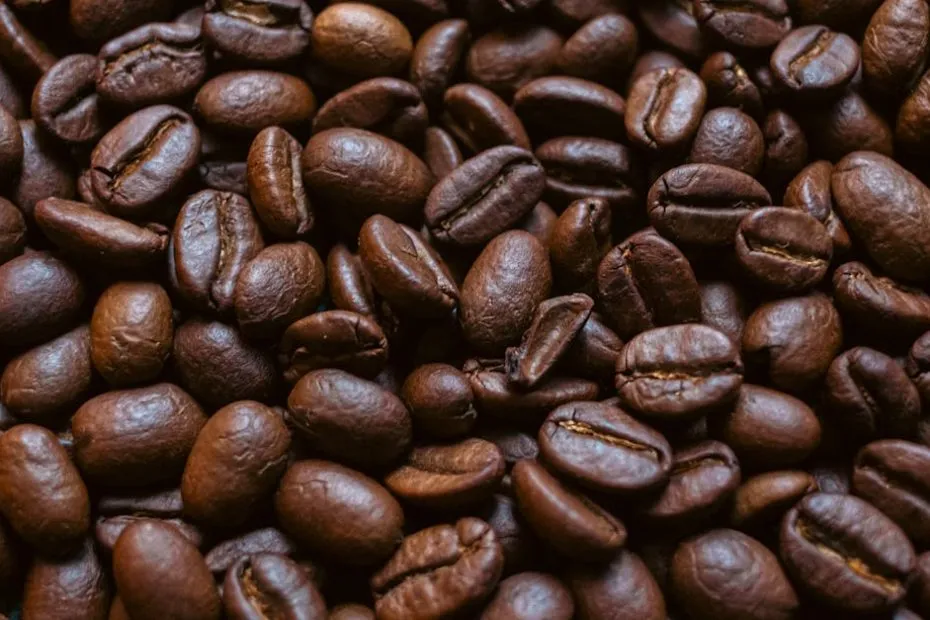

The coffee scene in South Africa has grown rapidly over the past decade. What was once a market dominated by instant coffee and generic supermarket blends has shifted toward something far more exciting. Small-batch roasters, single-origin selections, and specialty blends are now part of everyday conversations among coffee lovers across the country.
Why Freshly Roasted Beans Make All the Difference
There is a reason why coffee enthusiasts obsess over roast dates. Freshly roasted coffee beans lose their peak flavour within a few weeks of roasting. The oils that carry all those complex tasting notes start to break down the moment beans come out of the roaster. Supermarket bags that have been sitting on shelves for months simply cannot compete with beans that arrived at your door days after roasting.
The difference shows up in every sip. Fresh beans produce a brighter, more layered cup with distinct flavour notes. Stale beans taste flat and one-dimensional, no matter how expensive the grinder or how precise the brewing method.
Finding the Right Roast Profile
Not all coffee drinkers want the same thing. Some prefer a dark, smoky espresso that punches through milk. Others want a light, fruity filter coffee that tastes more like juice than traditional coffee. The roast profile determines most of this.
Light roasts preserve the origin character of the bean. A Kenyan light roast might taste of blackcurrant and citrus, while an Ethiopian one could lean toward blueberry and jasmine. Medium roasts balance origin flavour with roast sweetness, often bringing out caramel and chocolate notes. Dark roasts push into smoky, bitter territory, which works well for espresso-based drinks.
When you buy coffee beans online, most roasters will list tasting notes and recommended brew methods. Pay attention to these. They are not marketing fluff. They tell you exactly what to expect from the bag.
The Rise of Specialty Coffee in South Africa
Specialty coffee has a specific definition. The Specialty Coffee Association scores beans on a 100-point scale, and anything above 80 qualifies as specialty grade. These beans come from carefully managed farms, are harvested at peak ripeness, and processed with precision.
South African roasters have embraced this standard with serious dedication. Relationships with farmers in Ethiopia, Kenya, Colombia, Brazil, and beyond have produced some remarkable offerings. The result is a local market that can stand alongside coffee cultures in Melbourne, London, or Portland.
What makes the local scene special is the blending tradition. Many South African roasters create signature blends that combine beans from different origins to produce something consistent and balanced. These blends often become the backbone of a roaster’s lineup, offering a reliable daily drinker alongside rotating single-origin releases.
How to Store Your Beans Properly
Buying great beans means nothing if they go stale in your kitchen. The enemies of fresh coffee are oxygen, moisture, heat, and light. A sealed, opaque container stored at room temperature is the simplest and most effective solution.
Avoid the fridge. Coffee absorbs odours from everything around it, and the moisture from opening and closing a cold container accelerates staleness. The freezer can work for long-term storage of unopened bags, but once thawed, use them quickly.
Buy in quantities you can finish within two to three weeks. It is tempting to stock up, but smaller, more frequent orders will always produce better results in the cup.
Brewing Methods That Get the Most From Your Beans
The brewing method shapes the final cup just as much as the beans themselves. A French press produces a full-bodied, oily cup that showcases heavier flavour notes. Pour-over methods like the V60 or Chemex create a cleaner, more delicate brew that highlights acidity and floral notes.
Espresso concentrates everything into a small, intense shot. It demands a finer grind, higher pressure, and more precision than other methods. For those who drink milk-based coffee, espresso is the foundation that carries flavour through the milk.
AeroPress sits somewhere in between, producing a clean but full cup that forgives minor errors in technique. It has become a favourite among home brewers for its simplicity and consistency.
What to Look for When Shopping for Coffee Beans South Africa
The coffee beans South Africa market offers more choice than ever before. When browsing options, look for roasters who list the roast date on the bag. This is the single biggest indicator of quality and freshness.
Check whether the roaster provides origin information. Knowing that your beans came from a specific farm in Huila, Colombia, or a washing station in Yirgacheffe, Ethiopia, signals transparency and traceability. It also helps you learn your own preferences over time.
Price is a reasonable guide but not a perfect one. Specialty beans cost more because the raw material costs more, and the roasting process requires greater skill and attention. That said, a well-made seasonal blend at a moderate price can easily outperform an expensive single-origin that was roasted weeks ago.
The Convenience of a Coffee Subscription
For those who drink coffee daily, a coffee subscription removes the guesswork entirely. Fresh beans arrive on a schedule that matches your consumption, and many subscriptions rotate through different offerings so you get to try new things without any effort.
Subscriptions also solve the freshness problem automatically. Instead of buying a large bag and watching it go stale, you receive smaller quantities at regular intervals. It is one of the simplest upgrades a home coffee drinker can make.
Why the Best Coffee Beans Are Worth the Investment
The difference between average and excellent coffee beans is not subtle. Once you have tasted a properly roasted, freshly ground cup of specialty coffee, going back to pre-ground supermarket coffee feels like a downgrade. Best coffee beans carry complexity, sweetness, and depth that cheaper alternatives simply cannot replicate.
Think of it in terms of cost per cup. A 250g bag of specialty beans makes roughly 15 to 20 cups of coffee. Even at a higher price point, that works out to a fraction of what a single cafe visit costs. Quality home coffee is one of those rare upgrades that saves money while delivering a better experience.
Supporting Local Roasters Matters
Every bag of coffee beans purchased from a South African roaster supports local jobs, local expertise, and a growing industry that puts the country on the global coffee map. These roasters invest in training, equipment, and relationships with farming communities around the world.
The coffee you drink at home can be just as good as anything served in a top-tier cafe. It starts with choosing the right beans, storing them well, and brewing with a little care. The rest takes care of itself.






























Sign in to leave a comment.