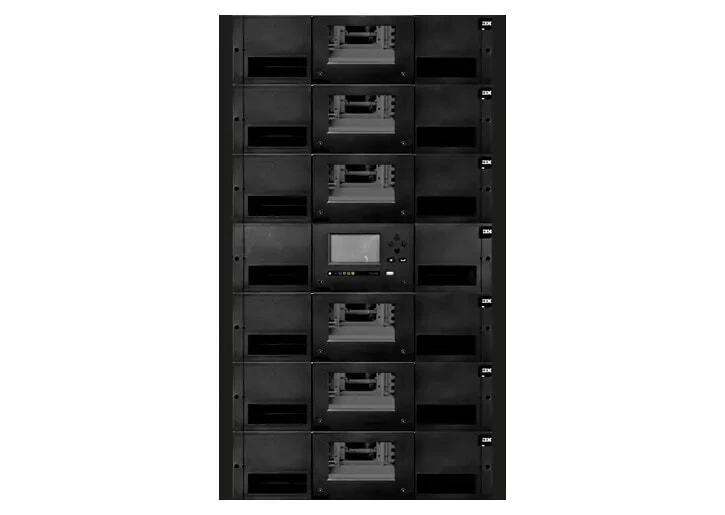

Data grows every day. Companies store emails, files, videos and customer records. This huge amount of data needs safe backup. A strong backup system protects data from loss damage or cyber attacks. Tape storage helps many companies keep data safe for many years.
Reports from the International Data Corporation show that the world will create about 230-240 zettabytes of data by 2026.
This number shows how fast digital information grows. Because of this growth, companies search for reliable backup systems. Tape memory stands out as a trusted solution.
Many data centers still depend on tape memory for long-term storage. Large banks, research centers and cloud companies trust it. They choose tape because it stays stable and secure for a long time.
Today, you’ll learn what makes tape storage reliable for data backup systems.
Protects Data for Many Years
Data backup must last for many years. Some files must stay safe for decades. Tape memory supports this long-life storage need.
Hard drives wear out faster. Solid-state drives also lose data over time. Tape memory lasts longer when stored properly and this long life makes tape useful for archiving important data. Many organizations store legal records, research files and financial data for many years. Tape storage helps protect this information without frequent replacement.
Key reasons why tape lasts long
- Tape media can store data safely for about thirty years.
- Tape does not wear out when not in use.
- Proper storage keeps tape stable for a long time.
- Tape systems reduce frequent hardware changes.
These features help companies trust tape storage for long-term backup systems.
Strong Magnetic Storage Keeps Data Stable
Tape stores data using magnetic recording. This technology keeps data stable for many years. Each tape contains magnetic particles. These particles hold digital information in a fixed pattern.
This design protects data from sudden loss. Tape also avoids damage when systems stay offline. Because of this stability, companies store critical backups on tape.
Improves Security for Backup Systems
Security plays a big role in data backup. Cyber attacks grow every year. Hackers target online systems because they stay connected to networks. Tape storage reduces this risk. Many companies keep backup tapes offline. Offline storage protects data from hackers and malware.
This method also supports air gap protection. An air gap means the backup stays separate from the main system. Hackers cannot reach it through the network.
Benefits of offline tape backups
- Protects data from ransomware attacks.
- Blocks remote hacking attempts.
- Keeps backup separate from active systems.
- Supports safe disaster recovery plans.
Offline Backup Adds a Strong Safety Layer
Many backup systems connect to networks all the time. This connection creates risk. Malware can spread through networks quickly.
Tape storage solves this problem through offline storage. Companies remove tapes from systems after backup. They store them safely in secure locations. This step creates a strong safety layer. Even if hackers attack servers, the tape backup remains safe.
Handles Large Data Volumes
Modern organizations create massive amounts of data. Video files, research data, and system logs increase storage needs. Tape memory supports large-scale data storage.
Modern tape systems store huge amounts of information on a single cartridge. This feature helps companies manage growing backup needs. For example IBM developed modern tape technology that supports extremely large storage capacity. One cartridge can store many terabytes of data.
This high capacity offers several advantages
- Stores large backup data in fewer devices.
- Saves space in data centers.
- Simplifies data archive management.
- Supports long-term storage growth.
Reduces Storage Backup Costs
Cost plays an important role in storage decisions. Companies manage huge data infrastructure. They need affordable storage solutions.
Tape memory offers lower storage cost compared to many other options. Tape cartridges cost less than many disk-based systems. Companies also spend less energy because tapes stay offline. Lower operational cost makes tape memory attractive for large backup environments. These advantages help organizations control storage budgets.
Key cost benefits include
- Low price per gigabyte of storage.
- Reduced power consumption.
- Long life reduces replacement cost.
- Efficient storage for archive data.
Supports Reliable Disaster Recovery
Disaster recovery protects companies during system failures or cyber attacks. A strong recovery plan requires safe backups. Tape storage supports this process effectively. Organizations store backup tapes in different locations.
This step protects data during fires, floods, or system failures. If a disaster occurs, companies restore data from these tapes. The backup stays safe because it remains isolated from the main system. These features strengthen business continuity plans.
Important disaster recovery benefits include
- Safe off-site backup storage.
- Protection during system outages.
- Reliable long-term recovery option.
- Strong support for compliance needs.
Works Well With Modern Storage Systems
Some people think tape technology belongs to the past. This idea is not correct. Modern tape systems work with new storage tools. Many cloud providers and enterprise data centers still use tape libraries. These systems automate tape handling and backup processes.
Modern software also manages tape archives efficiently. This integration allows companies to combine tape storage with disk and cloud solutions. These capabilities show that tape continues to evolve with modern technology.
Advantages of modern tape integration include
- Automated backup management.
- Easy data archive access.
- Efficient storage tier systems.
- Support for large enterprise environments.
Conclusion
Data protection remains one of the biggest priorities for organizations. Every company depends on reliable backup systems to protect critical information.
Tape memory continues to prove its value in this area. It offers long-term durability, strong security and large storage capacity. It also reduces storage cost and supports disaster recovery planning.
Many companies still trust tape systems for these reasons. Offline protection keeps backups safe from cyber threats. Long lifespan protects data for decades. High capacity supports growing digital information.
The world will continue to produce massive data every year. Reliable backup solutions will become even more important. Tape storage stands as a strong and dependable option for secure data backup systems.



Sign in to leave a comment.