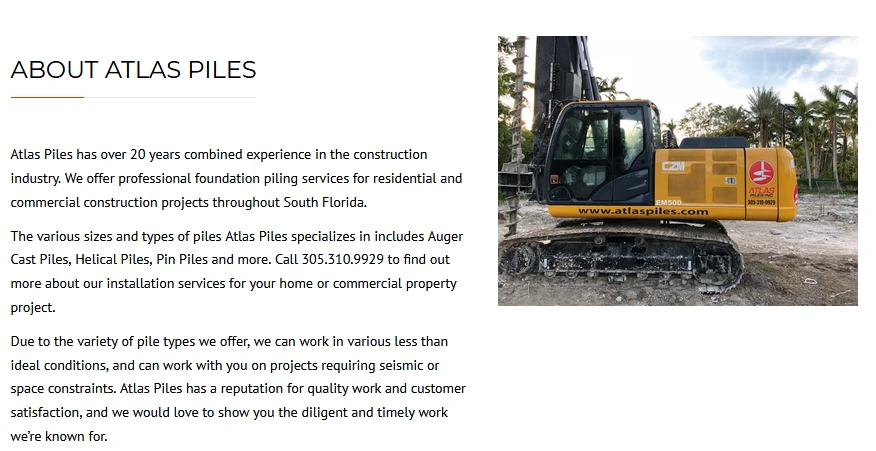

In the Florida Keys, buildings don’t fail quietly. When something goes wrong, the environment makes it obvious. Salt air, shifting soil, high water tables, and strong storms test every structure year after year. In Tavernier, some buildings stand firm through decades of wear, while others show problems far too early. The difference is not luck. It comes down to choices made long before the first wall goes up.
Local experience, foundation planning, and respect for coastal conditions all play a role. Builders who understand these factors create structures that last. Those who ignore them often leave owners facing repairs, instability, and costly upgrades. Looking closely at what separates durable builds from failing ones reveals clear patterns.
Local Conditions Demand Smarter Building Decisions
Tavernier is not a forgiving place to build. The environment rewards preparation and punishes shortcuts.
Ground and Water Conditions Are Unforgiving
The soil in the Upper Keys is unlike inland Florida. It includes coral rock, sand, and layers affected by tidal movement. Groundwater levels are high, and saltwater intrusion is constant.
These conditions create challenges such as:
- Limited load-bearing surface soil
- Erosion caused by water movement
- Shifting ground during storms
- Increased corrosion risk
Builders who account for these realities early design foundations that work with the land, not against it.
Weather Exposes Weak Construction Quickly
Strong winds, storm surge, and heavy rain are not rare events. They are expected. Structures that last are designed with these forces in mind.
Weather-related stress includes:
- Uplift forces during high winds
- Lateral pressure from storm surge
- Repeated moisture exposure
- Salt-driven material breakdown
Ignoring these factors may save money upfront, but it shortens a building’s lifespan dramatically.
Foundation Choices Make or Break Longevity
A strong structure always starts below ground. In coastal areas like Tavernier, foundation design is the most critical decision.
Deep Support Prevents Settlement and Movement
Shallow foundations struggle in areas with unstable soil and high water tables. Over time, they shift, crack, or sink unevenly.
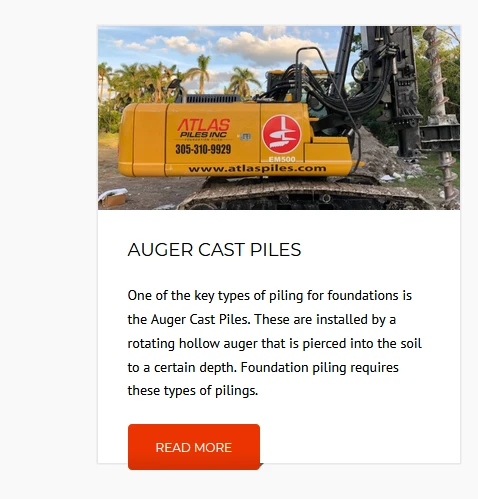
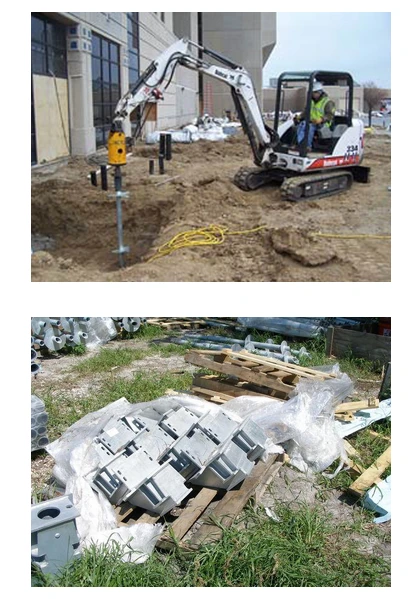
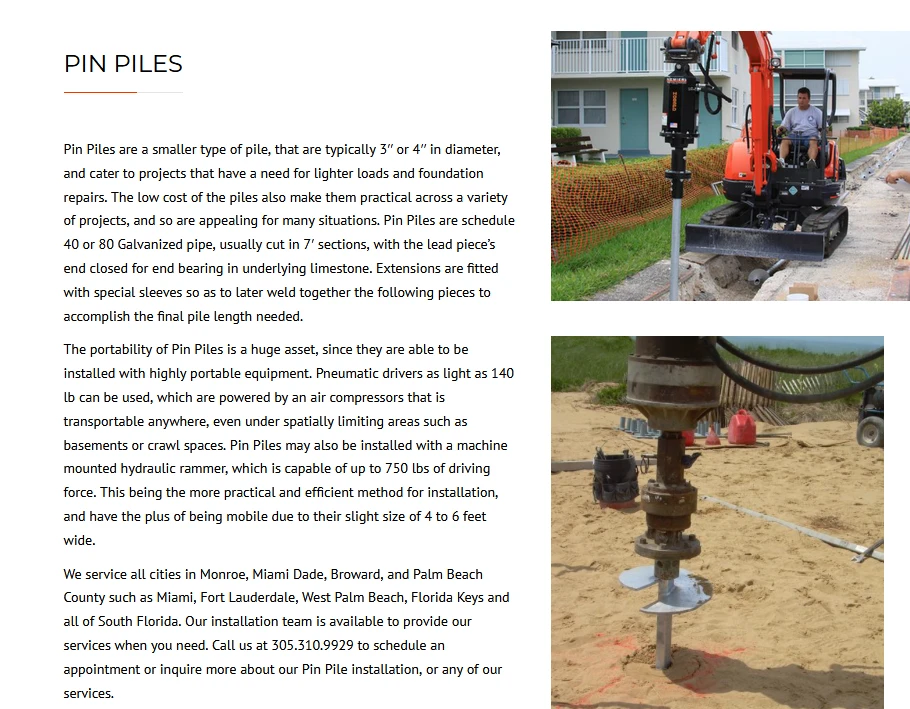
Durable builds rely on deep support systems that:
- Transfer loads to stable layers
- Reduce movement during storms
- Resist erosion and washout
- Maintain alignment over decades
This is where Tavernier Piling plays a major role, providing the depth and stability needed in challenging ground conditions.
Elevation Protects Against Flood Damage
Elevation is not just a code requirement. It is a practical defense against water damage.
Elevated foundations help:
- Reduce flood impact
- Protect structural components
- Improve airflow and drying
- Lower long-term repair costs
Buildings that sit too low often face repeated water damage that weakens structural elements over time.
Material Selection Separates Durable Builds From Weak Ones
Materials behave differently in coastal environments. Choosing the wrong ones guarantees problems.
Resistance to Corrosion and Moisture Matters
Salt air accelerates corrosion. Moisture finds its way into tiny openings and spreads damage slowly.
Long-lasting builds use materials that:
- Resist rust and decay
- Handle constant humidity
- Perform well in temperature swings
- Maintain strength over time
When paired with proper foundation systems like Tavernier Piling, these materials form a structure that can endure harsh exposure.
Quality Over Cost-Cutting
Some failures trace back to materials chosen only to reduce upfront cost. Over time, those savings disappear.
Cost-driven compromises often include:
- Low-grade fasteners
- Untreated or poorly treated wood
- Inadequate protective coatings
- Inferior concrete mixes
Durable builds prioritize lifecycle performance instead of short-term savings.
Skilled Planning and Execution Make the Difference
Good materials alone are not enough. Execution matters just as much.
Builders Who Understand the Keys Build Differently
Local knowledge cannot be replaced by generic construction methods. Builders familiar with Tavernier understand what works here.
Experienced planning includes:
- Accounting for tidal influence
- Aligning structures with prevailing winds
- Planning drainage correctly
- Selecting appropriate foundation depth
These decisions are informed by years of observing what lasts and what fails.
Precision During Installation Prevents Long-Term Issues
Even the best design fails if installed poorly. Precision during foundation work is critical.
Proper execution ensures:
- Correct alignment and depth
- Even load distribution
- Secure anchoring
- Minimal disturbance to surrounding soil
A well-installed Tavernier Piling system supports the structure reliably for decades.
Maintenance Is Easier When Builds Are Done Right
Strong construction reduces the burden of constant repairs.
Fewer Structural Repairs Over Time
Buildings with proper foundations and materials experience fewer major issues.
Owners benefit from:
- Reduced cracking and settling
- Fewer water intrusion problems
- Less frequent structural inspections
- Lower long-term maintenance costs
This stability allows owners to focus on upkeep instead of emergency repairs.
Long-Term Value Stays Higher
Properties that hold up well maintain value better in coastal markets.
Durable construction supports:
- Higher resale confidence
- Better insurance outcomes
- Lower renovation frequency
- Stronger buyer interest
Foundations designed with Tavernier Piling contribute directly to this long-term value.
Why Some Builds Fail Despite Looking Solid at First
Not all failures are obvious early. Some issues take years to surface.
Shortcuts Hidden Below Ground
Many problem buildings look fine until soil movement or storms reveal weaknesses.
Common hidden issues include:
- Insufficient foundation depth
- Poor soil analysis
- Improper load calculations
- Inadequate corrosion protection
These problems usually start underground and grow quietly.
Over-Reliance on Minimum Code Standards
Building to minimum code is not the same as building for longevity. Codes set a baseline, not a guarantee of durability.
Minimum compliance often ignores:
- Site-specific soil behavior
- Long-term environmental exposure
- Future storm intensity
- Maintenance realities
Builders who exceed minimum standards create structures that last far longer.
The Role of Engineering and Testing
Strong builds rely on data, not assumptions.
Site Analysis Guides Smart Decisions
Before construction begins, understanding the site is essential.
Proper analysis includes:
- Soil testing
- Load requirement evaluation
- Water table assessment
- Environmental exposure review
This data shapes foundation design and material selection.
Engineering Oversight Reduces Risk
Engineering review ensures that designs perform as intended under real conditions.
Benefits include:
- Verified load paths
- Optimized foundation depth
- Reduced failure risk
- Improved construction consistency
When combined with systems like Tavernier Piling, engineering oversight creates a reliable foundation for the entire structure.
Final Thoughts on Why Some Tavernier Builds Endure
Structures that hold up in Tavernier do so because of informed decisions, not chance. Builders who respect local conditions, invest in proper foundations, and prioritize durable materials create buildings that withstand time and weather. Those who cut corners often leave owners dealing with preventable issues.
From soil conditions to storm exposure, every factor demands attention. A well-planned foundation system such as Tavernier Piling anchors the entire structure, providing stability where it matters most. In an environment that tests every weakness, strong builds stand as proof that doing it right from the start always pays off.
Sign in to leave a comment.