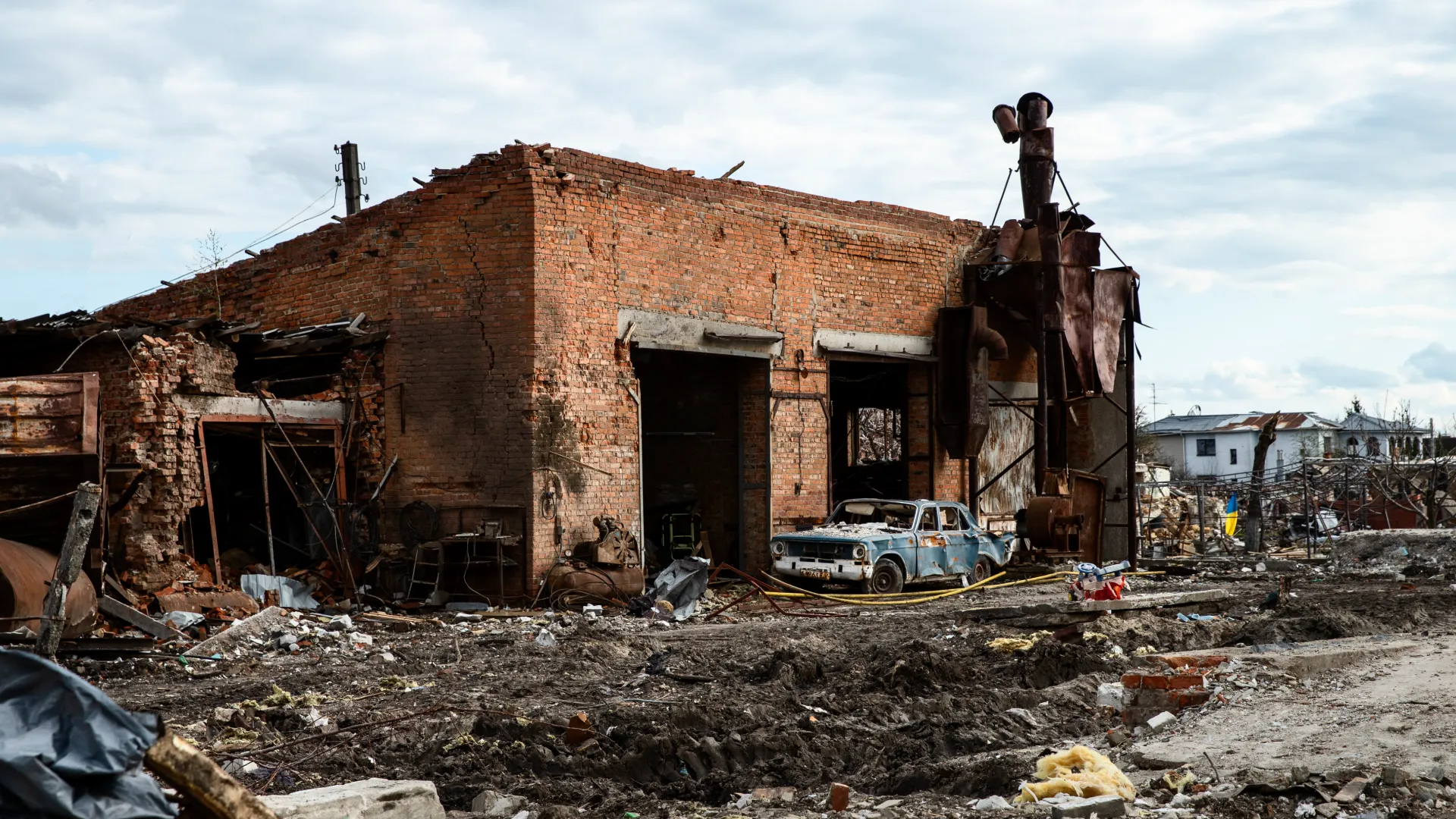

A house fire can leave homeowners overwhelmed, unsure of what to do next, and worried about the safety of their family, belongings, and property. Even after the flames are extinguished, the damage may continue because of smoke, soot, water, moisture, odors, and structural problems.
Knowing what not to do after a house fire is just as important as knowing what to do. Some seemingly harmless decisions can make the damage worse, create additional safety risks, destroy evidence needed for an insurance claim, or increase restoration costs.
Whether the fire was limited to one room or affected much of the property, avoid these 12 common mistakes and focus on protecting your home and belongings while professional restoration begins.
1. Do Not Re-Enter the Property Before It Is Declared Safe
One of the biggest mistakes homeowners make after a fire is returning to the property too soon.
A building can look stable from the outside while still having hidden structural damage. Fire can weaken walls, ceilings, floors, roof systems, and other structural components. Smoke and soot can also create additional hazards.
There may also be exposed electrical wiring, gas leaks, unstable debris, broken glass, or contaminated water inside the property.
Do not assume that a small fire means the property is safe to enter. Wait until the appropriate authorities have cleared the building for entry.
If you need immediate information about the first steps to take, read this guide on what to do immediately after a house fire.
2. Do Not Attempt Major Fire Cleanup Yourself
After a fire, homeowners often want to start cleaning immediately. While removing obvious debris may seem helpful, attempting professional-level fire cleanup without the right equipment and knowledge can make the situation worse.
Smoke and soot can spread to surfaces that were not directly affected by flames. Incorrect cleaning methods can permanently stain walls, ceilings, furniture, flooring, and other materials.
Professional restoration teams use specialized equipment and cleaning methods to identify different types of fire and smoke damage and determine which materials can be restored.
For serious damage, professional fire damage restoration can help address the property systematically rather than relying on trial-and-error cleaning.
3. Do Not Ignore Smoke and Soot Damage
A common misconception is that if something was not burned, it was not damaged.
That is not necessarily true.
Smoke can travel throughout a home through open areas, ventilation systems, wall cavities, and other pathways. Soot can settle on walls, ceilings, furniture, flooring, appliances, and personal belongings.
Different types of smoke residue may require different cleaning approaches. Waiting too long can also make certain residues more difficult to remove.
Professional smoke and soot cleanup can help identify affected areas and determine the appropriate restoration process.
4. Do Not Throw Away Damaged Belongings Without Documentation
After a fire, it can be tempting to throw away everything that appears damaged.
However, some items may be restorable, while others may need to be documented for insurance purposes before disposal.
Before discarding fire- or smoke-damaged belongings, photograph them and create an inventory when it is safe to do so. Keep records of damaged furniture, electronics, clothing, appliances, documents, and other possessions.
If belongings need to be removed from the property for cleaning or restoration, content pack-out services can help organize and protect contents during the restoration process.
The goal is to avoid accidentally disposing of items that could have been restored or that may be needed as part of your insurance documentation.
5. Do Not Turn On Damaged Electrical Equipment
Fire, smoke, and water used during firefighting can all affect electrical systems.
Do not turn on appliances, outlets, lights, HVAC equipment, or other electrical systems if they may have been exposed to fire or water.
Even equipment that looks normal may contain hidden damage.
Electrical systems should be inspected by qualified professionals before being placed back into service. This is particularly important when water from firefighting efforts has reached electrical components.
Safety should always come before convenience.
6. Do Not Ignore Water Damage Caused by Firefighting
Fire damage restoration is not limited to burned materials.
Firefighters may use significant amounts of water to extinguish a fire. That water can soak flooring, drywall, insulation, furniture, ceilings, and other materials.
If moisture is left untreated, it can contribute to additional property damage and create conditions favorable to mold growth.
Standing water should be addressed as quickly as safely possible. Professional water extraction can help remove excess water and support the drying process.
Even if you do not see standing water, hidden moisture may remain behind walls, underneath flooring, or inside other building materials.
7. Do Not Leave the Property Exposed
A fire can damage doors, windows, walls, roofing, and other parts of the exterior. Once the property is exposed, additional problems can occur from rain, wind, animals, unauthorized entry, or other environmental conditions.
Leaving broken windows or open areas unsecured can allow additional damage to occur after the original fire.
When necessary, emergency board-up services can help secure vulnerable areas of the property while restoration and repairs are being planned.
Temporary protection can be an important part of preventing a bad situation from becoming worse.
8. Do Not Try to Cover Up Smoke Odors With Air Fresheners
Smoke odor can be extremely persistent.
Using air fresheners, candles, perfumes, or other products may temporarily mask the smell, but these methods do not remove the smoke residue responsible for the odor.
Smoke particles and odor-causing compounds can remain in porous materials such as carpets, upholstery, drywall, insulation, clothing, and other contents.
If smoke odor remains after basic cleaning, professional odor removal may be necessary to address affected materials and sources of odor rather than simply covering them up.
For homeowners dealing with persistent odors, you can also learn more about how long smoke smell can last after a fire.
9. Do Not Assume Smoke Damage Is Limited to the Burned Room
Another common mistake is cleaning only the room where the fire started.
Smoke can move through the home and affect areas that were never touched by flames. Depending on the fire, smoke may spread through doors, hallways, ceilings, ventilation systems, and other pathways.
This means a bedroom, living room, attic, or other area may have smoke damage even if the fire occurred somewhere else.
A complete inspection should consider the entire property rather than focusing only on visible burn damage.
For example, HVAC systems can circulate airborne contaminants and smoke particles throughout a building. Homeowners should not assume that replacing one visible item will solve the entire problem.
10. Do Not Replace Everything Without First Determining What Can Be Restored
Fire damage does not automatically mean every damaged item needs to be thrown away.
Furniture, clothing, electronics, documents, appliances, and other belongings may sometimes be restored depending on the severity and type of damage.
Replacing everything immediately can dramatically increase the cost of recovery.
A professional assessment can help separate items into categories such as:
- Items that can potentially be restored
- Items requiring specialized cleaning
- Items requiring additional evaluation
- Items that are unsafe or beyond restoration
- Items that should be documented for insurance purposes
Making these decisions systematically can prevent unnecessary replacement costs.
11. Do Not Delay Smoke Damage Cleanup
Time matters after a fire.
Smoke and soot residues can continue affecting surfaces and belongings after the fire has been extinguished. Delaying cleanup may allow residues and odors to become more difficult to address.
Homeowners should avoid waiting several weeks simply because the visible damage does not appear severe.
Even a relatively small fire can produce smoke that spreads farther than expected.
For example, if smoke has affected the home's air filtration system, delaying action may allow contaminants to circulate again. Homeowners can learn more about when to replace an air filter after smoke damage.
Prompt assessment can help identify hidden damage before it becomes a larger restoration problem.
12. Do Not Handle the Insurance Claim Without Proper Documentation
Insurance claims after a house fire can involve extensive documentation.
Homeowners may need to provide photographs, inventories, receipts, estimates, descriptions of damaged property, and other information.
One of the biggest mistakes is beginning demolition, throwing away belongings, or making major repairs before documenting the condition of the property and understanding the insurance process.
Take photographs and videos of visible damage when it is safe to do so. Keep receipts for temporary expenses and maintain records related to restoration.
If you are unsure about the documentation or restoration process, professional insurance claim assistance can help homeowners better understand the information needed during the restoration process.
This does not replace advice from your insurance company or policy documents, but organized documentation can make the process easier to manage.
What Should You Do Instead After a House Fire?
Avoiding mistakes is only half of the recovery process. After the property has been cleared for safe access, homeowners should focus on protecting the home, documenting the damage, and getting professional help when necessary.
A general recovery process may include:
1. Confirm Everyone Is Safe
Make sure family members, pets, and other occupants are safe and accounted for.
2. Wait for Clearance Before Entering
Do not enter until the property has been determined to be safe.
3. Document the Damage
Take photographs and videos of affected rooms, structural damage, belongings, smoke damage, soot, and water damage.
4. Contact Your Insurance Company
Report the loss and ask what documentation and procedures are required under your policy.
5. Secure the Property
If windows, doors, walls, or other exterior areas have been damaged, take appropriate steps to protect the property from additional exposure.
6. Arrange a Professional Inspection
A professional restoration assessment can identify visible and hidden fire, smoke, soot, and water damage.
7. Begin Restoration
Depending on the condition of the property, restoration may involve water extraction, smoke and soot cleaning, odor treatment, contents restoration, structural repairs, and other services.
How Fire Damage Can Affect More Than What You See
A house fire can create several layers of damage.
The first layer is direct fire damage caused by flames and extreme heat. The second may involve smoke and soot that spread beyond the area of the fire. The third can involve water and moisture from firefighting.
There can also be secondary damage if affected materials are left untreated.
For example, moisture trapped behind a wall may not be visible from the outside. Similarly, smoke odor can remain inside porous materials even after visible soot has been cleaned.
This is why a professional inspection is important before deciding that a property is fully restored.
In some cases, restoration may involve structural repair after damaged building components have been evaluated.
What If the Fire Was Limited to the Kitchen?
Even a small kitchen fire can create more damage than homeowners initially expect.
Heat, smoke, soot, grease residue, and firefighting water may affect cabinets, walls, ceilings, appliances, flooring, and nearby rooms.
Whether a kitchen component should be cleaned, repaired, or replaced depends on the type and severity of the damage.
Homeowners dealing with this situation can review this guide about kitchen fire damage and whether items should be cleaned, repaired, or replaced.
Why Professional Fire Restoration Matters
Professional restoration is about more than removing visible debris.
A complete restoration process may involve identifying the source and extent of damage, securing the property, removing water, cleaning smoke and soot, treating odors, evaluating contents, and repairing affected structures.
Trying to manage every stage without professional equipment or experience can increase the risk of missed damage.
If you are unsure where to begin, reviewing the fire restoration process can help explain what a professional restoration company typically handles.
Final Thoughts: Avoid These 12 Costly Mistakes
After a house fire, homeowners understandably want to regain control of their property as quickly as possible. However, rushing into cleanup or repairs can create additional problems.
The 12 mistakes to avoid are:
- Re-entering the property before it is cleared as safe
- Attempting major fire cleanup without professional help
- Ignoring smoke and soot damage
- Throwing away damaged belongings without documentation
- Turning on damaged electrical equipment
- Ignoring water damage from firefighting
- Leaving the property unsecured
- Masking smoke odors instead of treating them
- Assuming damage is limited to the burned room
- Replacing everything before determining what can be restored
- Delaying smoke damage cleanup
- Failing to properly document the insurance claim
The safest approach is to protect people first, document the damage, follow guidance from your insurance company and qualified professionals, and address fire, smoke, soot, water, odor, and structural damage systematically.
If your Atlanta-area property has experienced a fire, getting a professional assessment early can help you understand the extent of the damage and the next steps toward recovery.
For additional information about FireMaster restoration options, visit the fire damage restoration services available to homeowners and property owners.



























Sign in to leave a comment.