
It's no easy task to move across state lines with young children. There is more to it than box packing and logistics planning. Even a short trip can seem like a long one due to the demands, emotions, and routines of young children. It's interesting to observe that parents often focus on the actual move while ignoring the small, crucial components that keep infants happy and comfortable.
From planning routine meals to figuring out the best seating arrangement in the car, skipping these considerations can turn a stressful move into a chaotic one. At the same time, a little preparation goes a long way in keeping everyone sane. Here’s a practical guide for parents navigating long-distance moves with toddlers.
How Can Parents Keep Toddlers Comfortable During a Long Move?
One of the most common mistakes is assuming toddlers will stay calm during long trips. They won’t. Frequent breaks are essential. Think of it like this: short stops every 90–120 minutes allow toddlers to stretch, play, or have a snack. This reduces frustration and irritability.
Having their favourite comfort items, such a blanket or toy, nearby might help ease transitions. But meal planning is equally important. Small, frequent meals help maintain energy and prevent meltdowns. Parents often schedule stops at safe rest areas or parks. This is not just practical; it gives toddlers a change of scenery and a chance to release some energy.
Where Should a Toddler Sit During Interstate Travel?
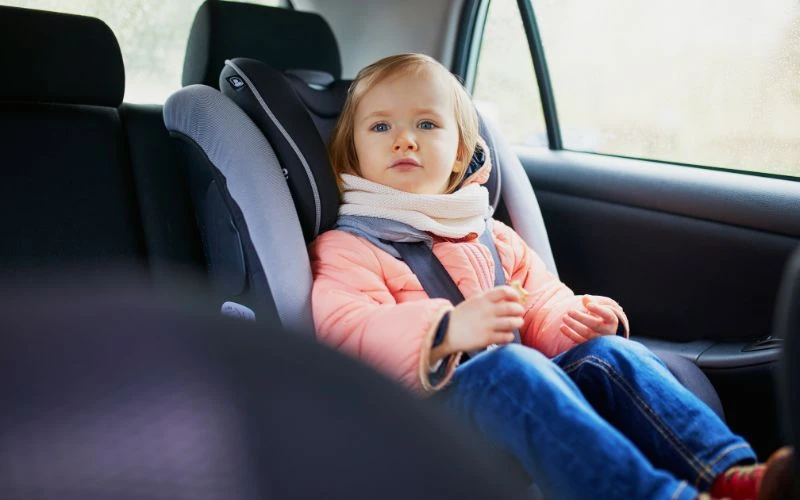
Seating arrangements matter more than most parents realise. For infants and younger toddlers, rear-facing seats in the back are safest. Older toddlers can use forward-facing seats with proper harnesses. Interestingly, the line of sight matters. Toddlers who can occasionally see outside tend to be less restless.
Simultaneously, keeping toys, books, or food close to hand is an easy method to keep kids busy. Parents can concentrate on driving and other movement duties as a result. An easy way to plan seating is to combine safety with comfort. This makes sense because a calm toddler makes the trip smoother for everyone.
Essential Items to Keep Handy
Parents often overlook the little essentials. Emergency medicines, spare clothes, diapers, and strollers should be immediately accessible. In the meanwhile, comfort goods like lightweight blankets, sun hats, and water bottles can stop minor problems from becoming major meltdowns.
Families using removalists in the Vaucluse area or other local services often pair professional help with careful planning. This combination ensures that toddlers’ needs are fully covered while belongings are moved efficiently.
Tips for a Smooth Interstate Move With Toddlers
- Schedule regular breaks: Stop every 90–120 minutes to stretch, play, and handle diaper changes.
- Keep mealtimes consistent: frequent, small snacks are preferable to huge meals.
- Plan seating and safety: Use age-appropriate car seats and take into account what toddlers can see when making seating and safety plans.
- Keep necessities close at hand, like as comfort items, strollers, diapers, and medications.
- Scout viewpoints and rest areas: Scenic stops and playgrounds make breaks fun and engaging.
FAQ: Moving Interstate With Toddlers
How often should toddlers take breaks during a long trip?
Short breaks every 90–120 minutes allow toddlers to stretch, play, and snack. Frequent stops reduce fussiness.
Should toddlers sit in the front or back seat?
Always in the back. Use rear-facing or properly secured forward-facing seats for safety and comfort.
What items should be kept within reach?
Keep medicines, diapers, snacks, water, strollers, and comfort items close. Toys or blankets help toddlers stay calm.
Conclusion
Parents who plan in advance often find long journeys surprisingly manageable. At the same time, toddlers feel more secure when their routine is respected.
It makes a huge difference to hire skilled movers. Teams with a lot of experience do the hard work, so parents can focus on their kids. Families moving long distances often rely on reliable interstate removalists in Rose Bay to pack, move, and unpack their things quickly and easily.
Parents can efficiently plan breaks, organise meals, and uphold routines when they have professional movers. As a result, the entire moving process goes much more smoothly and is less stressful.































Sign in to leave a comment.