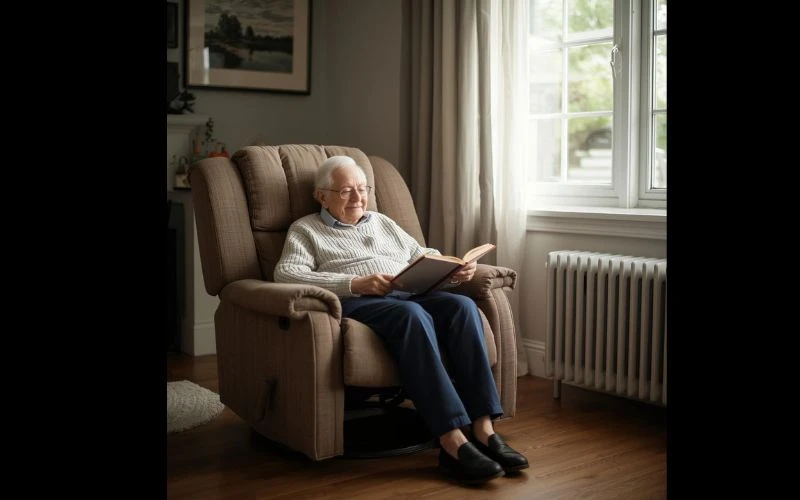

Comfort in later life is no longer optional. It directly affects mobility, safety, and independence. As Australians age, seating that once felt adequate often becomes restrictive. Joints stiffen. Balance changes. Standing up becomes harder.
This is where recliners matter.
A well-designed recliner supports the body in neutral positions, reduces strain on joints, and assists with everyday movement. Unlike standard chairs, recliners actively adapt to the needs of older adults. That difference has a measurable impact on comfort, confidence, and quality of life.
Why Are Recliners Important for the Elderly?
Recliners are important for the elderly because they support mobility, reduce physical strain, and improve safety during daily use.
They help older adults sit, recline, and stand with less effort. This reduces pressure on the spine, hips, and knees. Over time, this can ease chronic discomfort and fatigue.
Another key benefit is circulation. Recliners that elevate the legs help reduce swelling and encourage healthy blood flow. This is particularly helpful for seniors who spend long periods seated.
Safety is equally critical. Recliners with stable frames and smooth mechanisms lower the risk of sudden movement or falls. For elderly users, this combination of comfort and stability supports greater independence at home.
What Key Features Should a Recliner for Seniors Have?
The best recliners for seniors share several essential features.
Ease of use is critical. Electric recliners with simple controls allow smooth position changes without physical strain. Manual recliners can be difficult for seniors with arthritis or reduced grip strength.
Ergonomic support is non-negotiable. Proper lumbar support helps maintain spinal alignment. Padded armrests assist with balance. Supportive headrests reduce neck strain during extended sitting.
Size also matters. Single-seater recliners suit individual comfort needs, while two-seater recliner sofas work well in shared living spaces. Compact designs are particularly suitable for smaller Australian homes.
Stability completes the picture. A quality recliner should feel solid, quiet, and controlled in every position.
Which Recliner Types Are Best for Elderly Users?
Several recliner types suit elderly users, depending on mobility needs and living space.
Single-seater recliners provide personalised support and independence. Two-seater recliners allow shared seating without sacrificing comfort.
Electric and motorised recliners are ideal for seniors who benefit from lift-assist or minimal-effort movement. Recliner sofas offer a balance of comfort and visual appeal for family areas.
Material choice matters as well. Many Australian homes favour leather chairs and recliners because they are durable, easy to clean, and maintain consistent support over time.
What Safety Features Should an Elderly Recliner Include?
Safety features significantly affect usability and confidence.
Lift-assist mechanisms help seniors stand safely by gently tilting the chair forward. Controls should be large, clearly labelled, and easy to reach.
Upholstery should be breathable and non-slip to reduce sliding. Wide armrests improve balance when sitting or standing. A sturdy frame and smooth reclining motion further reduce fall risk.
How Can a Recliner Fit Into a Modern Australian Home?
Modern recliners are designed to suit contemporary interiors. Clean lines, neutral colours, and compact profiles allow easy integration into living rooms, media spaces, or reading corners.
A well-placed leather chair adds both function and refinement. Adequate clearance around the recliner ensures full movement and long-term durability.
Is a Recliner a Good Long-Term Investment for Seniors?
Yes. A quality recliner delivers long-term value by supporting comfort, mobility, and safety.
Durable construction reduces replacement costs. Ergonomic design supports posture and reduces physical strain. Over time, these benefits contribute to better daily comfort and greater independence.
Frequently Asked Questions
What is the best recliner for elderly people?
Electric or motorised recliners with lift-assist and ergonomic support are generally the best choice.
Are recliners safe for seniors living alone?
Yes, provided the recliner has stable construction, smooth movement, and easy-to-use controls.
Is leather suitable for elderly seating?
Leather is durable, supportive, and easy to maintain, making it suitable for long-term use.
How much space should be left around a recliner?
Enough space should be left behind and around the recliner to allow full extension without obstruction.
Final Thoughts
A recliner is more than seating for the elderly. It is a daily support system. When ease of use, ergonomic design, and stability work together, seniors can relax, move, and rest with confidence. The right recliner enhances comfort without limiting independence.

























Sign in to leave a comment.