What Problems Can Old Attic Insulation Cause Over Time?


Old Attic Insulation leads to significant home performance issues, including skyrocketing utility bills, inconsistent indoor temperatures, and compromised air quality. Over decades, materials degrade, settle, or fall victim to pests, stripping away the thermal protection your home needs to stay comfortable. This guide covers the specific risks of aging materials and why modern updates are necessary for long-term home health.
Homeowners often ignore what they cannot see, yet the space above your ceiling dictates much of your daily comfort. When materials reach the end of their lifespan, they no longer resist heat flow effectively. Professionals in the industry have found that most homes built over twenty years ago lack the necessary thermal barriers to meet current energy standards.
What Are The Most Common Risks Of Aging Insulation?
As materials age, they lose their physical structure and effectiveness. This decline creates a chain reaction of problems that affect everything from your roof's structural integrity to the air you breathe in your living room. Understanding these risks helps you decide when it's time to seek out professional attic insulation services.
- Decreased Thermal Resistance: Over time, loose-fill materials like fiberglass or cellulose pack down due to gravity and moisture. This settling reduces the R-value, which is the measure of how well the material resists heat.
- High Energy Costs: When heat escapes in the winter or enters in the summer, your HVAC system works twice as hard. You will notice your monthly bills creeping up even if you haven't changed your thermostat settings.
- Poor Air Quality: Old materials often trap dust, pollen, and mold spores. Because many HVAC systems pull air from the attic through leaky ducts, these contaminants end up circulating throughout your home.
The Physical Degradation Of Insulation Materials
Different materials fail in different ways. For instance, older fiberglass batts can become brittle and thin, while cellulose may turn to a fine dust that settles into corners, leaving the center of your attic floor exposed. Physical breakdown is inevitable for most traditional products.
Loss Of R Value In Older Homes
The R-value of your attic decreases every year as the material compresses. A home that started with an R-30 rating might only have an R-15 rating after twenty years of settling. This means your home is essentially half as protected as it was when it was first built.
Material Thinning And Air Gaps
As the material thins out, air gaps begin to form. These gaps allow for thermal bridging, where heat transfers directly through the ceiling joists and into the living space. This makes it impossible to maintain a steady temperature even with a high-end air conditioning unit.
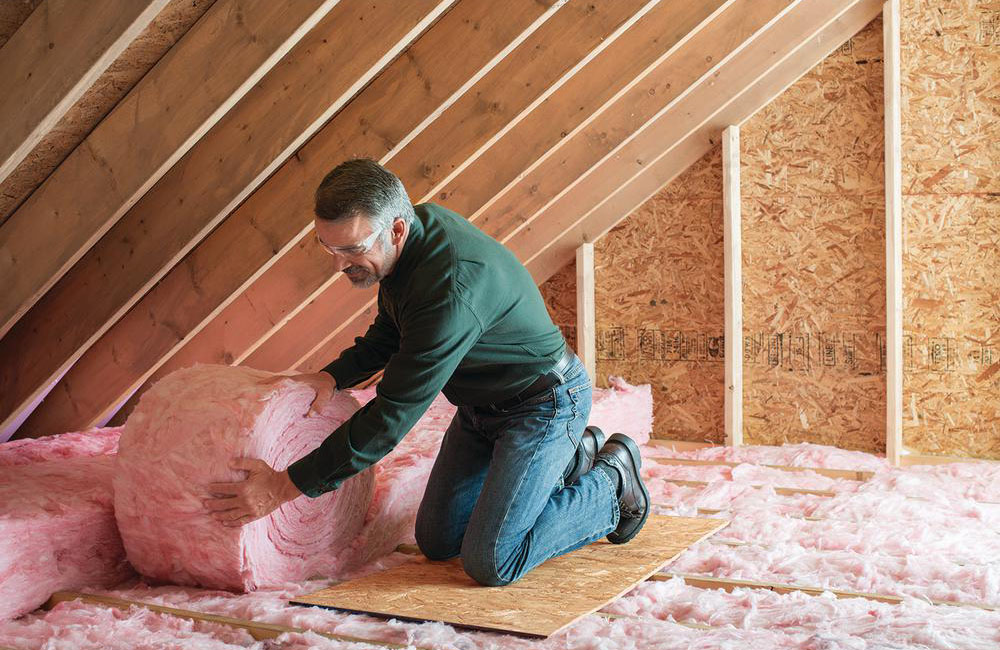
Bonus Tip: Check your floor joists. If you can see the wooden beams in your attic floor, your material has likely settled too much and needs a top-off or a full replacement to meet modern standards.
Moisture Accumulation And Structural Damage
One of the most dangerous issues with Old Attic Insulation is its tendency to hold onto moisture. Small roof leaks or even high humidity can cause the material to become damp. Once wet, most insulation loses its ability to insulate and instead becomes a breeding ground for problems.
Wet insulation is heavy. This added weight puts unnecessary stress on your ceiling drywall, which can lead to sagging or cracking. Furthermore, moisture trapped against wooden rafters can lead to wood rot, which is a much more expensive fix than simply replacing the thermal barrier.
Risks Of Mold Growth
Damp insulation is a primary cause of mold in the attic. Once mold spores take hold in fiberglass or cellulose, they can be incredibly difficult to eliminate without a total removal of the material. This creates a health risk for everyone in the building.
Damage To Roof Decking
When moisture is trapped against the underside of your roof, it can cause the plywood or OSB decking to delaminate. Over time, this softens the roof structure, potentially leading to a total roof failure if the insulation is not addressed.
Pest Infestation And Hygiene Concerns
Attics are attractive to rodents, birds, and insects. Older, softer insulation provides the perfect nesting material for these intruders. Over time, pests leave behind droppings and urine, which soak into the material and create foul odors that are difficult to remove.
- Rodent Pathways: Mice and rats create tunnels through fiberglass, creating air gaps that ruin the thermal seal.
- Health Hazards: Waste from pests can carry diseases. When this waste breaks down, it becomes airborne and enters your living space through light fixtures and attic hatches.
- Chewed Wiring: Pests attracted to the nesting grounds of an old attic often chew through electrical wires, creating a fire hazard.
Performance Comparison Of Insulation Conditions
| Insulation Condition | R-Value Retention | Air Sealing Quality | Pest Resistance |
|---|---|---|---|
| New Spray Foam | 100% | Excellent | High |
| New Blown-in Cellulose | 95% | Good | Moderate |
| 20-Year-Old Fiberglass | 40-60% | Poor | Low |
| Compressed/Damp Material | <25% | None | Very Low |
Ice Damming And Roof Longevity
In colder climates, poor attic performance leads to ice dams. Heat escaping through the Old Attic Insulation warms the roof deck, melting the snow above. As that water runs down to the colder eaves, it refreezes, creating a dam that forces water back under your shingles.
This cycle destroys shingles and causes internal leaks. By keeping the attic at a consistent temperature with modern attic insulation solutions, you ensure that the roof stays cold and the snow melts naturally, protecting your home's exterior.
Environmental Impact Of Inefficient Homes
An under-insulated home requires more energy to heat and cool. Beyond local comfort, this inefficiency contributes to higher global energy demands and increases your home's total carbon footprint significantly. Updating your attic is one of the most effective ways to reduce your home's total energy consumption, making it a responsible choice for both your wallet and the environment.
Bonus Tip: Before adding new material, ensure all air leaks around pipes and
light fixtures are sealed with foam or caulk. Insulation stops heat transfer, but it does not always stop moving air.
Factors To Consider Before Upgrading Your Attic
You should not simply throw new material over the old without an evaluation. There are several variables that determine the best path for your specific property.
- Current Material Type: Some older homes may still have vermiculite, which could contain asbestos. This requires professional testing before any disturbance.
- Ventilation Needs: Adding more material can sometimes block soffit vents. Proper airflow is needed to prevent moisture buildup in the summer.
- Budget vs Performance: While basic fiberglass is cheaper, high-performance options like spray foam offer better long-term savings on energy bills.
- Local Climate: Homes in humid coastal areas have different needs than those in dry, mountain regions. The choice of material should reflect your local weather patterns.
How To Identify If Your Attic Needs Help
You do not always need to crawl into the attic to know there is a problem. If you experience hot spots in certain rooms or if you notice that snow melts off your roof much faster than your neighbors' roofs, your Old Attic Insulation is likely failing.
Professional Assessment Benefits
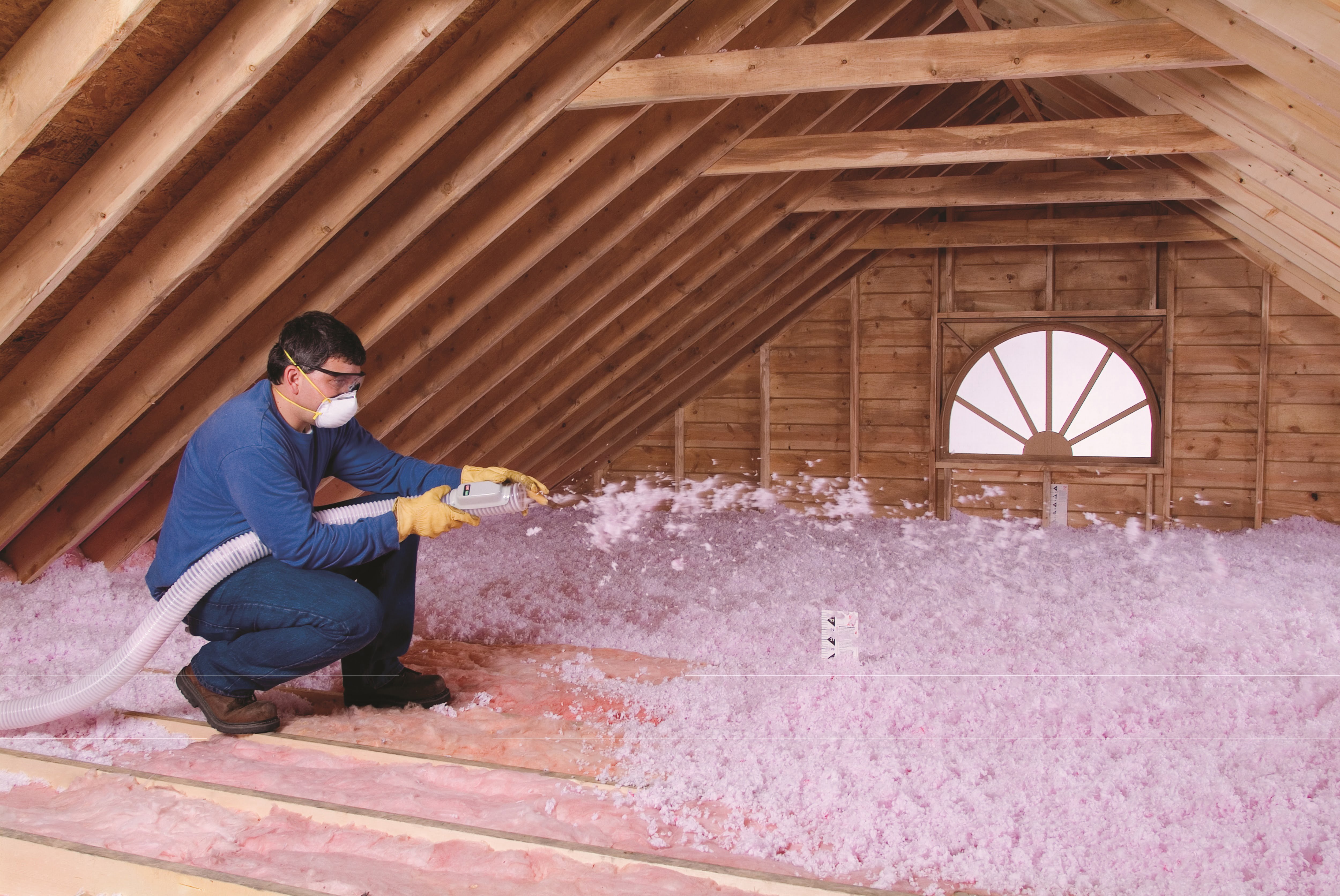
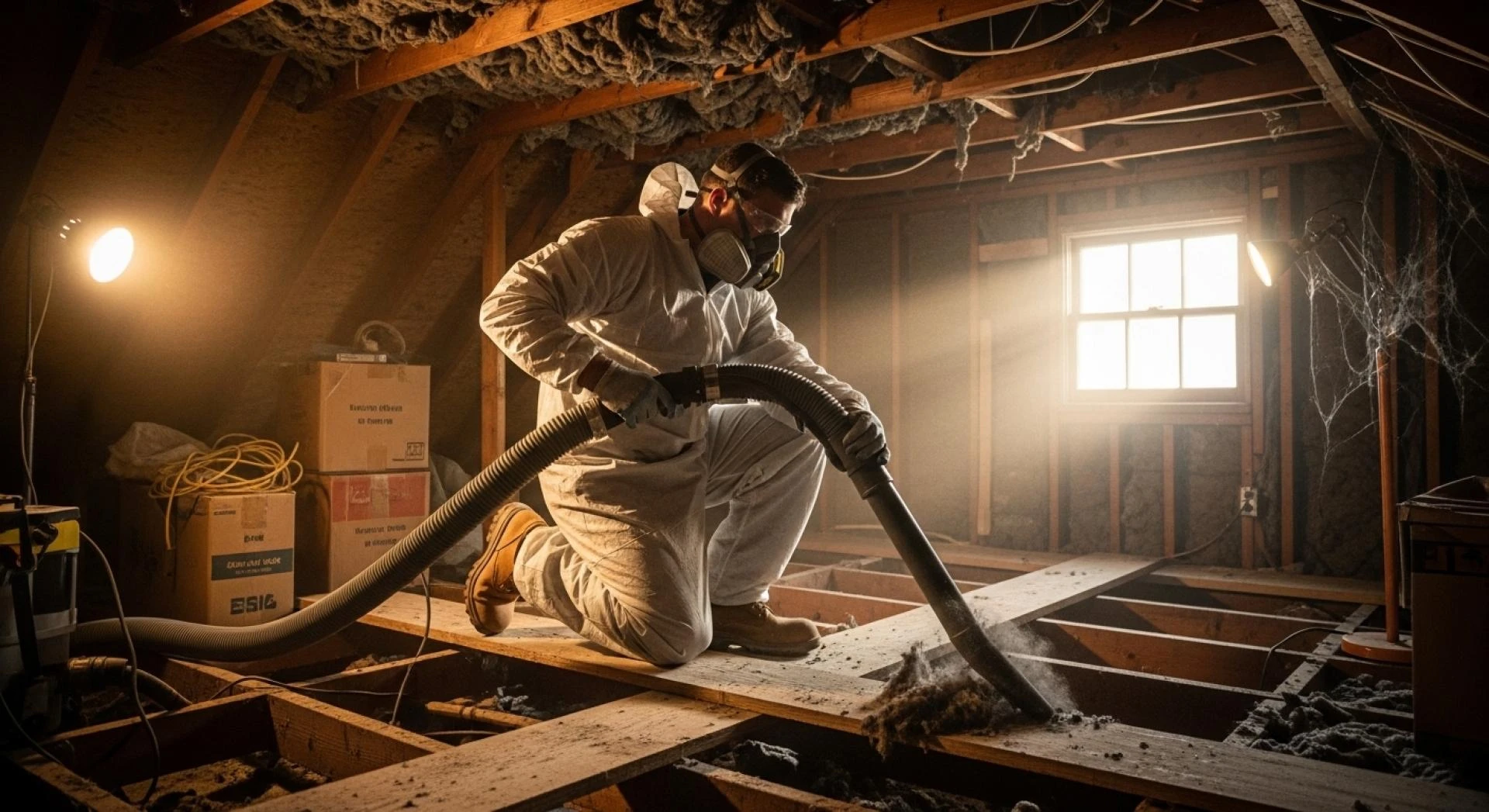
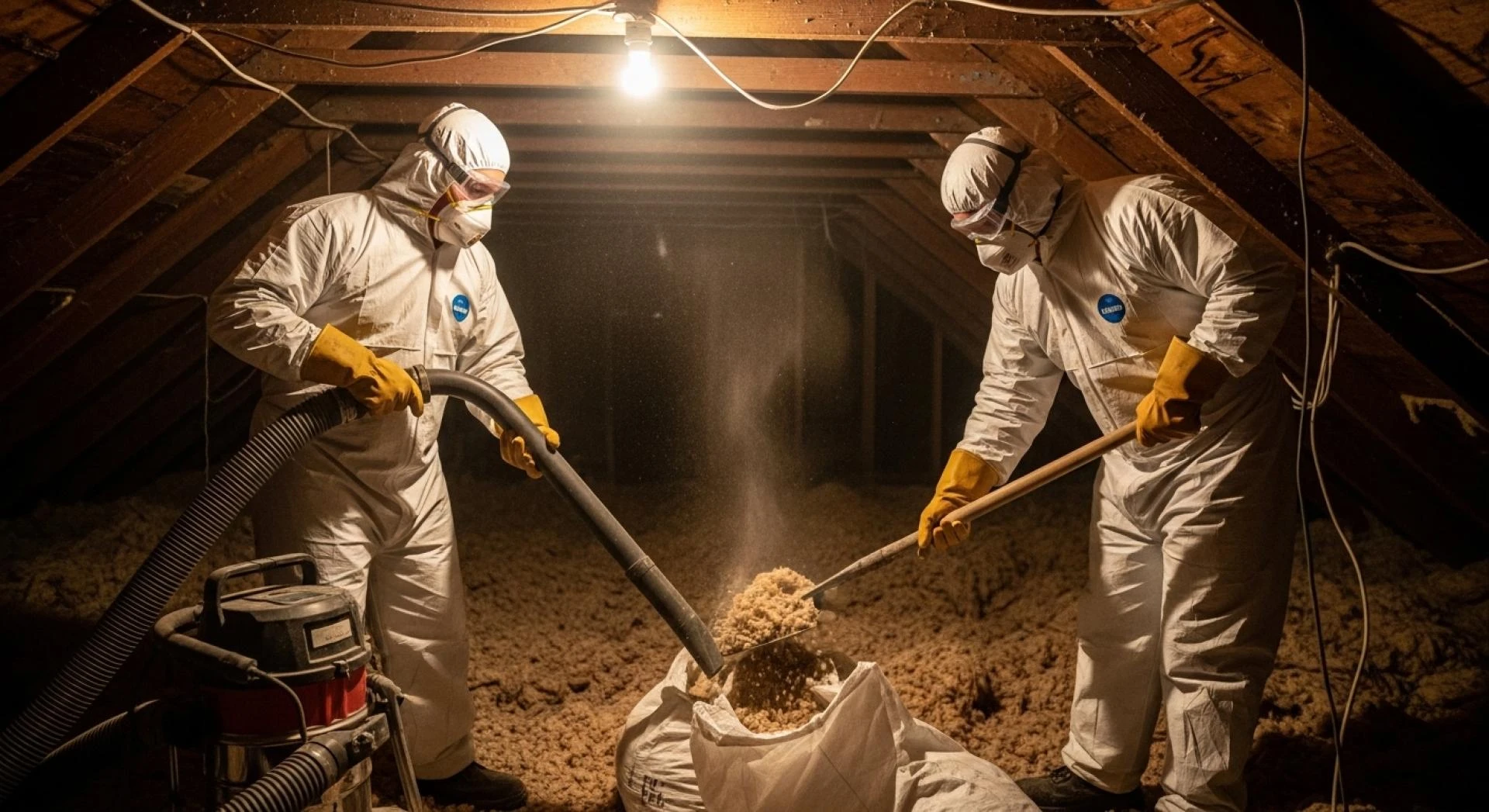
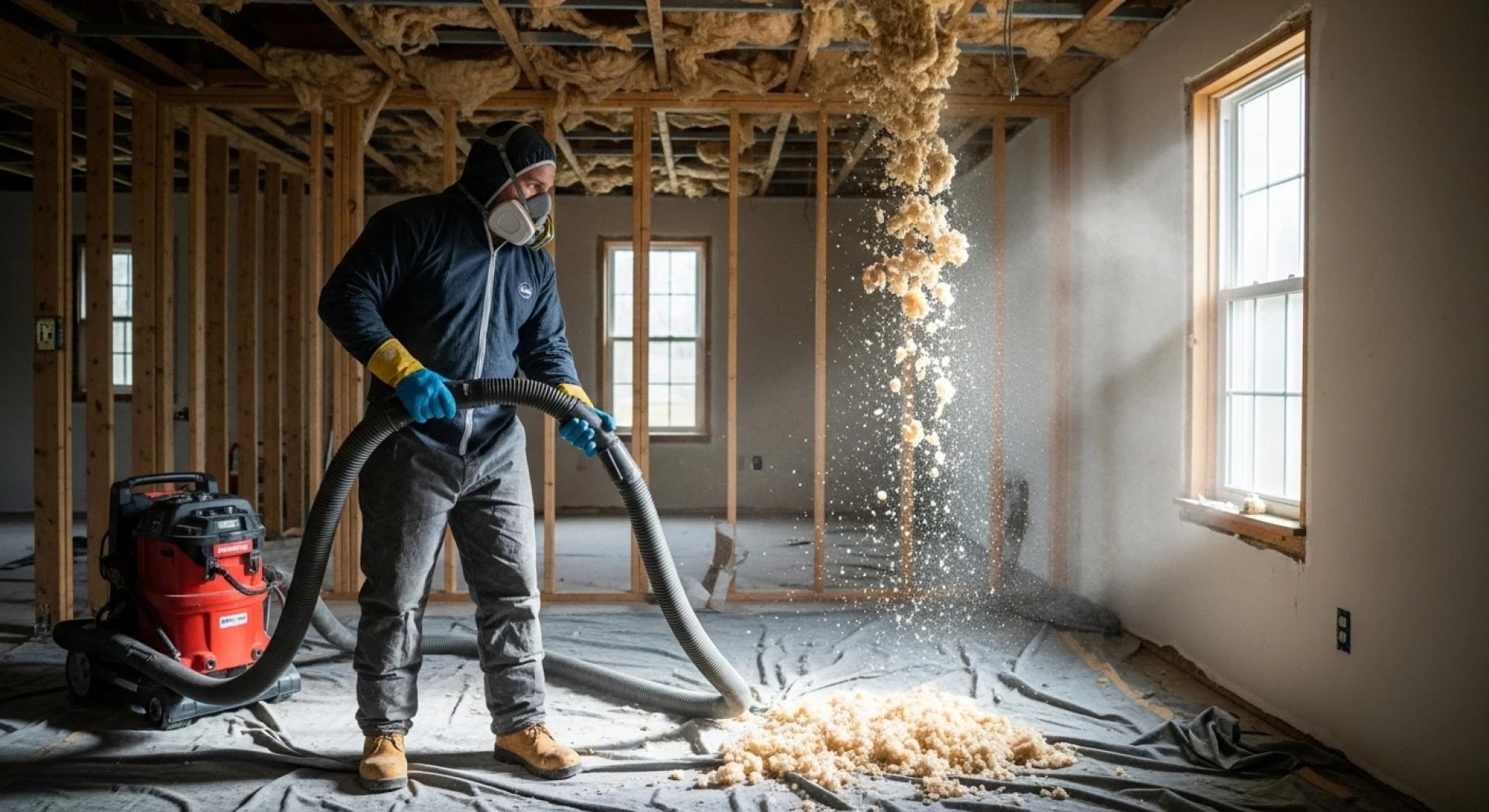
Hiring experts to look at your attic ensures that nothing is missed. They can identify hidden mold, find bypasses where air is escaping, and recommend the exact depth of material needed to meet current building codes. Professional attic insulation services provide the equipment necessary to remove old, contaminated material safely without spreading dust through your home.
Why Modern Materials Are Better
Technology in the building industry has improved significantly. Modern cellulose is treated with borates to resist fire and pests. High-quality spray foam expands to fill every tiny crack, providing both a thermal barrier and an air seal in one step. These attic insulation solutions are designed to last longer and perform better than anything available several decades ago.
Securing Your Home Comfort Through Expert Evaluation And A Free Quote
If you suspect your attic is no longer doing its job, reaching out to a specialist is the best way to regain control over your home's climate. Companies like Stellrr can help you determine the current state of your attic and suggest improvements that fit your goals. You can contact them at (512) 710-2839 or via email at [email protected] to discuss your needs. Their team provides a clear path to a more energy-efficient home, starting with a look at their location and service area at https://maps.app.goo.gl/Kn97GfC6mWUq8gkV8. Asking for a free quote is a simple way to start your journey toward a more comfortable and cost-effective living space.
Key Questions About Attic Performance
How long does typical attic insulation last?
Most fiberglass or cellulose materials are rated for about 20 to 30 years. However, if the material gets wet, settles, or is disturbed by pests, its useful life is cut much shorter and its efficiency drops.
Can you just put new insulation over the old stuff?
In some cases, yes, but it is not always recommended. If the old material is damp, moldy, or filled with pest waste, it must be removed entirely to protect your home's air quality before new materials are added.
Does upgrading insulation really lower electric bills?
Yes, homeowners often see a reduction of 15% to 20% in their heating and cooling costs. In older homes with very little insulation, the savings can be even more dramatic after a professional upgrade.
What is the best R value for an attic? ‘
The recommended R-value depends on your climate zone. Generally, most modern standards suggest an R-value between R-38 and R-60 for optimal energy efficiency in residential attics to keep the house comfortable year-round.
How do I know if my insulation has settled too much?
If the material is level with or below the top of your floor joists, you likely have an R-value that is too low. Ideally, the insulation should be deep enough to completely cover the wooden beams by several inches.




Sign in to leave a comment.