

When families first hear the phrase "rising above," they might picture something abstract — a motivational poster, a vague sense of optimism. But in the context of applied behavior analysis for children with autism, rising above describes something concrete and measurable: a child learning to do something they could not do before, and then doing it consistently, confidently, and independently.
ABA therapy is built on the science of how behavior works. It examines what happens before and after a behavior occurs, and uses that information to teach new skills while reducing barriers that get in the way of learning. For children with autism, those barriers can range from communication gaps to sensory sensitivities to challenges with daily routines. The goal of ABA is not to change who a child is — it is to open more doors for them.
Rising above, then, is not about overcoming autism. It is about a child reaching their own personal ceiling — and then discovering there was never a ceiling to begin with. Every skill gained, every word spoken, every peer interaction navigated with growing confidence represents a real and meaningful step forward.
The Philosophy Behind the Name
ABA therapy has evolved considerably over the decades. Early approaches were rigid, drill-heavy, and sometimes delivered in ways that were not child-friendly. Modern ABA, by contrast, is naturalistic, relationship-centered, and designed to meet children where they are. The best programs today emphasize motivation, child-led learning, and the building of genuine functional skills.
Families searching for quality ABA services will find that providers who embrace this philosophy tend to produce stronger, more lasting outcomes. When a child genuinely enjoys therapy — when the session feels more like engaged play than a structured lesson — they learn faster and retain skills more reliably.
This philosophy is at the heart of what Rising Above ABA represents in practice — individualized, compassionate care that helps each child develop the communication, social, and daily living skills that lead to greater independence over time.
The language providers use matters. Saying a child will "rise above" their diagnosis frames autism as something to be defeated. But saying a child will rise above their current limitations — the specific challenges that are keeping them from connecting, communicating, or navigating daily life — that framing respects the child while still honoring the purpose of therapy. The best ABA programs hold both truths at once: children with autism are whole and capable right now, and they also deserve every tool that helps them thrive.
What Families Can Expect from a Quality ABA Program
Entering ABA therapy for the first time can feel overwhelming. There are assessments to complete, goals to set, schedules to navigate, and a new vocabulary to absorb. But underneath the clinical language is a simple through-line: every hour of quality ABA therapy is an investment in a child's future.
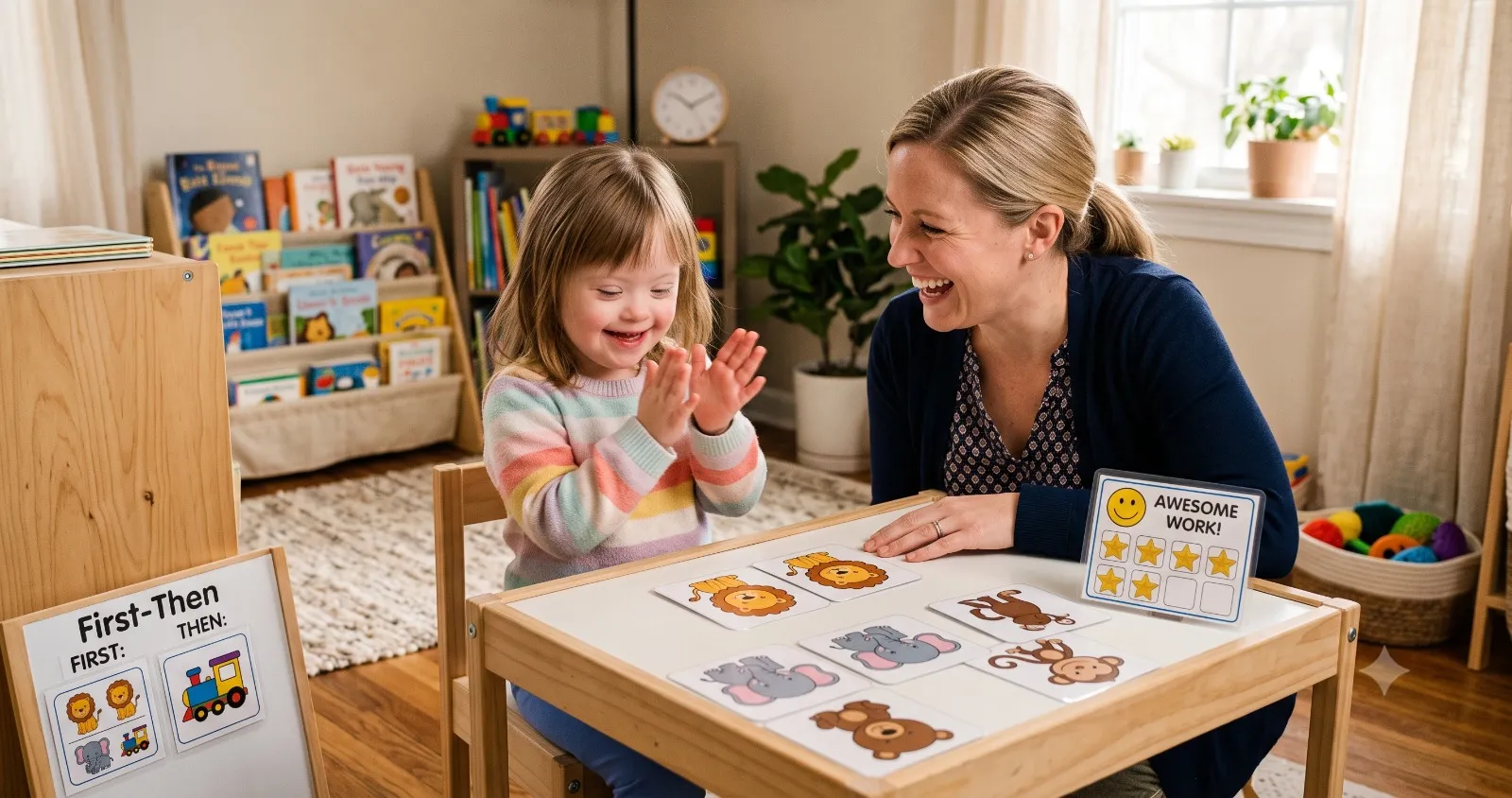
In practical terms, families can expect their child's program to begin with a comprehensive skills assessment. From there, a board-certified behavior analyst will develop a treatment plan targeting specific skills across areas like communication, social interaction, adaptive behavior, and play. Sessions are then delivered by trained therapists who work directly with the child, guided by the BCBA.
Progress is tracked systematically — one of ABA's distinguishing features. Data is collected during every session, reviewed regularly, and used to adjust goals and strategies as the child grows. Families are not passive observers in this process. Parent training and collaboration are built into strong programs, because what happens outside of therapy hours shapes outcomes just as much as what happens during sessions.






























Sign in to leave a comment.