
Accreditation and Compliance with Industry Standards
Choosing a reliable porosity and permeability testing service starts with verifying the laboratory’s accreditation. Recognized certifications such as ISO/IEC 17025 indicate that the facility meets rigorous international standards for competence and accuracy. Compliance with ASTM, ISO, and other industry-specific testing protocols ensures that the results obtained are valid for regulatory and quality control purposes. Companies must confirm that the testing service follows established guidelines to maintain consistency and reliability in material evaluations. Proper accreditation also signifies that the laboratory undergoes regular audits and performance reviews to uphold precision in testing procedures.
Range of Testing Capabilities and Techniques Offered
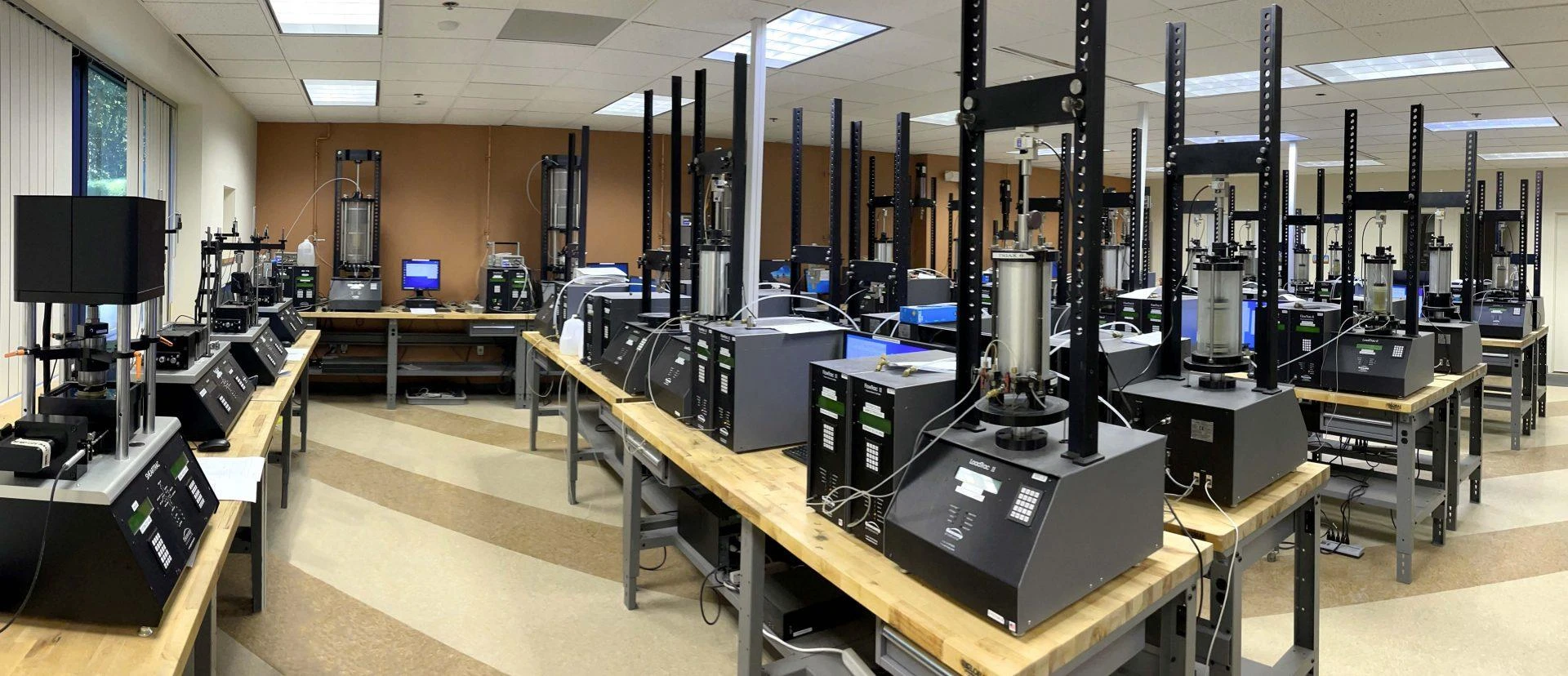
The effectiveness of porosity and permeability testing depends on the variety of methodologies available. High-quality testing services provide multiple options, including gas adsorption, mercury intrusion porosimetry, gravimetric techniques, and capillary flow porometry. Each method has specific advantages depending on material composition and application requirements. A comprehensive service should offer solutions tailored to different industries, whether for filtration, construction materials, or biomedical applications. The ability to perform advanced techniques allows for more detailed material analysis and greater confidence in the accuracy of results.
Expertise and Experience of Technical Staff
The knowledge and expertise of laboratory personnel play a crucial role in ensuring reliable porosity and permeability testing services. Experienced technicians understand the complexities of material science and are skilled in handling various testing methodologies. They can also troubleshoot unexpected discrepancies in test results and suggest appropriate modifications based on sample characteristics. A testing facility with highly trained staff is more likely to provide precise data interpretation and support in selecting the best testing method for specific materials. Additionally, laboratories with years of experience tend to have well-documented procedures, ensuring a high level of consistency in their testing processes.
Turnaround Time and Efficiency of Service
Timely results are essential for businesses relying on porosity and permeability testing services to make informed production or quality control decisions. Some laboratories offer expedited testing services to meet urgent project deadlines, but it is crucial to verify whether faster turnaround times affect accuracy. A well-equipped facility with automated processes and streamlined workflows can deliver results efficiently without compromising precision. Companies should evaluate the typical processing times for different testing methods and confirm that the laboratory can meet their specific time constraints. Reliable services should also provide clear communication regarding expected delivery times and any potential delays.
Data Reporting Formats and Interpretation Support
Accurate testing results are only valuable if they are presented in a clear and understandable format. High-quality testing services provide comprehensive data reports with detailed analysis, including graphical representations and statistical breakdowns. Some laboratories also offer interpretation support, helping clients understand the implications of the results for their specific applications. Well-structured reports should include key findings, methodology descriptions, and recommendations for optimizing material performance. Advanced testing services may also provide digital access to results, enabling seamless integration with clients’ quality control systems and research databases. Businesses should select a service that offers user-friendly reports that facilitate decision-making based on precise test outcomes.
Client Testimonials and Track Record of Accuracy
Reputation is a key factor when selecting a porosity and permeability testing service. Companies should research customer testimonials and case studies to assess the reliability of a laboratory’s testing procedures. Positive feedback from industry professionals and long-term collaborations with reputable organizations indicate that the service provider consistently delivers accurate and reliable results. Reviewing past reports and comparisons with reference materials can also provide insights into a laboratory’s precision and consistency. A strong track record of accurate testing results builds trust and ensures confidence in the validity of the data
provided.
Conclusion
Selecting the right porosity and permeability testing services is crucial for obtaining precise and meaningful results in material analysis. From accreditation and compliance with industry standards to the expertise of technical staff and data reporting quality, multiple factors must be considered to ensure reliability. Companies should assess the range of available testing techniques, turnaround times, and client feedback before committing to a service provider. By choosing a well-accredited, experienced, and efficient laboratory, businesses can gain valuable insights into material properties and make informed decisions. Porosity and permeability testing services play a vital role in quality control, product development, and industrial applications, making it essential to select a provider that delivers accurate and dependable results.





























Sign in to leave a comment.