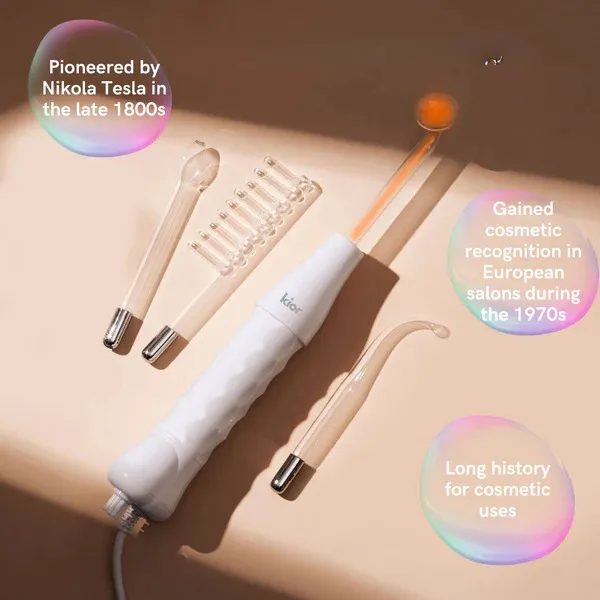

Modern self-care routines are increasingly driven by advanced physical tools that bring luxury, spa-grade experiences directly into our living spaces. Incorporating specialized beauty technology allows individuals to elevate their everyday grooming habits, supporting personal confidence and skin vitality through innovative methods. High-frequency therapy stands out as a premier choice within this space, relying on beautifully crafted glass electrodes filled with noble gases to deliver gentle electrical currents to the skin and scalp surface.
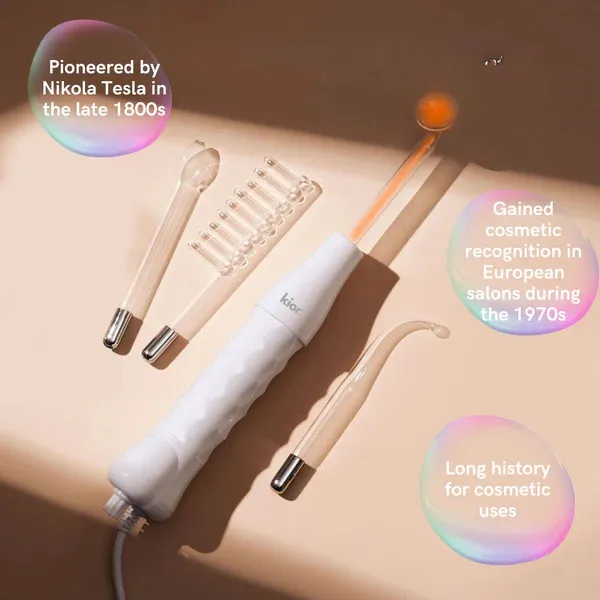
Because these specialized components are made entirely of glass, they require meticulous handling, thoughtful storage, and a deep understanding of physical safety protocols. Discovering a sudden hairline fracture or a complete break in your favorite glass probe can be incredibly frustrating. Knowing exactly how to respond, evaluate the tool's structural integrity, and transition to a safe replacement setup ensures that your personal wellness rituals remain completely uninterrupted and fully secure.
The Anatomy and Fragility of High-Frequency Glass Electrodes
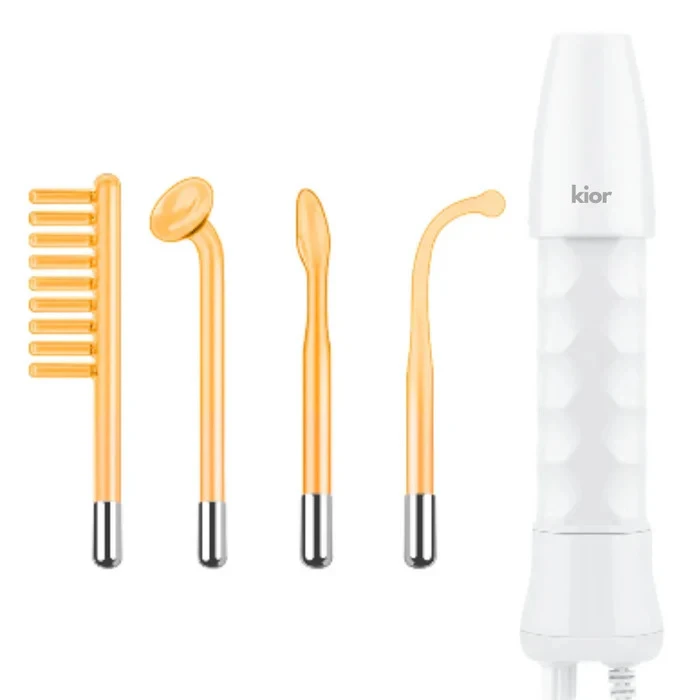
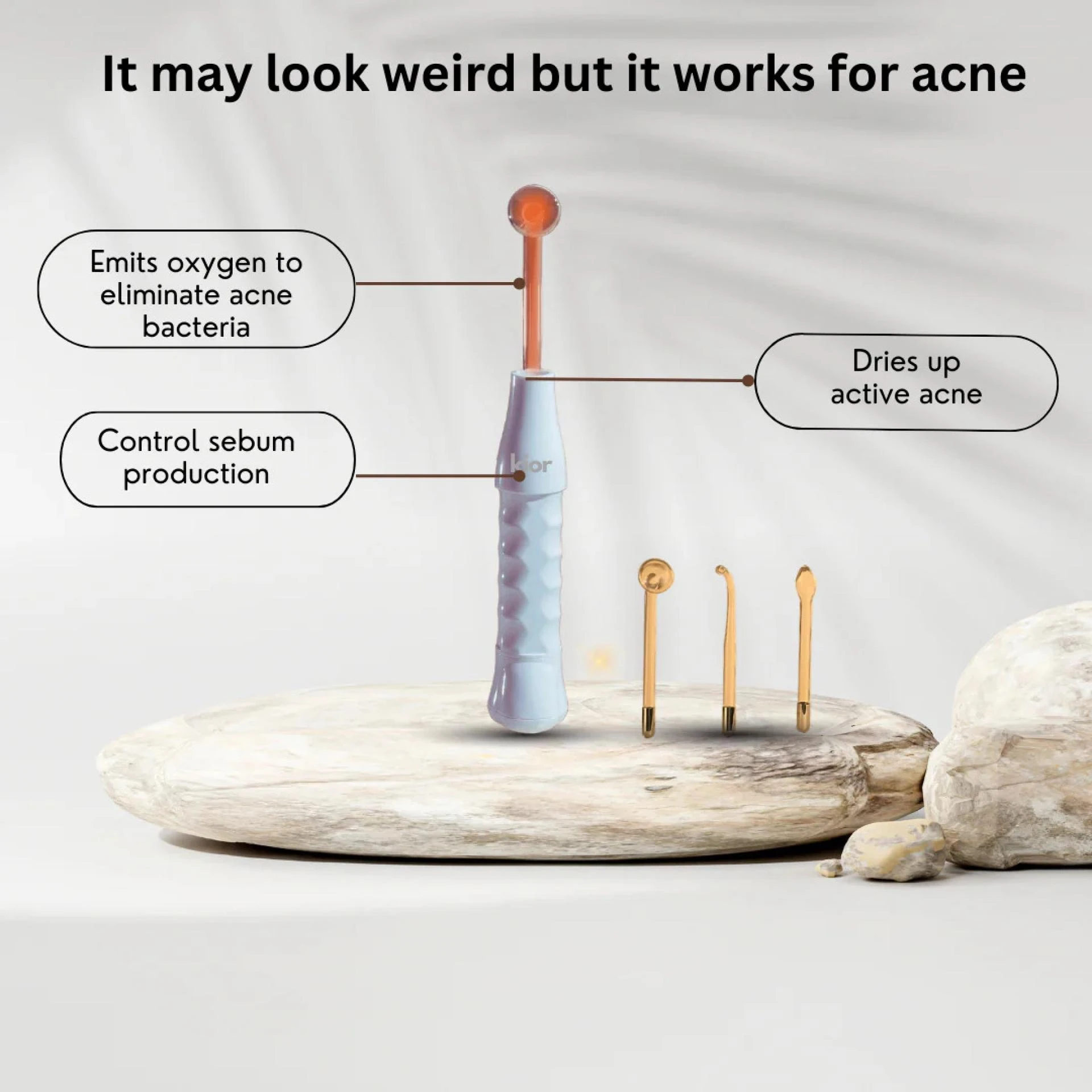
To handle a compromised attachment safely, you must first understand how these unique glass electrodes are constructed. Each specialized probe is crafted from thin, hardened glass engineered to withstand localized thermal shifts and continuous high-frequency electrical currents. During manufacturing, the interior chamber of the glass tube is completely evacuated of regular atmospheric air and injected with a specialized noble gas, such as neon or argon. The metal base at the bottom of the attachment acts as a terminal conductor, transferring voltage from the main wand body directly into the gas column to induce a glowing, vibrant ionization state.
Despite their resilient engineering, these components are inherently delicate and structurally vulnerable to sudden impacts or improper storage habits. Dropping an electrode onto a hard bathroom counter, tapping it against a sink faucet, or applying too much twisting force during insertion can quickly fracture the glass wall. Because the interior operates under a vacuum-sealed gas environment, even a microscopic structural compromise completely alters the internal physics of the attachment. Understanding the physical anatomy of your glass tools underscores the critical importance of regular surface monitoring.
- The Tempered Glass Outer Shell: Provides a clear barrier that keeps the ionized noble gases safely isolated from the surrounding room environment.
- The Noble Gas Core: Typically utilizes neon for a warm orange glow or argon for a cool violet hue, altering the color profile of the emission.
- The Precision Metal Contact Base: Slips deeply into the main device chamber, bridging the electrical flow from the internal transformer to the electrode.
- The Internal Vacuum Seal: Maintains a low-pressure ecosystem that allows the electrical microcurrent to pass through the gas efficiently.
Immediate Action Steps: What to Do the Moment a Crack Occurs
Discovering a structural flaw during your personal grooming routine requires immediate, disciplined action to preserve your tool and protect your environment. The exact second you spot a hairline fracture or hear a faint, unusual clicking sound, you must turn off the main control knob and unplug the device directly from the wall outlet. Never attempt to remove a cracked glass attachment while the electrical current is still live, as the physical tension of pulling can cause the structural flaw to give way completely.
When handling modern high frequency wands, maintaining a clean, highly controlled physical environment prevents small incidents from turning into massive headaches. Carefully pull the base of the electrode straight out of the handle without twisting or bending the piece. Place the compromised glass onto a thick, white microfiber towel to catch any tiny, microscopic shards that might flake off during inspection. If the piece has shattered entirely inside the handle, safely tip the device upside down over a trash container, utilizing heavy-duty utility gloves and a pair of long tweezers to extract any stubborn metal or glass remnants left in the socket.
- Instant Power Cut: Immediately terminate the power source by flipping the dial off and pulling the plug to stop the current.
- Secured Extraction Technique: Pull the glass base directly upward in a perfectly straight line to minimize stress on the handle socket.
- Micro-Residue Containment: Work over a designated cloth or disposable paper surface to capture hidden, loose glass dust.
- Socket Debris Cleansing: Use a dry, soft-bristled brush or clean tweezers to clear out any remaining particles from the internal chamber.
Why You Must Never Use a Compromised Glass Attachment
It can be tempting to ignore a minor hairline crack, especially if the attachment still glows and seems to function normally during a session. However, operating a damaged electrode poses significant risks to your grooming tool and your skin's comfort. The moment the outer glass shell develops a crack, the structural integrity of the internal vacuum is lost, allowing regular atmospheric air to seep inside while the pressurized noble gas escapes. Without the pure gas environment, the electrical current can no longer pass through the tube evenly or smoothly.
Instead of a gentle, uniform tingle, the electrical path becomes erratic and concentrated, potentially causing the current to arc directly through the crack. This sharp focus of energy can result in an intense static shock or localized overheating. Furthermore, the rapid thermal expansion caused by this concentrated energy can cause a cracked tube to shatter unexpectedly during a session, creating an unsafe scenario for your hands or scalp.
- Loss of Gas Ionization: The escaping noble gas renders the tool inefficient, shifting the electrical output away from its intended design.
- Erratic Current Arcing: The microcurrent seeks the path of least resistance, snapping through the crack instead of distributing evenly across the glass face.
- Sudden Structural Collapse: Thermal expansion and physical pressure can cause a minor fracture to instantly break apart during use.
- Abrasive Surface Irritation: Even a microscopic crack creates a rough, uneven glass edge that can scrape or irritate sensitive skin surfaces.
How to Inspect and Maintain Your Attachments for Long-Term Safety
Preventative care and routine inspection are the best ways to ensure your beauty tools remain in excellent condition for years to come. Before starting any self-care session, take a moment to closely inspect the glass surface under a bright, clear light source. Rotate the electrode slowly, checking the junction where the glass meets the metal contact base, as this area experiences the most physical stress during insertion and removal.
Proper storage is equally critical for preserving these delicate glass tools. Rather than letting your electrodes roll around loosely in a drawer or sit exposed on a vanity shelf, always store them in a dedicated, padded container. Keeping them cushioned prevents the pieces from bumping against other grooming tools or hard surfaces, significantly reducing the risk of accidental damage.
- Pre-Session Visual Sweeps: Scan the entire length of the tube under bright lighting before every session to catch minor structural flaws early.
- Padded Container Protection: Keep your attachments securely nestled inside a molded foam case or a soft fabric wrap when not in use.
- Gentle Cleaning Methods: Wipe the glass down carefully using a soft microfiber cloth lightly dampened with isopropyl alcohol, avoiding any harsh rubbing.
- Mindful Extraction Habits: Always grip the attachment close to its reinforced base when inserting or removing it to distribute physical pressure evenly.
Sourcing Reliable Replacements and Restoring Your Wellness Routine
Replacing a broken glass probe is a natural part of maintaining your long-term wellness gear, and finding the right replacement parts is simple once you know what to look for. The most critical factor is ensuring complete compatibility between the replacement attachment and your existing wand handle. Most consumer beauty devices utilize a standard socket diameter, typically measuring around 11 or 12 millimeters, but verifying your specific model's measurements before purchasing a replacement is always best.
Choosing high-quality components from established wellness brands guarantees that your replacement pieces feature proper glass thickness and high-purity gas fills. For example, investing in premium lifestyle systems such as Kior's high frequency wands ensures that you have access to carefully manufactured, durable replacement parts designed to fit your device perfectly. Once your new electrode arrives, gently clean the surface with a dry cloth and test it at the lowest power setting to ensure a smooth, stable, and rejuvenating experience.
- Socket Diameter Verification: Measure the metal base of your old attachment to ensure a seamless fit with your existing handle.
- High-Purity Gas Sourcing: Opt for replacements that feature verified gas fills to ensure consistent ionization and performance.
- Controlled Baseline Testing: Always test a brand-new attachment on the lowest intensity setting to verify its electrical stability.
- Gradual Routine Reintegration: Reintroduce the tool into your weekly schedule slowly, prioritizing comfort and proper technique.
Conclusion
Incorporating high-frequency technology into your wellness lifestyle is a wonderful way to enjoy a luxurious, spa-grade experience from the comfort of home. While dealing with a cracked or broken glass attachment can be inconvenient, addressing the issue with a focus on safety ensures your routine remains both safe and effective. By understanding the design of these glass tools, stopping use immediately if damage occurs, and choosing high-quality replacement components, you can easily protect your equipment and support your skincare goals. Approaching your beauty technology with a mindful, patient, and safety-conscious perspective allows you to enjoy the full, refreshing benefits of your self-care practices with total peace of mind for years to come.





















Sign in to leave a comment.