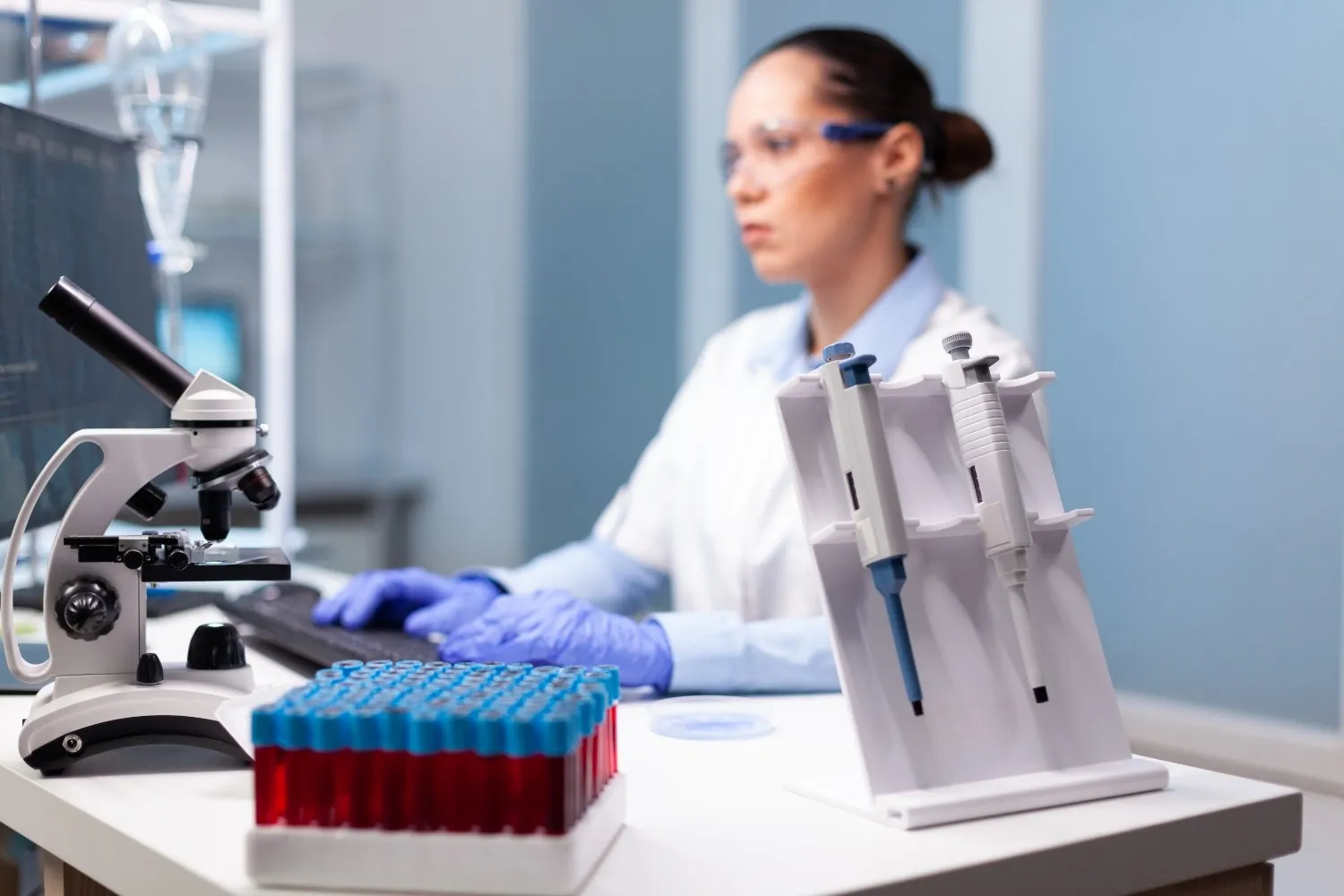

Walking into a clinical lab in Trinity, FL for the first time can feel a little uncertain. You might not know how long things will take, what the process looks like, or whether you need to prepare ahead of time. That uncertainty is completely normal, and it usually fades once you understand what actually happens behind those doors.
Clinical labs handle a wide range of diagnostic testing, from routine blood work to more specialized screenings. Whether your doctor ordered a specific panel or you are visiting a walk-in lab in Trinity, FL on your own, the experience tends to follow a predictable pattern. Knowing what to expect helps you feel more comfortable and makes the whole visit smoother.
This guide walks through every stage of a typical clinical lab visit so you can show up prepared and confident.
Why People Visit a Clinical Lab in Trinity, FL
Most lab visits are driven by a physician's order. Your doctor may want to check cholesterol levels, blood sugar, thyroid function, hormone levels, or markers related to inflammation and infection. Routine wellness panels are one of the most common reasons people walk through the door.
But not every visit starts with a referral. Some people visit a walk-in lab in Trinity, FL because they want proactive health monitoring. Drug screenings for employment, pre-surgical blood work, and STD testing are also frequent reasons.
Regardless of the reason, clinical labs exist to provide accurate, timely diagnostic information that helps guide medical decisions.
How to Prepare Before Your Lab Visit
Preparation depends on the type of test being performed. Some tests require fasting for 8 to 12 hours beforehand, while others have no preparation at all. Your doctor or the lab itself should give you clear instructions when you schedule the appointment.
Common Preparation Steps
Here are a few things to keep in mind before your visit:
- Confirm whether fasting is required (common for glucose and lipid panels)
- Drink plenty of water unless told otherwise, as hydration makes blood draws easier
- Bring a valid photo ID and your insurance card
- Have your doctor's order or requisition form ready if one was provided
- Write down any medications or supplements you currently take, since some can affect results
Showing up prepared can cut down your wait time and reduce the chance of needing a repeat visit.
What Happens During the Check-In Process
When you arrive at the lab, you will typically check in at the front desk. Staff will verify your identity, confirm the tests being ordered, and collect your insurance information if applicable.
If the lab accepts walk-ins, you may fill out a brief intake form covering your medical history and the reason for your visit. Most facilities have moved to digital intake, so the process tends to be quick. From check-in to being called back, wait times at many labs range from just a few minutes to about 20 minutes, depending on how busy the facility is.
What to Expect During the Sample Collection
The most common procedure at a clinical lab is a blood draw, also known as venipuncture. A trained phlebotomist will locate a vein, usually in your inner arm, clean the area, and draw the required number of tubes. The entire process typically takes under five minutes.
For those who are nervous about needles, it helps to look away, take slow breaths, and stay hydrated beforehand. The discomfort is minimal and brief. If you are visiting a clinical lab services in Trinity, FL location for a different type of test, the collection process might involve a urine sample, a throat swab, or another non-invasive method.
Types of Samples Commonly Collected
- Blood samples for metabolic panels, CBC, hormone levels, and more
- Urine samples for drug screenings, kidney function, and urinalysis
- Swab samples for strep, flu, COVID, and certain infections
- Saliva samples for hormone testing or genetic screening
Each type has its own handling protocol to ensure accuracy.
How Long Does It Take to Get Results?
Turnaround time varies depending on the test. Many standard blood panels produce results within 24 to 48 hours. More specialized tests, like certain hormone panels or genetic markers, can take anywhere from three days to two weeks.
Most labs offer a patient portal where you can view your results online as soon as they are ready. Your physician will also receive a copy and can help interpret anything that falls outside normal ranges. If you see a flag on your results, do not panic. Slightly out-of-range values are common and do not always indicate a problem.
Tips for a Smooth Clinical Lab Experience
A few small steps can make a big difference in how your visit goes:
- Schedule early morning appointments if fasting is required, so you are not waiting all day to eat
- Wear a short-sleeved shirt or one with sleeves that roll up easily
- Ask questions if anything is unclear, including what the test measures and when results will arrive
- Keep copies of your lab orders and results for your personal health records
- Follow up with your healthcare provider to discuss any results that need attention
Being an active participant in the process leads to better outcomes and helps you stay on top of your health.
Visiting a clinical lab in Trinity, FL does not have to be stressful or confusing. The process is straightforward: check in, provide a sample, and wait for your results. Most visits are over in under 30 minutes.
Whether you are going in for a routine wellness panel or a specific diagnostic test, preparation and a basic understanding of the process go a long way. Staying informed about your own health is one of the most valuable things you can do, and regular lab work is a key part of that.
Frequently Asked Questions
1. Do I need to fast before a clinical lab visit?
Fasting for 8 to 12 hours is required for certain tests like glucose and lipid panels, but many other lab tests do not require fasting at all.
2. How long does a typical clinical lab visit take?
Most clinical lab visits, including check-in and sample collection, are completed in under 30 minutes.
3. How quickly will I get my lab results back?
Standard blood work results are usually available within 24 to 48 hours, while specialized tests may take several days to two weeks.



























Sign in to leave a comment.