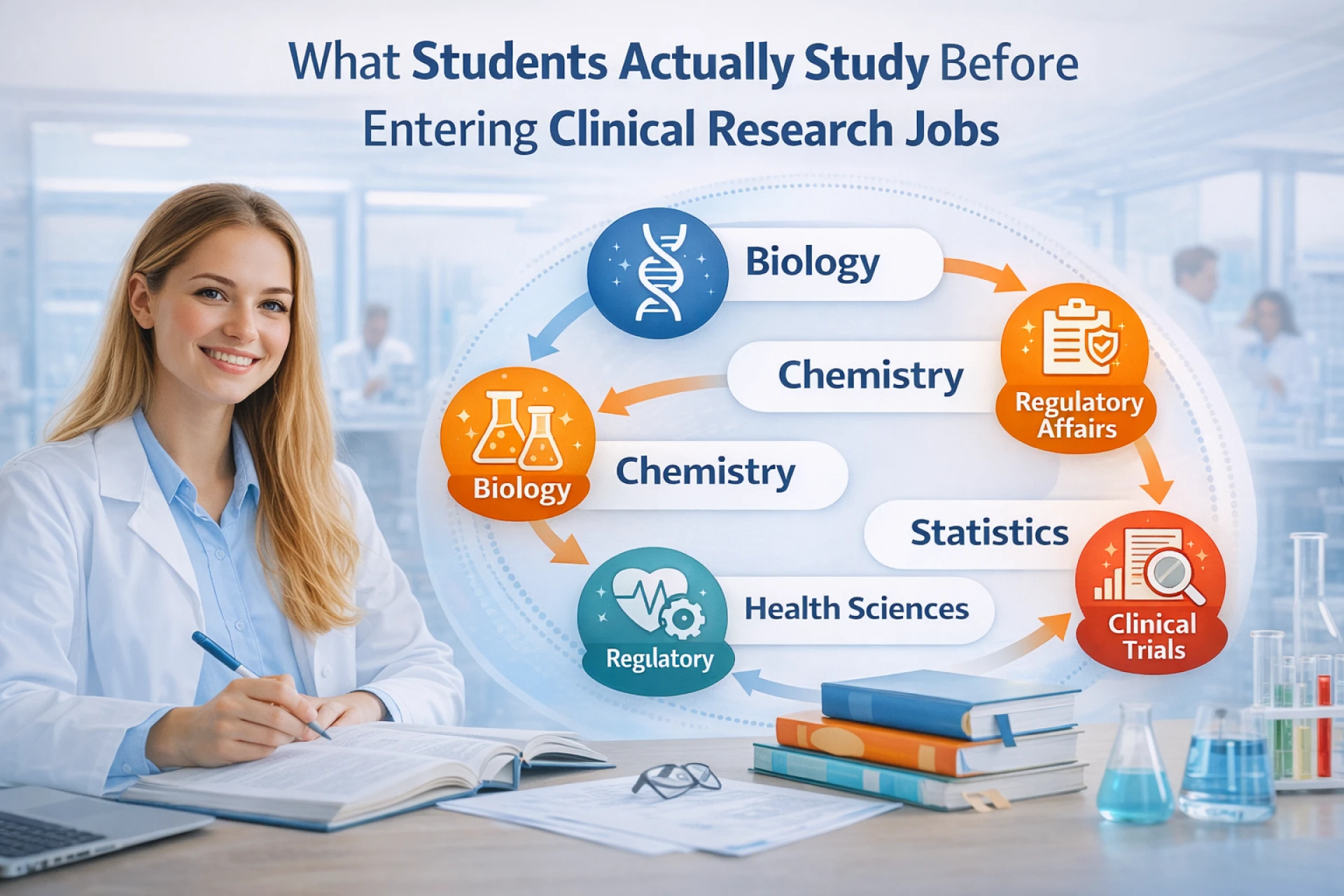

When you look at the fast paced world of medicine, it is easy to focus only on the doctors and nurses at the bedside however, behind every new life saving drug or medical device is a dedicated team of professionals who ensured it was safe for public use. If you are a student looking to enter this field you quickly realize that a background in biology or pharmacy is just the starting point. Most successful candidates choose to enroll in a dedicated clinical research course in India to bridge the gap between academic theory and the high stakes reality of human trials. This specialized education focuses on the how to of research teaching students how to design a study, manage complex data and adhere to strict international ethical standards.
But what does a student actually spend their time studying before they get hired? It is not just memorizing scientific formulas the curriculum is surprisingly diverse, blending legal knowledge, management skills and technical data training.
The Foundation: Ethics and Guidelines
The first thing any aspiring researcher learns is that in this industry, the patients safety comes before the data students spend a significant amount of time studying the ICH-GCP guidelines. This is the bible of the industry. It outlines exactly how trials must be conducted to protect human rights and ensure that the results are credible. Understanding the role of the Institutional Review Board (IRB) and the process of informed consent is non negotiable.
Clinical Trial Phases and Design
Before stepping into a professional role, students must understand the journey of a drug from the lab to the pharmacy shelf this involves studying the four distinct phases of clinical trials:
Phase I: Testing safety on a small group of healthy volunteers.
Phase II:Evaluating effectiveness and side effects on a larger group.
Phase III: Confirming findings in large-scale, diverse populations.
Phase IV: Post-marketing surveillance to track long-term effects students learn how to read a study protocol, which is the instruction manual for a trial. They study how to identify the inclusion and exclusion criteria the specific rules for who can and cannot participate in a study.
Regulatory Affairs
Clinical research is one of the most heavily regulated industries in the world students must study the specific laws of the country where they intend to work, such as the FDA in the United States or the CDSCO in India. They learn how to file applications for new drug discoveries (NDAs) and how to maintain the trial master file, a massive collection of documents that proves every step of the research followed the law.
Pharmacovigilance and Drug Safety
Safety does not stop once a trial begins students learn the science of Pharmacovigilance, which is the practice of monitoring, detecting and preventing adverse effects. They study how to classify serious adverse events (SAEs) and the strict timelines required to report these events to regulatory authorities. This part of the study requires immense attention to detail as missing a single safety report can halt an entire global study.
Data Management and Biostatistics
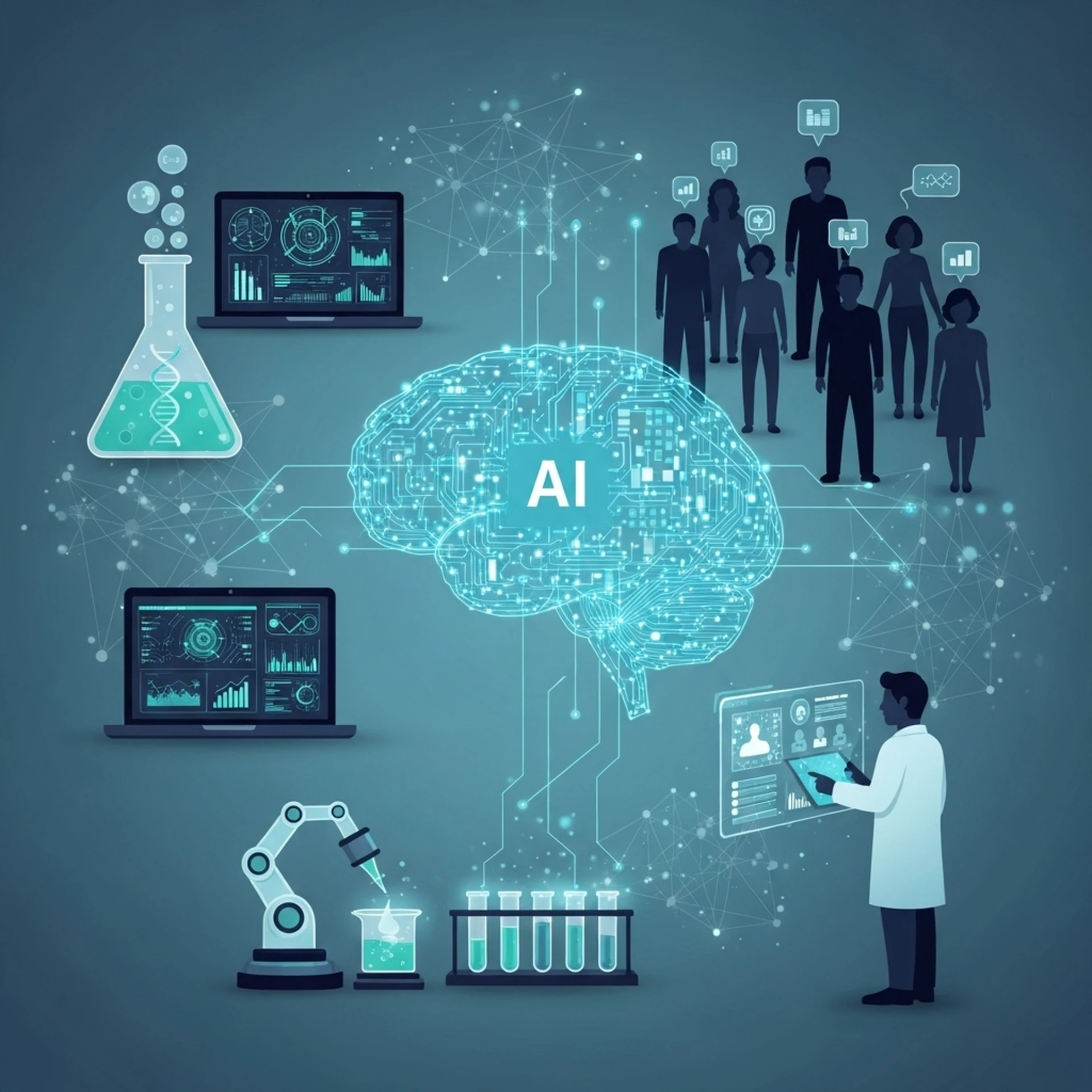
Modern research is driven by digital data students are trained on electronic data capture (EDC) systems, which are the specialized databases used to record patient results. They do not need to be master mathematicians, but they do need to understand biostatistics concepts like p-values, sample sizes and randomization this ensures they can tell the difference between a real medical breakthrough and a statistical fluke.
The goal of all this intense preparation is to secure a stable and rewarding clinical research job in a pharmaceutical company or a contract research organization (CRO). Employers in this sector rarely hire based on a general degree alone they look for candidates who already understand the SOPs (Standard Operating Procedures) and will not need months of basic training. Whether the role is a clinical research associate (CRA) who travels to different hospitals to check on trials or a Clinical Research Coordinator (CRC) who works directly with patients, the academic foundation remains the same.
The soft skills that matter
Beyond the textbooks, students are taught how to communicate in a professional setting, a researcher must talk to doctors (investigators), nervous patients and government auditors. Studying how to manage these relationships, stay organized under tight deadlines and maintain quality control over thousands of data points is just as important as knowing the science.
Moving from the Classroom to the Office
The final hurdle for most students is gaining hands on experience this is where the concept of a clinical research placement becomes vital many top-tier training programs partner with hospitals and biotech firms to offer internships. During these placements, students get to shadow experienced monitors, help with source data verification and see how a real clinical site operates. This real world exposure is often the gold ticket that turns a student into a professional, providing the confidence and the network needed to launch a long-term career.






















Sign in to leave a comment.