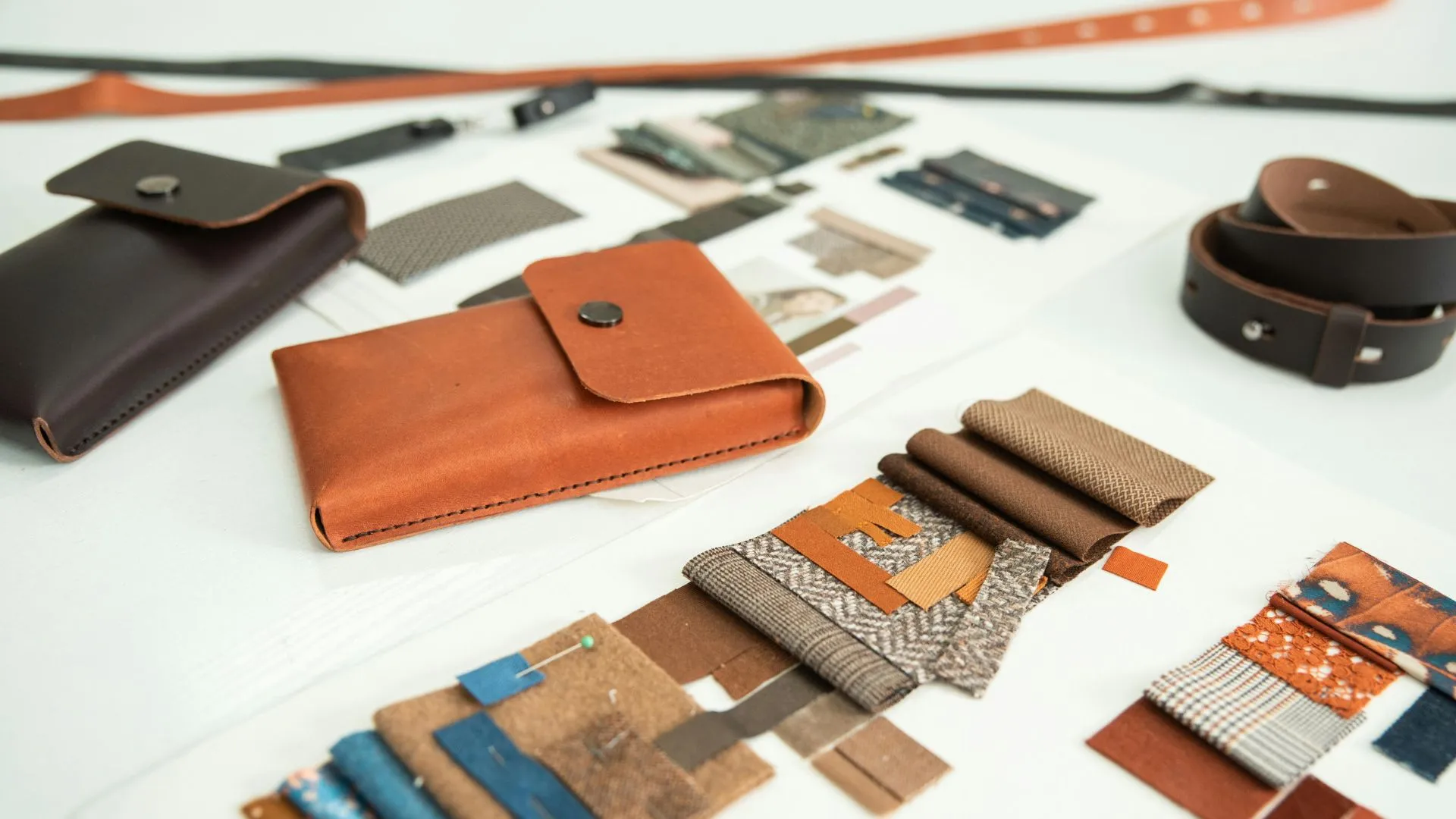


Approving a leather goods sample is an important step before moving into bulk production. A sample allows buyers to assess a product’s quality, functionality and finish before committing to a larger order. Overlooking issues at this stage can lead to inconsistent products, delays, additional costs or customer complaints.
Whether you are developing a private-label wallet, handbag, belt or corporate gift, a structured sample review helps ensure the final product meets your expectations. Here are the key areas to check before giving approval.
1. Check the leather quality and material specifications
Start by checking whether the leather matches the specifications agreed with the manufacturer. Leather can vary in texture, grain, thickness, softness and appearance, so the sample should reflect the material you intend to use in production.
Look for:
- Consistent texture and colour across the product.
- The expected thickness, flexibility and feel.
- Any visible scars, blemishes or surface defects.
- A finish that matches the approved design, whether matte, smooth, textured or polished.
If the product uses a specific leather type or finish, confirm that it has been used in the sample. For products made with synthetic or alternative materials, check those against the agreed specification too.
2. Inspect stitching and construction
Stitching has a direct impact on both the appearance and durability of leather goods. Examine the seams carefully, particularly around handles, pockets, corners, card slots and other areas that may experience regular use.
Check whether the stitches are even, straight and secure. Loose threads, uneven spacing, skipped stitches or visibly weak seams should be addressed before approval.
Also inspect how the different components have been assembled. For example, a wallet should open and close neatly, while a bag should have securely attached handles and properly finished edges.
3. Verify dimensions and functionality
A sample may look attractive but still fail to meet the practical needs of its intended users. Measure the product and compare it with the approved technical drawing or specification sheet.
For a wallet, check whether cards and cash fit comfortably. For a handbag, assess the capacity, pocket placement and ease of access. For a belt, confirm the length, width and hole spacing.
Test all functional components, including:
- Zips and closures.
- Buttons, buckles and magnetic fasteners.
- Card slots and compartments.
- Handles, straps and adjustable fittings.
Make sure each component operates smoothly without sticking, excessive force or unwanted movement.
4. Review colour, finish and branding
The sample should represent the intended appearance of the finished product. Compare its colour and finish with the approved reference, while considering that lighting and screens can affect how colours appear.
If the product includes a logo, check its size, position, alignment and clarity. Whether the branding is embossed, debossed, printed or applied using another method, it should be clean and consistent with the agreed design.
Also review edge painting, lining, hardware colour and decorative details. These elements contribute to the overall presentation, particularly for premium accessories and branded corporate gifts.
5. Assess comfort and everyday usability
A product should work well in the situations for which it was designed. Try using the sample as a customer would.
For a wallet, consider whether it becomes too bulky when filled. For a bag, check whether the straps feel comfortable and whether the weight is distributed sensibly. For a passport holder or travel organiser, assess how easily important documents can be accessed.
This practical review can reveal problems that are difficult to identify from photographs or measurements alone.
6. Check packaging and presentation
Packaging is part of the product experience, especially when leather goods are intended for retail or corporate gifting.
Review whether the proposed packaging protects the item during storage and transport. Check the box, dust bag, labels, inserts and any custom branding against the agreed requirements.
If the goods will be shipped internationally or supplied to multiple retail locations, consider whether the packaging is suitable for handling, stacking and distribution.
7. Record changes before giving approval
Avoid relying only on verbal feedback. Create a clear record of any changes required, including photographs, measurements, reference samples and written instructions.
It can be useful to divide feedback into two categories:
- Must be corrected: issues affecting dimensions, materials, construction, functionality or agreed branding.
- Optional improvements: changes that could improve appearance or usability but are not essential to the specification.
Once the revised sample meets the requirements, confirm which version is approved and retain it as the reference for bulk production.
8. Confirm bulk production expectations
Sample approval should also include a discussion about how the approved product will be reproduced at scale. Ask the manufacturer how material consistency, workmanship and quality checks will be maintained across the order.
Clarify acceptable tolerances, inspection procedures, production timelines and how any proposed material substitutions will be handled. A sample approval should not be treated as permission to make unapproved changes later.
This is particularly relevant when developing custom or private-label products, where small differences in branding, dimensions or finishing can affect the consistency of the entire collection.
Final thoughts
Approving a leather goods sample involves more than checking whether the product looks good. Buyers should assess material quality, construction, measurements, functionality, branding and packaging, while documenting any required changes before bulk production begins.
A clear approval process helps reduce misunderstandings and gives both the buyer and manufacturer a shared quality reference. For businesses developing leather wallets, bags or customised accessories, working with experienced leather goods manufacturers can help support product quality, consistent bulk production and reliable customisation. Explore Walletsplus to learn more about leather goods manufacturing and custom product development.




















Sign in to leave a comment.