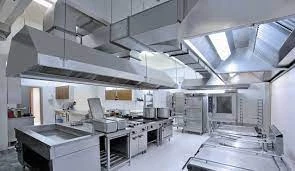

Boca Raton, Florida, is known for its vibrant culinary scene, with restaurants offering a diverse range of cuisines. If you're planning to open a restaurant in Boca Raton or renovate your existing one, one of the essential elements to consider is the restaurant hood system. A well-designed and properly functioning hood system is crucial for maintaining a safe and comfortable kitchen environment, complying with local regulations, and ensuring the quality of your food. In this comprehensive guide, we will delve into the key factors to consider when choosing a restaurant hood system in Boca Raton.
1. The Importance of a Restaurant Hood System
A restaurant hood system, also known as an exhaust hood or ventilation hood, is a critical component of any commercial kitchen. Its primary function is to remove heat, smoke, grease, and odors produced during cooking, ensuring a safe and comfortable environment for kitchen staff. Proper ventilation also helps maintain the quality of food by preventing the accumulation of cooking odors and grease on surfaces and ingredients.
2. Local Regulations and Codes
Before selecting a restaurant hood system, it's essential to familiarize yourself with the local regulations and codes that govern commercial kitchens in Boca Raton.
Boca Raton Building Codes
Boca Raton has specific building codes that pertain to restaurant hood systems. These codes dictate the size, type, and installation requirements for hoods and exhaust systems. Compliance with these codes is crucial to obtain the necessary permits and operate legally.
NFPA Standards
The National Fire Protection Association (NFPA) sets standards for fire safety, including those related to restaurant hood systems. NFPA 96, the Standard for Ventilation Control and Fire Protection of Commercial Cooking Operations, provides guidelines for the design, installation, and maintenance of kitchen ventilation systems.
Health Department Requirements
Local health departments in Boca Raton may have specific requirements related to kitchen ventilation and exhaust systems to ensure food safety and sanitation.
3. Types of Restaurant Hood Systems
There are three main types of restaurant hood systems, each designed for specific kitchen applications.
Type I Hood
Type I hoods are designed to remove heat, smoke, grease, and cooking odors produced by cooking appliances that produce grease-laden vapors. They are typically used over cooking equipment such as grills, fryers, and stovetops.
Type II Hood
Type II hoods, also known as condensate hoods, are designed to capture and remove steam, moisture, and heat generated by dishwashing equipment, steam tables, and other non-grease-producing appliances.
Type III Hood
Type III hoods are used in operations that produce heat, steam, and odors but do not involve cooking. They are commonly found in bakeries, coffee shops, and convenience stores.
Sizing Your Hood System
Properly sizing your restaurant hood system is crucial to ensure effective ventilation.
Calculating Airflow Requirements
The size of your hood is determined by the volume of air it can capture and exhaust. Calculating airflow requirements involves considering factors such as the type and quantity of cooking equipment, the layout of the kitchen, and local code requirements.
Ductwork and Exhaust Fan Sizing
The ductwork and exhaust fan should be appropriately sized to match the hood's airflow capacity. Inadequate ductwork or exhaust fans can lead to poor ventilation and increased energy consumption.
5. Fire Suppression Systems
Kitchen fire safety is a paramount concern when choosing a restaurant hood system.
Kitchen Fire Safety
Commercial kitchens are at risk of fires due to the presence of open flames, hot cooking surfaces, and grease-laden vapors. A fire suppression system is a critical component of kitchen safety and is often required by local regulations.
Automatic Fire Suppression Systems
Automatic fire suppression systems are designed to detect and suppress kitchen fires. They release fire suppressant agents, such as wet chemicals, to extinguish flames and prevent the spread of fire.
6. Choosing the Right Materials and Construction
The materials and construction of your restaurant hood system are essential for durability and safety.
Hood Material
Stainless steel is a common material used in restaurant hoods due to its durability, resistance to corrosion, and ease of cleaning. The thickness and quality of stainless steel should be considered to ensure longevity.
Construction Quality
The construction quality of the hood, including seams, joints, and welds, is crucial to prevent grease leakage and ensure efficient operation. Inspect the hood's construction to ensure it meets high-quality standards.
7. Maintenance and Cleaning
Regular maintenance and cleaning are vital to keep your restaurant hood system functioning effectively.
Regular Cleaning
Cleaning the hood, filters, and ductwork is essential to prevent the buildup of grease, which can pose fire hazards and reduce ventilation efficiency. Establish a regular cleaning schedule and ensure kitchen staff adhere to it.
Professional Maintenance
Schedule professional maintenance and inspections of your hood system to identify and address any issues promptly. Regular maintenance helps extend the lifespan of the system and ensures compliance with regulations.
8. Energy Efficiency and Sustainability
Consider energy-efficient features and sustainable materials when choosing a restaurant hood system.
Energy-Efficient Hoods
Energy-efficient hoods are designed to reduce energy consumption by optimizing fan speed and ventilation rates based on cooking activity. These hoods can lead to significant energy savings over time.
Sustainable Materials
Explore hood systems made from sustainable materials or those with recyclable components. Sustainable choices can contribute to your restaurant's overall environmental footprint reduction.
9. Installation and Compliance
Professional installation and compliance with local regulations are essential for the safe and legal operation of your restaurant hood system.
Professional Installation
Hire experienced professionals to install your restaurant hood system correctly. Improper installation can lead to safety hazards and compliance issues.
Compliance with Regulations
Ensure that your hood system complies with all local building codes, NFPA standards, health department requirements, and fire safety regulations.
10. Budget Considerations
Consider both initial costs and operating costs when budgeting for your restaurant hood system.
Initial Costs
Factor in the cost of purchasing and installing the hood system, as well as any necessary fire suppression equipment. Remember that investing in a high-quality system can pay off in terms of durability and safety.
Operating Costs
Consider the ongoing operating costs, including energy consumption, maintenance, and cleaning, when budgeting for your restaurant's operational expenses.
11. Warranty and Service
Select a restaurant hood system from a reputable manufacturer that offers a comprehensive warranty and reliable service and support.
Warranty Coverage
Review the warranty coverage for your hood system, including parts and labor. Understand the warranty's terms and conditions to ensure you can take advantage of it if needed.
Service and Support
Choose a manufacturer or vendor known for their responsive customer service and technical support. Having access to prompt assistance can be invaluable in case of issues or emergencies.
Conclusion
Choosing the right restaurant hood systems boca raton is a critical decision that impacts safety, compliance, and the overall efficiency of your kitchen. By considering local regulations, type of hood, sizing, fire suppression, materials, maintenance, energy efficiency, budget, and warranty, you can make an informed choice that contributes to the success and sustainability of your restaurant's operations.

























Sign in to leave a comment.