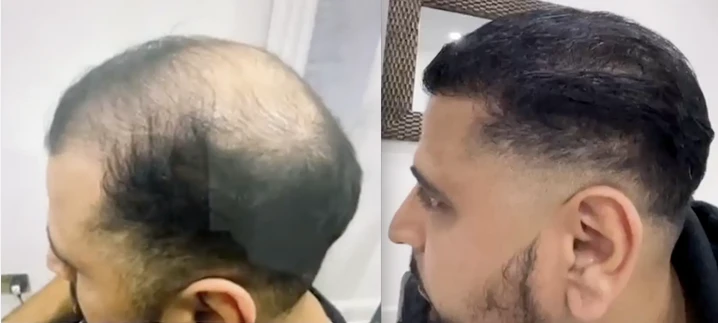

Hair loss is a common concern that affects millions of people worldwide. Whether it’s due to genetics, hormonal changes, or environmental factors, the impact on self-esteem can be significant. As a result, many individuals are turning to hair transplants as a viable solution. Understanding the timeline of what to expect before and after the procedure is crucial for anyone considering this transformative journey. In this article, we will delve deep into the various stages of hair transplants, shedding light on the process, recovery, and anticipated results.
Understanding Hair Transplants
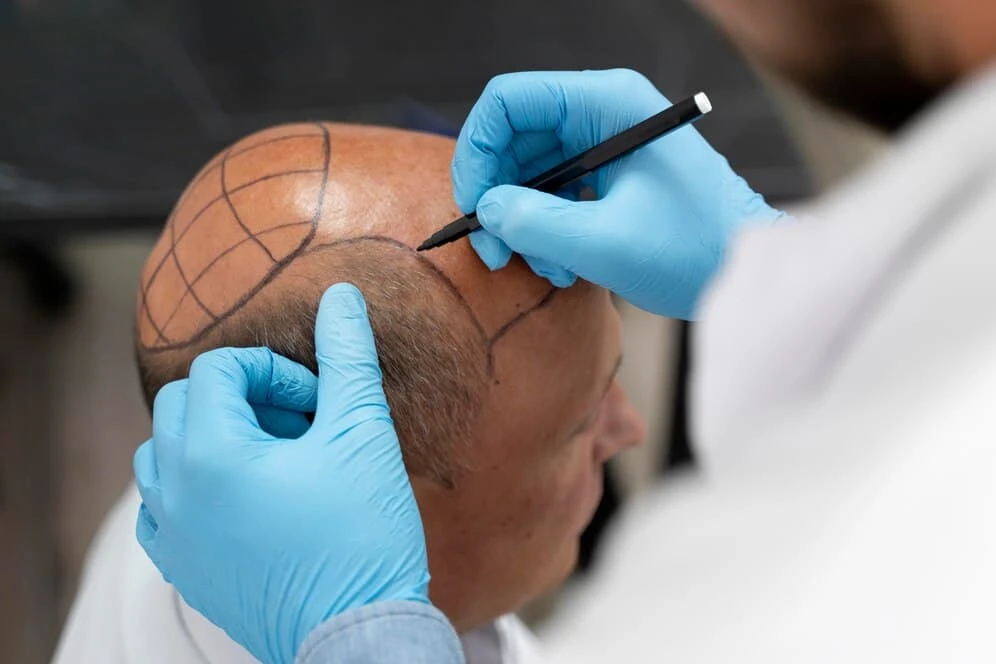
Before diving into the timeline, it’s essential to grasp what hair transplants entail. Essentially, a hair transplant is a surgical procedure that involves moving hair follicles from one part of the body, typically the back or sides of the scalp, to areas experiencing thinning or balding. There are primarily two techniques utilized: Follicular Unit Transplantation (FUT) and Follicular Unit Extraction (FUE). Both methods have their advantages, and the choice largely depends on individual circumstances and preferences.
The hair transplant procedure itself is relatively straightforward but requires careful consideration and planning. During the initial consultation, a qualified specialist will assess the extent of hair loss, discuss suitable options, and outline the expected timeline for recovery and growth. This step is crucial as it sets the foundation for expectations moving forward.
Pre-Procedure Preparations
In the weeks leading up to the hair transplant, there are several preparatory steps that individuals should undertake. First and foremost, it is vital to follow the pre-operative instructions provided by the surgeon. This may include avoiding blood thinners, such as aspirin, and refraining from smoking, as these factors can impede healing. Additionally, maintaining a healthy diet and staying hydrated can positively influence the body’s ability to recover post-surgery.
It is also important to have realistic expectations about the outcome. While hair transplants can significantly improve the appearance of thinning hair, the results may not be instantaneous. Understanding that the process involves several phases, with each phase requiring patience, is key to a successful experience.
The Day of the Procedure
On the day of the hair transplant, individuals will be welcomed into a clinical environment designed for comfort and efficiency. The procedure typically lasts between 4 to 8 hours, depending on the extent of the transplant. Local anesthesia is administered to minimize discomfort during the grafting process. Patients can listen to music, watch movies, or even take short naps as the skilled team works diligently on their behalf.
Post-procedure, individuals may experience mild discomfort, swelling, or redness in the treated areas. These are common side effects and usually subside within a few days. The medical team will provide detailed aftercare instructions, which are critical for ensuring optimal healing and growth.
Immediate Aftercare: Days 1-7
The first week following a hair transplant is crucial for recovery. During this period, it is essential to follow the aftercare instructions meticulously. Patients are typically advised to avoid strenuous activities, excessive sweating, and direct sunlight exposure. Additionally, refraining from touching or scratching the transplanted area is vital to prevent dislodging the newly grafted follicles.
In the days immediately following the procedure, scabbing may form around the transplanted hair follicles. This is a normal part of the healing process, and it is imperative not to pick at these scabs. Instead, gentle washing and care as advised by the medical team will aid in the healing process.
The Shedding Phase: Weeks 2-4
Around two to three weeks post-transplant, individuals may notice a phenomenon known as "shock loss." This temporary shedding of the transplanted hair can be alarming, but it is a completely normal part of the process. The hair follicles enter a resting phase before they begin to regrow. During this period, it is essential to remain patient and trust the process.
As the weeks progress, it is important to take note of any changes in the scalp's condition. If any unusual pain, excessive bleeding, or signs of infection occur, it is crucial to reach out to the medical team. Regular follow-ups can help ensure that everything is progressing as expected.
The Growth Phase: Months 1-6
By the end of the first month to the second month, individuals will start to see the early signs of new hair growth. Initially, the hair may appear thin and fine, but this is entirely normal. Over the next few months, the hair will gradually thicken and become more robust.
During this phase, maintaining a consistent hair care routine is essential. Using gentle, sulfate-free shampoos and avoiding harsh styling products can promote healthy hair growth. Regular follow-ups with the medical team can also provide reassurance and the opportunity to discuss any concerns.
The Final Results: Months 6-12
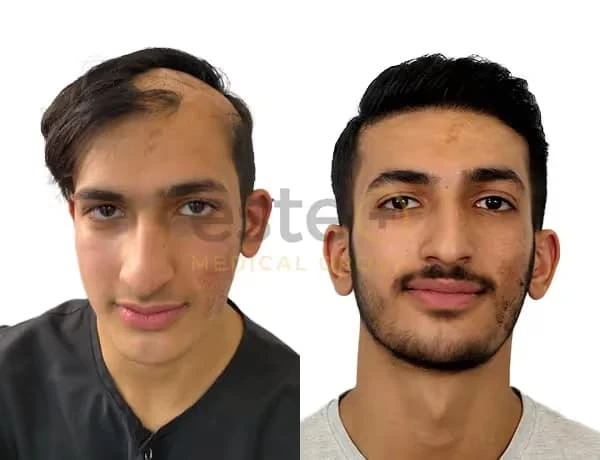
As individuals approach the six-month mark, the transformation becomes more evident. Most of the transplanted hair will have grown in, leading to a fuller appearance. However, it’s important to understand that final results may take up to a year to fully manifest. The hair will continue to mature and thicken, providing a natural look that blends seamlessly with existing hair.
During this time, individuals may also choose to explore additional hair care options, such as topical treatments or supplements, to support ongoing hair health. Consulting with the medical team can offer tailored advice based on individual needs.
Conclusion: Embracing Your New Look
In summary, understanding the timeline of hair transplants before and after is essential for anyone considering this life-changing procedure. From the initial consultation to the final results, each phase requires patience, care, and a positive mindset. With the right preparation and aftercare, individuals can look forward to a fuller head of hair and renewed self-confidence.
As you embark on this journey, remember that expert guidance is crucial. At Este Medical Group, we are dedicated to providing comprehensive support and care throughout your hair transplant experience. Contact us today to take the first step towards achieving the look you’ve always desired!






























Sign in to leave a comment.